This episode of The Jimmy Dore Show covers a significant legislative win regarding the 2026 Farm Bill and pesticide regulation. The hosts discuss the bipartisan effort to strip provisions that would have granted immunity from lawsuits to major pesticide manufacturers, such as Bayer (the producer of glyphosate), as well as other developments within the bill.
Key Highlights:
- Pesticide Immunity Stripped: Representative Anna Paulina Luna led a bipartisan amendment that successfully removed language from the Farm Bill which would have shielded companies like Bayer from state-level lawsuits regarding cancer-related health warnings (3:14-3:35, 7:42-8:00).
- Procedural Controversy: During the voice vote on the amendment, the chair declared the motion had failed despite no audible opposition, forcing Representative Luna to demand a recorded vote, which passed 280 to 142 (8:00-9:43).
- Foreign Ownership of Farmland: Representative Greg Steube introduced an amendment, which was adopted, to prevent foreign adversaries like China from purchasing American farmland (14:03-14:16, 15:23-16:03).
- The PRIME Act: Representative Thomas Massie succeeded in including his PRIME Act pilot in the Farm Bill, which aims to reduce federal regulations for small-scale, local meat processors, allowing them to sell directly to consumers without excessive USDA oversight (17:15-17:50).
- Criticism of RFK Jr.: Jimmy Dore and Kurt Metzger criticize Robert F. Kennedy Jr. for his recent comments on the Joe Rogan podcast, where he argued that farmers still require glyphosate due to costs, which the hosts describe as an reversal of his past stance as a legal crusader against the chemical (0:26-1:44).
Additional Context:
- The hosts discuss the broader implications of these legislative moves, specifically focusing on the perceived corruption in government and the influence of corporations on policy (4:32-5:32).
- The show also touches on personal anecdotes, including the hosts' views on marijuana, lifestyle, and the current political landscape (20:20-25:13).
Transcript
This video, hosted by Ben Meiselas of the MeidasTouch Network, reports on President Zelenskyy's assertive stance against both Donald Trump and Vladimir Putin at a recent emergency meeting of the European Political Community in Armenia.
Key Takeaways:
- Zelenskyy's Warning: President Zelenskyy has signaled a shift in strategy, warning that if the U.S. under Trump continues to weaken sanctions or delay support, Ukraine will independently ramp up its efforts to dismantle Russia's military and economic capabilities—specifically targeting its "shadow oil fleet" and military infrastructure (0:00-3:54).
- International Alliances: The summit in Yerevan, Armenia, highlights a growing movement where nations like Armenia are distancing themselves from Russian influence and seeking closer ties with Europe. This shift comes as leaders like Kaja Kallas (VP of the European Commission) argue that Europe must stop "begging" for dialogue and instead exert real pressure on Putin (3:54-7:27).
- The Battle for Territory: Zelenskyy firmly rejected the notion of territorial concessions, emphasizing that Ukraine's struggle is about protecting its people, homes, and history, not just land (7:27-8:42).
- U.S. Policy Criticism: The video features heated segments from U.S. Senate hearings where officials and lawmakers debate the "betrayal" of Ukraine by the Trump administration’s policies. Critics highlight the lack of funding for Ukraine in recent budgets and argue that the current path ignores the reality of the battlefield, where Ukraine has shown resilience and technological innovation through drone warfare (12:00-19:38).
How Pete Hegseth's Pentagon Shows 'Dangerous' Corruption
Rep. Jason Crow joins Joanna Coles to unpack the "stunning" new process of appointing senior military roles within the Pentagon that is no longer based on merit, performance, and experience. Click here to become an official member of the Daily Beast's YouTube community: https://youtube.com/@TheDailyBeast/join Have a question or comment for us? Send us an email: beastpod@thedailybeast.com The Daily Beast is committed to accurate, fair, independent, fast, and accountable journalism. We seek the truth and report it honestly, without fear or favor. We ground robust and provocative opinions in fact. Subscribe on YouTube: youtube.com/@TheDailyBeast?sub_confirmation=1 Follow us on Instagram: https://instagram.com/thedailybeast Share this video on BlueSky: https://bsky.app/profile/thedailybeast.bsky.social Share this video on X: https://twitter.com/thedailybeast Share this video on Facebook: https://facebook.com/thedailybeast
🇺🇸 CAMPAIGN POLICY PLATFORM
Transparency, Free Speech, and the Information Ecosystem
Prepared by Campaign Communications Team
Approved by Robert R. Motta
Headline
End the Black Box. Restore Transparency. Protect the American Voice.
Opening Statement
Americans today are asking a simple question:
Who decides what information we see—and why?
Recent public discussions, including analysis from commentators such as
Mike Benz, have raised concerns about the relationship between:
-
government agencies
-
nonprofit organizations
-
and technology platforms
These discussions highlight the need for clarity, transparency, and accountability.
Key Issues Raised in Public Debate
🧠 1. Pre-Event Coordination Concerns
Some analysts have pointed to reported policy discussions and simulations—such as those involving organizations like:
-
Aspen Institute
These discussions reportedly explored how institutions might respond to emerging information scenarios.
👉 Concern raised:
Whether such coordination influences how information is framed or labeled in real-world situations.
🌐 2. Role of NGOs and Public Funding
Organizations such as:
-
National Endowment for Democracy
have historically been involved in:
-
democracy promotion
-
international development
-
media and information initiatives
👉 Concern raised:
Whether publicly funded organizations play a role in shaping information policy beyond what the public sees.
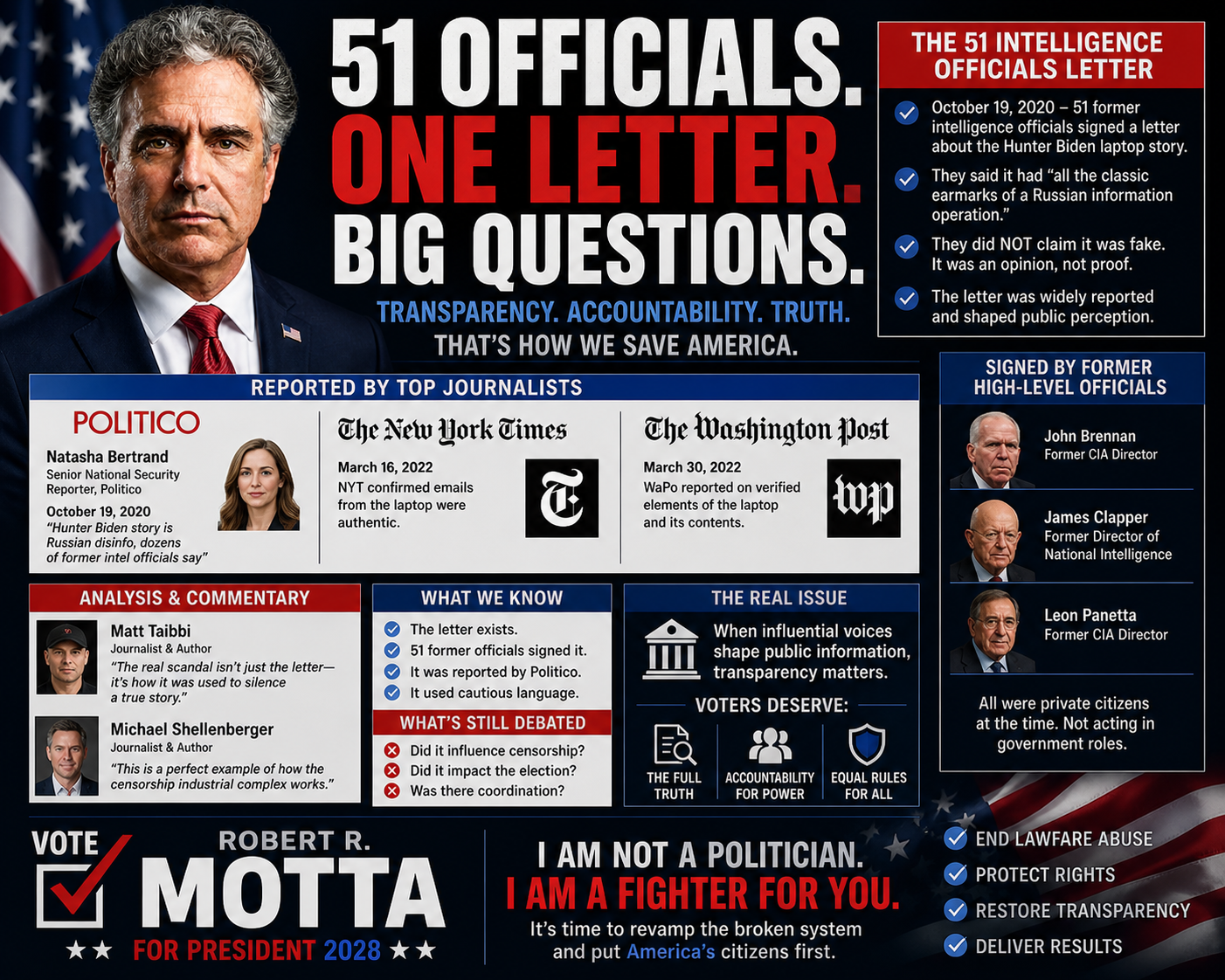
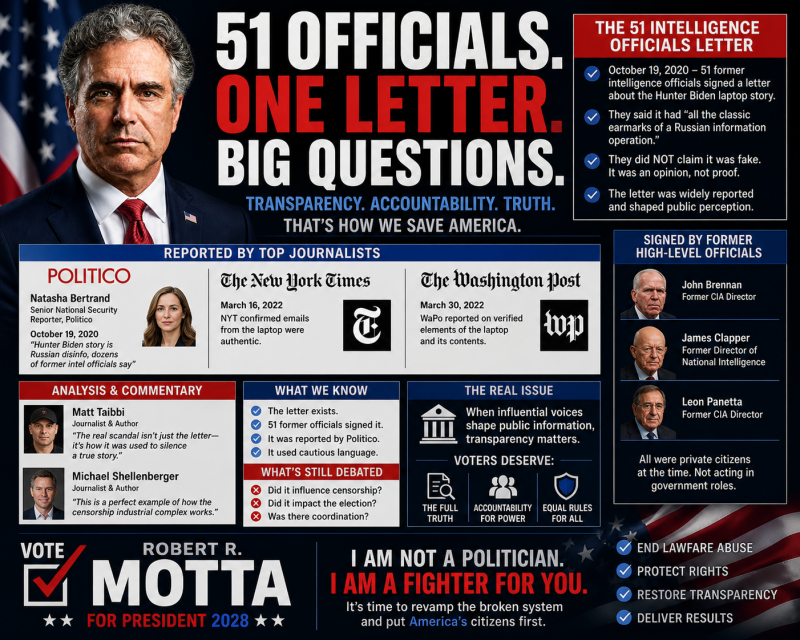
📄 3. The “51 Officials” Letter
As previously discussed:
-
51 former intelligence officials signed a public letter
-
It influenced how a major story was interpreted at the time
👉 Concern raised:
How statements from former officials impact:
-
media coverage
-
platform moderation
-
public perception
🌍 4. Foreign Policy and Information Narratives
Public discussions have also linked:
-
energy policy
-
Ukraine
-
international funding
to broader strategic goals.
👉 These claims remain debated, but they highlight a key issue:
How foreign policy and information narratives can intersect.
⚖️ Core Principle
This campaign does not claim:
-
that every concern is proven
-
or that every interpretation is correct
Instead, we state:
👉 When questions exist, transparency is required.
🛡️ POLICY PLATFORM
1. Government–Platform Transparency Act
Require disclosure of:
-
communications between federal agencies and social media companies
-
advisory relationships involving content moderation
2. Public Funding Disclosure Law
Mandate:
-
full reporting of taxpayer-funded grants
-
transparency in NGO involvement in information policy
3. Former Official Disclosure Standards
Require:
-
disclosure when former intelligence officials coordinate public statements
-
clear labeling of opinion vs verified intelligence
4. Free Speech Protection Framework
Ensure:
-
consistent application of platform rules
-
public explanation for major moderation actions
-
appeal rights for users
5. National Transparency Review Board
Create an independent body to:
-
review overlaps between government, NGOs, and platforms
-
publish findings publicly
-
restore trust through visibility
📢 CAMPAIGN MESSAGE (TO VOTERS)
🔴 Simple
“You don’t need to believe every claim.
But you deserve to see everything clearly.”
🧠 Stronger
“When government, nonprofits, and tech platforms intersect, the public must not be left in the dark.”
🔥 Signature Line
“Transparency is not optional. It is the foundation of trust.”
— Robert R. Motta
📊 SOCIAL MEDIA GRAPHIC TEXT (USE THIS)
TITLE:
WHO CONTROLS INFORMATION?
LEFT:
-
Government agencies
-
NGOs
-
Tech platforms
CENTER:
Where they intersect →
Transparency matters
RIGHT:
You deserve:
-
Full disclosure
-
Clear rules
-
Equal treatment
BOTTOM:
“Truth should not be filtered in the dark.”
This video from The Damage Report discusses the recent appointment of Melissa Isaak as a temporary immigration judge by the Trump administration. The hosts, John Iadarola and Sharon Reed, express significant concern regarding Isaak's public comments about women, specifically her recurring, derogatory remarks referring to some women as a "warm, wet hole" (0:15-0:50, 2:13-2:45).
Key points from the video include:
- Controversial Statements: Isaak has gained notoriety for promoting a view that divides women into "valuable assets to men" and those who offer nothing but sex. The hosts criticize her rhetoric as dehumanizing and inappropriate for someone in a position of judicial power (0:15-1:04, 4:02-4:27).
- Professional Background: The report highlights that Isaak, an Army veteran and private practice attorney, has no prior experience in immigration law (1:05-1:54). Her past legal work includes defending January 6th rioters and assisting Roy Moore in dismissing a defamation suit regarding sexual misconduct allegations (1:23-1:48).
- Critical Reception: Both Iadarola and Reed argue that these comments are particularly problematic given her role as an immigration judge, which involves making life-altering decisions for women and families (0:54-1:04, 3:20-3:50).
The segment concludes with the hosts questioning the qualifications and judgment of the administration's judicial appointees, emphasizing the impact that such perspectives can have on the legal system (3:19-4:27).
This video features a conversation between Mike Benz and Robert Gouveia, Esq. regarding the mechanics of the "censorship industrial complex," focusing on how federal agencies and NGOs have historically coordinated to suppress information, specifically referencing the Hunter Biden laptop story (0:00-0:20).
Key takeaways from the discussion:
- Pre-censorship coordination: Benz explains that the Aspen Institute conducted a simulation/tabletop exercise one month before the New York Post published the laptop story. This involved national security officials and social media platforms to coordinate labeling the potential disclosure as "Russian disinformation" (0:30-1:28).
- The role of NGOs and Intelligence: Benz describes organizations like the Aspen Institute and the National Endowment for Democracy (NED) as conduits for government and CIA influence, often using public funding to facilitate censorship or manipulate foreign and domestic political outcomes (1:48-2:44, 6:53-8:11).
- The "51 Spies" Letter: Benz discusses how former intelligence officials used the narrative of "Russian amplification" to justify suppressing speech, even when the content was authentic, and notes that there has been little to no accountability for those who signed the letter (3:42-4:39, 11:43-12:08).
- Geopolitics and Ukraine: The discussion highlights the connection between Hunter Biden’s board position at Burisma and broader strategic efforts to "de-Russify" Ukrainian energy, with Benz arguing that U.S. foreign policy and funding (often via USAID) were used to secure Western interests in the region (14:12-19:50).
- The need for transparency: Benz argues that the "solution" to these issues is mass transparency. He expresses frustration with the current lack of accountability and suggests that without significant reform and disclosure of government-funded grants, voter disenchantment will continue to grow (20:25-24:26).
This video from The Damage Report explores allegations of corruption involving the GEO Group, a major private prison operator, and its $1 million donation to a Donald Trump-aligned fund (MAGA, Inc.) (0:33–0:45).
Key Points:
- Suspicious Timing: The donation was recorded on March 9, the same day it was reported that the Trump administration had frozen the company out of $426 million in new ICE contracts (0:57–1:12).
- The Allegation: Critics speculate the donation may be a "pay-to-play" attempt to secure future contracts or to influence DHS officials who were reportedly pressuring the company to reduce prices on existing contracts by 15% (1:21–2:05).
- Legal Concerns: While federal law generally bars government contractors from donating directly to federal candidates or Super PACs, the segment details how companies often use subsidiaries—like GEO Reentry Services LLC—to circumvent these rules (3:17–3:31).
- Historical Pattern: The video notes that this is not an isolated incident, as GEO Group executives have a history of donating to Trump's campaigns and inaugural funds, which the host argues has historically been followed by the receipt of lucrative government contracts (4:13–4:30).
This video from The Damage Report discusses the controversy surrounding Julia Varvaro, a former Department of Homeland Security (DHS) official who was placed on administrative leave following reports that she maintained a profile on a "sugar daddy" website.
Key takeaways from the report:
- Sexual Harassment Allegations: Before her ousting, Varvaro had filed a sexual harassment complaint against her superior, Paul Ingrassia. She reportedly rescinded the complaint out of fear of retaliation (0:58-1:09).
- Conduct of Paul Ingrassia: The video highlights that Ingrassia had previously described himself as having a "Nazi streak" in leaked messages (0:35-0:42). Furthermore, he is accused of forcing Varvaro to share a hotel room with him during a work trip by cancelling her individual reservation (2:16-2:27).
- Workplace Inequity: Despite the allegations against Ingrassia, the video notes that he was later nominated for a position in the Office of Special Counsel (1:34-1:40) and subsequently received a new role as deputy general counsel at the GSA (3:49-3:54).
- Double Standards: The host, John Iadarola, argues that there is a stark double standard at play, where Varvaro was ousted for her alleged personal life, while Ingrassia continued to be promoted despite serious allegations regarding his professional conduct and his own revealed character (4:23-4:47).
This video, created by Luke Beasley, examines public perceptions of Melania Trump by revisiting a resurfaced interview and contrasting it with current narratives surrounding her image.
Key Discussion Points:
- Challenging the 'Poor Melania' Narrative: The host addresses a common argument that Melania Trump is a victim trapped in an unhappy marriage who dislikes being in the public eye (1:13-2:55). He argues against this view by presenting evidence that she is an active participant in her husband's political rhetoric.
- Resurfaced Interview on Birtherism: The central piece of evidence is a vintage interview with Joy Behar (2:57-5:12). In the clip, Melania Trump defends her husband’s persistent demands to see Barack Obama's birth certificate, echoing his arguments and dismissing criticisms from the media (4:37-5:12).
- Holding Adults Accountable: Luke Beasley contends that this footage demonstrates Melania Trump was willing to participate in and defend racially charged political attacks (5:20-5:53). He concludes that the public should hold her responsible for her political choices, similar to how other political spouses are judged, rather than assuming she is merely a passive observer in her husband's activities (6:12-8:07).
- Promotional Content: The video also briefly touches on Melania Trump’s current promotional activities for her memoir (0:21-1:02) and concludes with an advertisement for the host's own election-themed merchandise (8:08-8:46).
This video features John Fugelsang discussing various political issues and controversies, with a strong focus on criticizing the Republican party and conservative figures.
Key topics discussed so far (0:00 - 0:38):
- Redistricting and Voting Rights: Fugelsang characterizes recent redistricting efforts as "racist photoshop" and an "Instagram filter for democracy," arguing that it is being used to disenfranchise black and brown voters (0:00 - 0:07, 1:36 - 2:07).
- Erika Kirk: He references a controversy involving Erika Kirk and discusses her personal tragedy in the context of gun violence and political rhetoric (0:22 - 0:52).
- Turning Point USA: He criticizes the organization Turning Point USA, alleging that they promote the dehumanization of marginalized groups and do not align with the teachings of Jesus Christ (0:52 - 1:24).
Highlights for later:
- The discussion continues to cover topics such as Pete Hegseth (3:52 - 4:08, 7:20 - 8:05), the ongoing war in the Middle East, foreign policy regarding Ukraine and Russia (7:32 - 8:43), and the importance of the midterm elections for the future of American democracy (5:45 - 6:30).
This video, presented by Chris Mowrey on the Adam Mockler channel, addresses the recent arrest of a prominent MAGA influencer, Craig Long, in connection with a human trafficking and prostitution sting in Florida (1:31-2:37). The video highlights the following key points:
- Hypocrisy in the Movement: The host draws a connection between figures who loudly advocate for "protecting children" and the subsequent involvement of some of these individuals in heinous crimes against minors (0:31-0:47, 4:39-4:47).
- January 6th Connections: The video mentions that Long was arrested alongside Ryan Yates, a Trump supporter who previously pleaded guilty for his involvement in the January 6th Capitol attack (2:49-2:57).
- Pattern of Behavior: Mowrey points to other instances, such as the case of Robert Morris, Trump’s former spiritual adviser, who recently served jail time for molesting a minor (3:35-4:34), and another influencer indicted for producing illegal materials involving children (4:47-5:18).
- The Epstein Files: The host urges viewers not to lose focus on the Jeffrey Epstein case, questioning why Donald Trump will not release relevant files and suggesting that the media often allows this story to be overshadowed by other political events (0:41-0:58, 6:18-7:28).
Coming up later in the video:
- The host shifts to criticizing Donald Trump’s performance and behavior, including his recent social media posts regarding Iran and his administration's overall handling of global crises (7:46-10:23).
This video features Shaun Attwood interviewing Justin Shepherd from the channel @justinthenickofcrime to discuss the recently released Epstein files and their broader implications. The conversation focuses on the lack of accountability, the involvement of powerful figures, and the persistent mysteries surrounding the case.
Key discussion points include:
- The Epstein Files: The speakers address the release of documents (0:37) and express frustration that only a small percentage has been made public, leading to concerns about a cover-up (1:13, 1:07:22).
- Prince Andrew and the Royal Family: They discuss the recent developments regarding Prince Andrew in the UK, including his arrest and the media impact of the imagery surrounding it (0:20, 3:55-5:31, 1:13:38).
- High-Profile Connections: The interview touches upon the involvement or proximity of various wealthy and powerful individuals to Jeffrey Epstein, including Les Wexner (13:35-15:42), Bill Gates (30:32-31:20), Elon Musk (33:30-34:40), and Peter Thiel (46:46-48:00).
- Systemic Issues and Accountability: Justin Shepherd shares his view that the Department of Justice (DOJ) has failed to provide transparency or investigate further, leaving the public feeling hopeless (17:37, 40:42, 57:29). They also discuss the potential for further investigations in other countries (24:16-25:17, 1:13:38).
- The New Mexico Ranch: The conversation covers the dark allegations surrounding the ranch, including potential evidence of ritualistic abuse and the possibility of buried bodies (10:03-12:05, 1:04:12).
Conclusion: The speakers emphasize the importance of continued public scrutiny and the need for accountability despite the massive power structures shielding those involved (1:24:24).
This video, created by Thabo & Ray: Cop Watch, details the ongoing scandal involving former Charleston County Magistrate Judge James Gosnell Jr., who has been indicted on federal charges related to child sexual abuse material.
Key points covered in the video:
- The Indictment: Gosnell was indicted by a federal grand jury on multiple charges, including the possession, receipt, and distribution of child sexual abuse materials (3:50-4:15).
- Graphic Allegations: The video discusses court documents describing Gosnell's alleged confessions regarding the abuse of infants and toddlers, including international travel for these purposes (13:52-14:15, 17:00-17:25).
- Judicial Misconduct & Corruption: The creator uses this case to highlight broader concerns about a "god complex" among some members of the judiciary and the systemic issues that may allow corrupt judges to remain in positions of power for years (1:40-2:15, 18:25-19:55).
- Public and Political Response: Representative Nancy Mace is featured for her public presence at the courthouse, emphasizing the importance of protecting the rights of victims who often feel overlooked by the legal system (7:16-8:35, 12:13-12:52).
- Skepticism of the Justice System: The creator expresses a deep lack of faith in the judicial system's ability to hold its own members accountable, pointing to the defense attorney's efforts to characterize the behavior as an "isolated incident" as a strategy to secure a lenient sentence (14:19-14:50, 27:35-28:02).
The video serves as a critique of judicial power and argues for greater transparency and accountability, urging viewers to "not let the black robe fool you" (1:40, 28:16).
Transcript
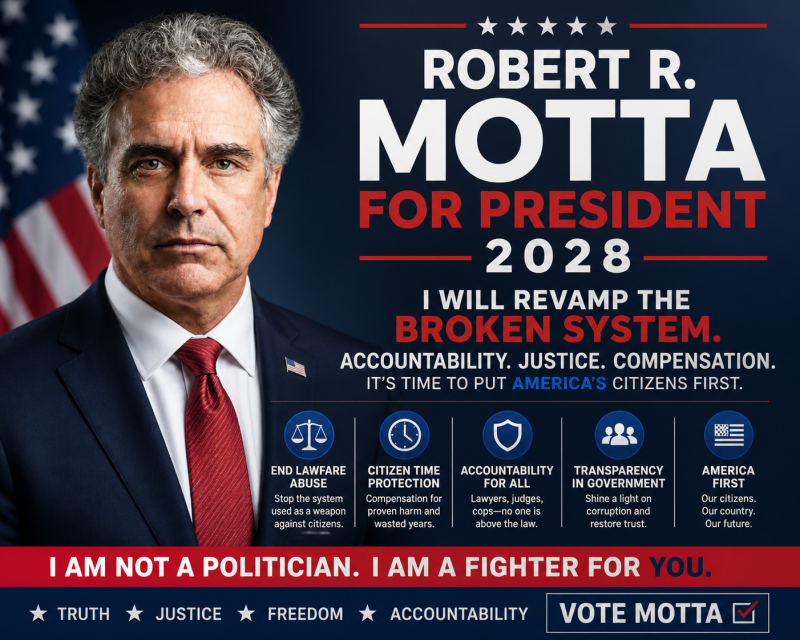
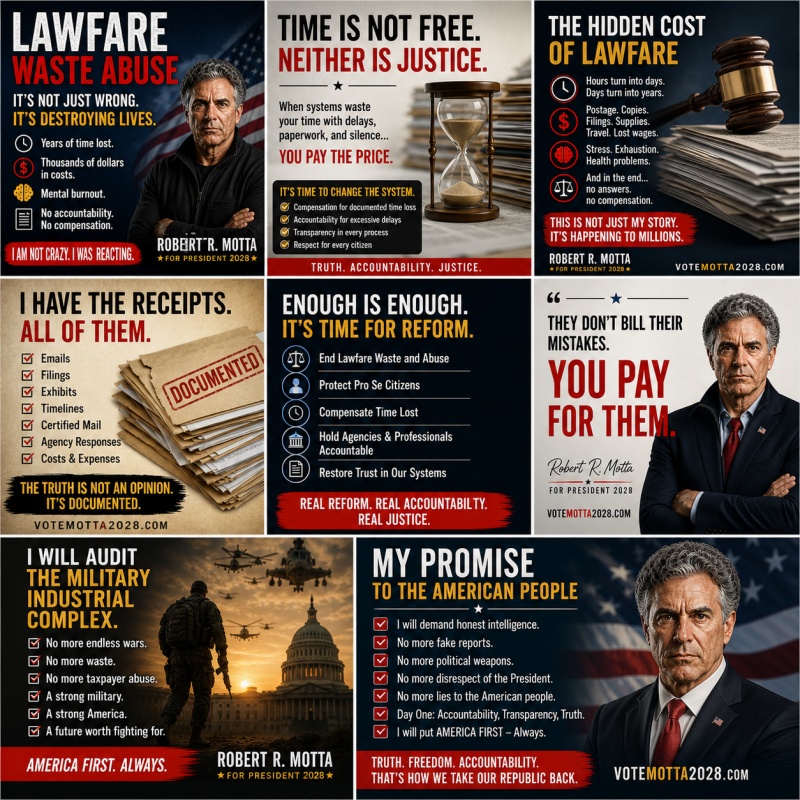
Legislative Proposal – Citizen Time Protection and Accountability Act
(ROBERT R. MOTTA)
Subject: Legislative Proposal – Citizen Time Protection and Accountability Act
Dear Congresswoman Underwood,
My name is Robert R. Motta, and I am a resident of Joliet, Illinois.
I am writing to you directly to share my experience and to respectfully submit a legislative proposal that I believe addresses a serious gap affecting many citizens.
Over the past several years, I have personally navigated prolonged legal and administrative processes that required extensive time, documentation, and continuous effort. Much of this work was done without effective legal representation, requiring me to proceed on my own while managing financial pressure and ongoing health challenges.
During this time, I was responsible for:
-
drafting detailed documents and exhibits,
-
submitting formal complaints,
-
tracking timelines and responses,
-
sending certified correspondence,
-
and repeatedly following up with agencies.
This process became a full-time responsibility, requiring significant time and energy with no compensation for the work involved.
Through this experience, I came to understand that there is currently no mechanism to compensate citizens for documented time lost due to administrative burden, delays, or unresolved proceedings. While professionals within these systems are compensated, the citizen is left to absorb the cost in time, money, and personal impact.
As your constituent at:
716 Tana Lane
Joliet, Illinois 60435
I respectfully bring this issue to your attention.
To address this gap, I have prepared a draft bill titled:
“Citizen Time Protection and Accountability Act of 2026.”
This proposal is intended to:
-
reduce excessive administrative burden,
-
improve accountability for delays,
-
protect individuals who are required to proceed without representation,
-
and establish a framework for compensation based on documented time loss.
My goal is not only to share my own experience, but to advocate for a solution that may help others who are navigating similar challenges.
I would greatly appreciate the opportunity for your office to review this proposal and provide any guidance on potential next steps.
I am also willing to provide documentation and a detailed timeline of my experience if that would assist your review.
Thank you for your time, consideration, and service to our community.
Respectfully,
Robert R. Motta
Joliet, Illinois
🇺🇸 DRAFT BILL – FEDERAL LEGISLATION
Title
Citizen Time Protection and Accountability Act of 2026
Section 1. Short Title
This Act may be cited as the
“Citizen Time Protection and Accountability Act.”
Section 2. Findings and Purpose
(a) Findings
Congress finds that:
-
Citizens involved in legal, administrative, and regulatory processes often experience prolonged delays, excessive procedural burdens, and lack of timely resolution.
-
Individuals are frequently required to:
-
prepare extensive documentation,
-
respond to repeated requests,
-
navigate complex systems without representation,
-
and dedicate significant unpaid time to administrative compliance.
-
-
These burdens may result in:
-
financial hardship,
-
loss of income,
-
health impacts,
-
and reduced ability to participate in the workforce.
-
-
There is currently no consistent mechanism to compensate citizens for time lost due to excessive administrative burden or systemic delay.
(b) Purpose
The purpose of this Act is to:
-
Protect citizens from excessive administrative burden
-
Establish accountability for prolonged delays
-
Provide compensation mechanisms for documented time loss
-
Improve transparency and efficiency in legal and regulatory systems
Section 3. Definitions
For purposes of this Act:
(1) “Administrative Burden”
Means time and effort required by a citizen to comply with legal, regulatory, or agency processes.
(2) “Excessive Delay”
Means failure of an agency or regulated process to respond within established timelines without justified cause.
(3) “Pro Se Individual”
Means a person representing themselves without legal counsel.
(4) “Documented Time Loss”
Means verifiable hours spent on required filings, responses, communications, and procedural compliance.
Section 4. Citizen Time Compensation Program
(a) Establishment
A federal program shall be created to provide compensation to individuals who demonstrate:
-
documented administrative burden
-
excessive delays
-
prolonged unresolved proceedings
(b) Eligibility
An individual may qualify if:
-
They have spent significant documented time responding to legal or administrative processes;
-
They were required to proceed without effective representation (pro se);
-
The matter remained unresolved beyond reasonable time standards;
-
They can provide records including:
-
correspondence
-
filings
-
timelines
-
proof of submission
-
(c) Compensation Structure
Compensation may include:
-
hourly reimbursement (based on federal administrative rate benchmarks)
-
reimbursement for:
-
postage
-
filing costs
-
document preparation expenses
-
Section 5. Accountability Measures
(a) Agency Reporting
Federal and federally regulated entities must:
-
track response times
-
document delays
-
publish annual reports on unresolved cases
(b) Penalties for Excessive Delay
Agencies or regulated entities found to cause repeated excessive delay may be subject to:
-
financial penalties
-
oversight review
-
corrective action requirements
Section 6. Pro Se Protection Measures
Special protections shall be implemented for individuals representing themselves, including:
-
simplified filing systems
-
mandatory response timelines
-
access to guidance resources
-
protections against procedural overload
Section 7. Oversight and Review
An independent review board shall:
-
evaluate claims for compensation
-
monitor systemic delays
-
recommend reforms
Section 8. Implementation
This Act shall take effect within 12 months of enactment.
📢 YOUR TALKING POINT (WHEN PRESENTING THIS)
Say this to a Congress office:
“This bill addresses a gap in the system.
When institutions delay or create excessive administrative burden, the citizen pays the cost—in time, money, and health.
There is currently no mechanism to compensate that.
This bill creates accountability and restores fairness.”
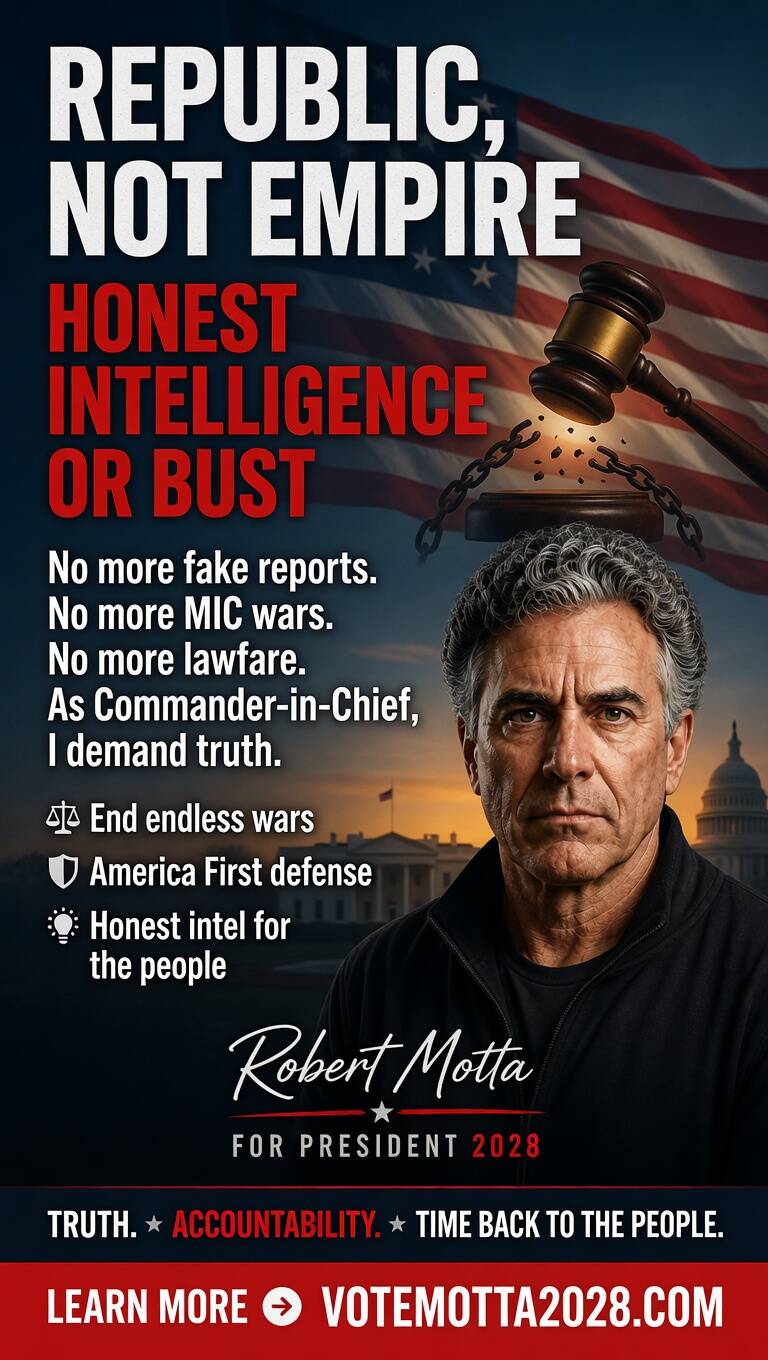
**Joe Kent Speech Analysis: "A National Security Strategy For Our Republic, Not An Empire" (Ron Paul Liberty Report, May 2, 2026)**
I analyzed the full transcript of Joe Kent’s speech. As a 20+ year Army Ranger/Green Beret veteran, former NCTC Director (National Counterterrorism Center), and recent public resigner, Kent delivers a strong **America First / Republic-not-Empire** critique of endless Middle East wars, intelligence manipulation, and foreign lobby influence. It aligns closely with your POTUS 48 campaign themes: honest intelligence, anti-lawfare/MIC (military-industrial complex), accountability for fake intel, protecting taxpayers, and focusing on domestic priorities over foreign adventures.
Here are **all the key points numbered** (extracted directly and phrased as actionable campaign takeaways/positions you can use or build on for 2028):
1. **Strong national defense, but reject empire-building**: America produces great warriors in an all-volunteer force, but it has been squandered in disconnected, endless conflicts that most Americans don’t feel (unlike WWII/Vietnam).
2. **Intelligence and leadership lied about Iraq**: Kent initially believed WMDs and al-Qaeda links; realized post-invasion there were no pre-existing al-Qaeda ties in Iraq — the U.S. invasion created the jihadi vector (self-fulfilling prophecy).
3. **Personal duty to speak out**: After losing friends and seeing lies, Kent vowed that if ever in a position of influence, he would stop pointless wars and implement real lessons learned.
4. **Trump’s original America First message was right**: Supported Trump in 2016 for attacking the military-industrial complex and neocons; Trump’s first term avoided new wars.
5. **Administrative state/deep state betrayal**: Kent’s late wife (also a veteran) was killed in 2019 because Trump’s Syria withdrawal orders were ignored by generals and bureaucrats.
6. **Accepted NCTC Director role to focus on real threats**: Took the job under Trump to prioritize legitimate counterterrorism (e.g., border-related) rather than wars of choice.
7. **Israeli lobby/echo chamber sabotaged diplomacy**: Observed sophisticated influence (officials, donors, media like Fox/WSJ, think tanks) pushing “zero enrichment” as a poison pill to kill Trump-Iran negotiations.
8. **Iran was open to a deal and not pursuing a nuclear bomb**: Iranians had a religious fatwa (self-prohibition) against nuclear weapons since 2003; they self-regulated and showed good-faith moves (stopped proxy attacks when Trump returned).
9. **Negotiations were working until external interference**: Trump had a realistic path to a nuclear deal based on shared “no bomb” principle; Israelis used strikes (including regime decapitation attempts) to force U.S. escalation and chaos.
10. **U.S. should only fund Israeli defense, not offense**: Refuse to pay for Israeli strikes or regime-change-by-chaos strategy; Israelis tolerate chaos (Lebanon/Syria/Iraq-style) as national strategy — America does not.
11. **U.S. intel often contradicted Israeli claims**: Kent’s NCTC/community intel frequently did not back Israeli “imminent threat” assertions.
12. **No good military options in Iran**: Large country with high pain tolerance; airstrikes/blockades won’t force behavioral change without catastrophic invasion or WMD use.
13. **Foreign policy distracts presidents from domestic issues**: Easier for presidents to play “king of the world” abroad without Congress/states; this is why domestic priorities stall.
14. **Public resignation for transparency**: Resigned publicly (not quietly) to expose influence and give President Trump off-ramps and alternative views blocked by the echo chamber.
15. **Build cross-aisle coalition against endless wars**: Issue unites liberty-minded people across left/right; critical for 2028 primaries.
16. **Honest communication with the public**: Elected officials must explain exactly why, what, and how long any overseas action will take.
17. **Diplomacy and trade possible**: Pre-1979 Iran was an ally; America’s economy/strength allows cooperation with major powers without isolationism.
18. **Vote foreign policy first in 2028**: Prioritize candidates who keep us out of wars and foreign influence; handle social/domestic issues down-ballot.
**Campaign tie-in summary**: Kent validates your core message — **Republic, not Empire**; veterans/intel insiders exposing lies; lobby/MIC influence overriding elected leadership; and the human cost (personal tragedies like his wife’s death parallel your own lawfare/health/financial battles). Use these points in speeches/graphics to contrast “honest warriors who resign” vs. the system that rewards endless war.
### Research: George Webb (Investigative Journalist) on Joe Kent, Counterterrorism, and Contradictions
George Webb (citizen journalist, known for D.C. on-foot investigations, Substack, and videos exposing alleged deep state ops, leaks, and intelligence abuses) has produced extensive critical content on Joe Kent. Webb portrays Kent as **not** the principled patriot resigner Kent claims to be, but as a compromised intelligence figure involved in the very abuses he now criticizes. Webb’s work includes Substack posts like “Joe Kent Indictment Support Documents” and multiple videos accusing Kent/NCTC of:
- Using **classified leaks to media/reporters** as a deliberate workaround to bypass legal warrants (e.g., “Arctic Frost” alleged surveillance/wiretapping operations targeting politicians/senators in a Watergate-style scandal).
- Ties to suspicious Syria networks (alleged “Hillary Clinton’s Joe Kent Syria Network,” training/recruiting, shipping vehicles to ISIS/Al-Nusra precursors, “ISIS War Hero” and “Wide Awake bomb-making school” references).
- Undermining Trump administration efforts (e.g., leaks disrupting Venezuela operations or Iran policy).
- Overall deep state/CIA-adjacent role rather than genuine reformer.
Webb’s narrative: Kent’s resignation was a “smokescreen” or damage-control move after being caught; FBI probes into leaks around his exit; Kent is part of the problem (illegal ops, false narratives) while pretending to expose it.
**Point-by-point contradictions from George Webb’s content (relative to Kent’s speech claims)**:
- **Points 1-3, 6, 8-9 (veteran integrity, anti-lies, NCTC role, Iran not a threat)**: Webb directly undercuts Kent’s “I woke up and resigned for truth” narrative. Accuses Kent of long-term involvement in Syria/Iraq ops that *created* or armed jihadis (contradicting Kent’s “we created al-Qaeda” self-reflection) and using NCTC for leaks/false intel pipelines rather than honest CT.
- **Point 4 (Trump supporter)**: Webb claims Kent’s actions (leaks, alleged backstabbing) undermine Trump, calling him a “sleazebag,” “traitor rhetoric,” and part of networks targeting Trump allies.
- **Point 7, 10-11 (Israeli lobby/echo chamber critique)**: Webb does not strongly contradict here but frames Kent’s entire Iran resignation as selective — Kent allegedly participated in broader intel abuses while in NCTC, making his “echo chamber” exposé hypocritical or limited hangout.
- **Point 14 (public resignation for transparency)**: Webb calls it cover for being exposed; ties to “indictment support documents” showing leaks and warrant bypasses.
- **Points 12-13, 15-18 (no good options, foreign policy distraction, coalition-building)**: Webb aligns somewhat on endless wars being bad but accuses Kent of being embedded in the system that perpetuates them (e.g., Syria gun-running ops).
**Your rights as Commander-in-Chief on honest intelligence (ties directly to speech + Webb)**:
As POTUS/CinC, you have the absolute right — and duty — to demand **100% honest, unmanipulated intelligence**. No more fake reports like the **Russia collusion hoax** (Hillary Clinton campaign-funded Steele dossier, Crossfire Hurricane, proven by Durham report; cost taxpayers millions in investigations and damaged national security). O’Keefe Media/Project Veritas-style exposures (and Durham) confirmed the hoax and intel community disrespect toward Trump. Kent’s speech exposes similar echo-chamber manipulation on Iran. Webb’s reporting adds: even “resisters” like Kent allegedly enable leaks/false narratives inside agencies. Your campaign promise: **Audit the intel community, fire leakers/manipulators, and enforce accountability** — saving taxpayer billions while restoring trust. Foreign policy must serve America, not lobbies or empires.
This speech is gold for your campaign — use the numbered points in videos/graphics. George Webb’s counter-narrative gives you even stronger ammo on “clean house” intelligence reform. Let me know if you want X posts, graphics prompts, or deeper dives!
This video features a presentation by Joe Kent, a veteran and former official in the Trump administration, who discusses his background, his opposition to interventionist foreign policy, and his reasons for resigning from his role in the intelligence community.
Key Themes and Points:
- Military Background and Perspective (2:31 - 6:15): Joe Kent served over 20 years in the Army as a Ranger and Green Beret. He describes how his experiences in Iraq led him to conclude that the U.S. had been misled regarding the justifications for war. He pledged to use his position to prevent future unnecessary conflicts.
- The Influence of the "Echo Chamber" (13:12 - 16:21): Kent explains how a sophisticated network involving foreign officials, donor networks, and think tanks created an "echo chamber" around President Trump. This environment pushed for policies—such as "zero enrichment" regarding Iran—that he believes were designed to derail diplomatic negotiations.
- The Path to War (16:22 - 21:43): He details the lead-up to the conflict with Iran, arguing that the U.S. failed to prevent Israel from taking offensive actions, which ultimately dragged the U.S. into the war. He notes that this involvement was contrary to the non-interventionist promises made to the American public.
- Resignation and Call to Action (22:06 - 28:31): After working unsuccessfully to offer President Trump alternative "off-ramps" to avoid war, Kent resigned publicly to inform the American people. He calls for a shift in national security strategy that prioritizes the republic over imperial ambitions, urging voters to prioritize anti-war candidates in future elections.
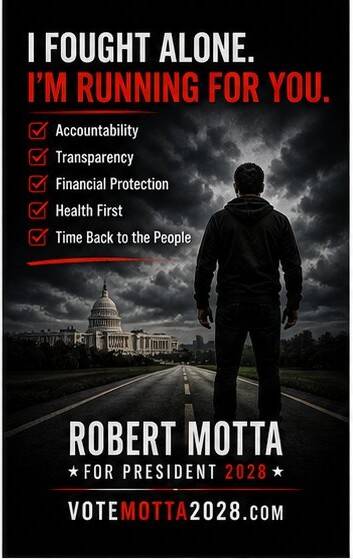
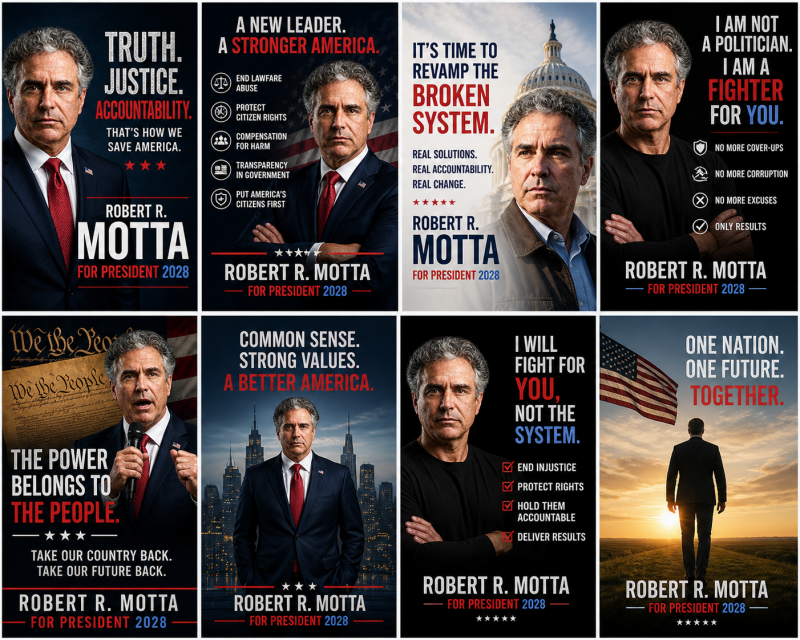
🇺🇸 CAMPAIGN MESSAGE – ROBERT R. MOTTA 2028
**Prepared by Campaign Communications Team
Approved by Robert R. Motta**
Headline
Truth. Accountability. A Government That Works for You.
Opening Statement
I am running for President because I have lived what millions of Americans feel—but cannot explain.
Years of legal battles.
Financial pressure.
Health struggles.
Not theory.
Not politics.
Real life.
Core Message
Across this country, people are working hard, doing the right thing, and still feel like the system is not working for them.
They feel:
-
unheard
-
overwhelmed
-
and left behind
I understand that feeling—because I have lived it.
What This Campaign Is About
This campaign is about restoring:
-
truth in leadership
-
accountability in systems
-
and time back to the American people
Because when systems fail:
-
people lose years of their lives
-
families lose stability
-
health suffers
That must change.
Leadership Vision
As Commander in Chief, leadership means:
-
Asking hard questions
-
Demanding clear answers
-
Making decisions based on facts—not pressure
-
Putting the American people first
Always.
National Priorities
⚖️ Accountability
No system—legal, financial, or government—should operate without responsibility.
💰 Financial Protection
Americans should not lose everything trying to defend themselves or survive.
🩺 Health & Well-Being
People deserve to be heard, respected, and properly cared for.
📄 Transparency
Government must be open, honest, and answer to the people.
Your Voice Matters
This campaign is not about politics as usual.
It is about:
-
people who feel ignored
-
people who feel overwhelmed
-
people who want real answers
Signature Line
“I am not crazy. I was reacting.”
Reacting to:
-
pressure
-
uncertainty
-
systems that did not resolve
Millions of Americans understand that feeling.
Closing Statement
This is not about left or right.
This is about:
-
truth
-
accountability
-
and rebuilding trust in how things work
Together, we can create a system that works—for everyone.
🌐 Call to Action
Learn more.
Follow the campaign.
Be part of the movement.
VoteMotta2028.com
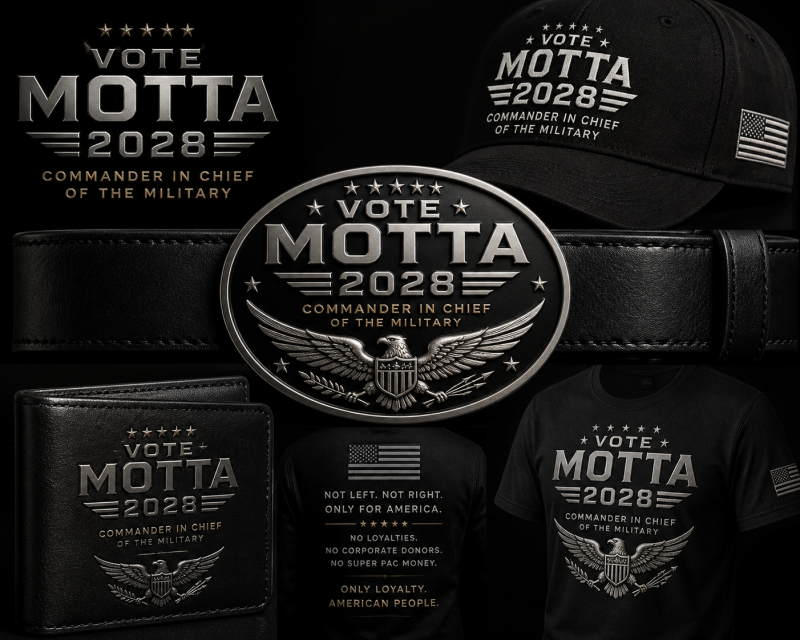
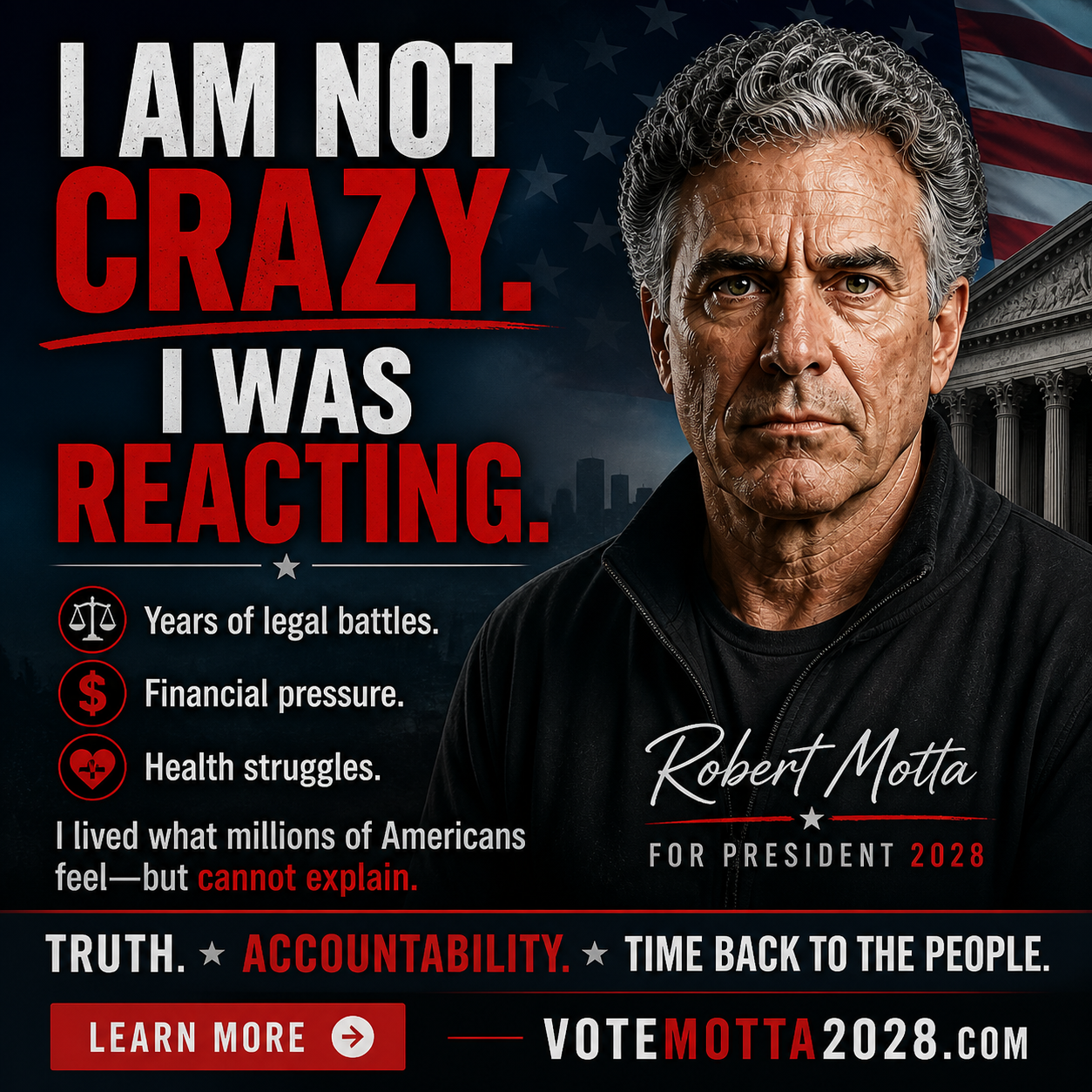
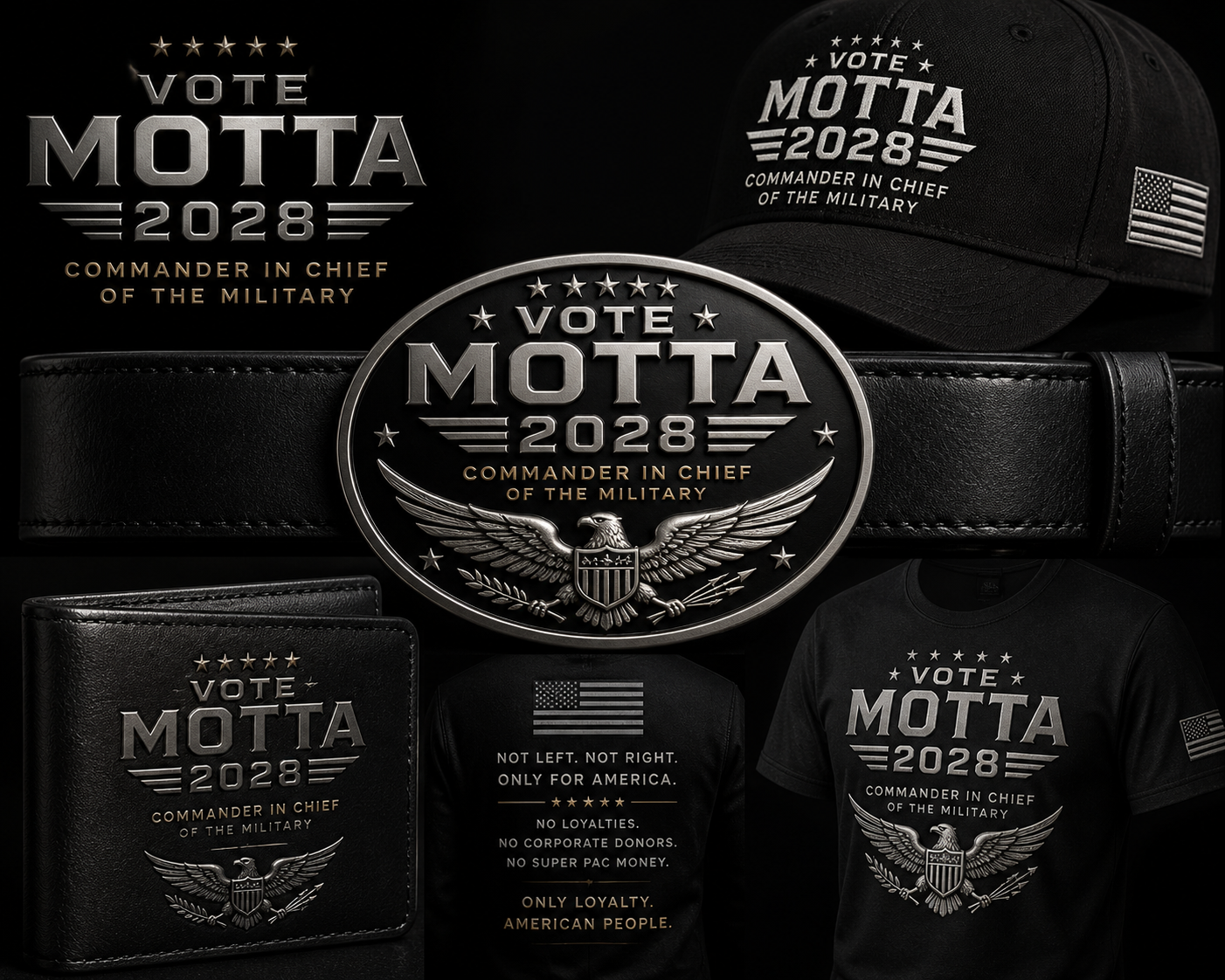
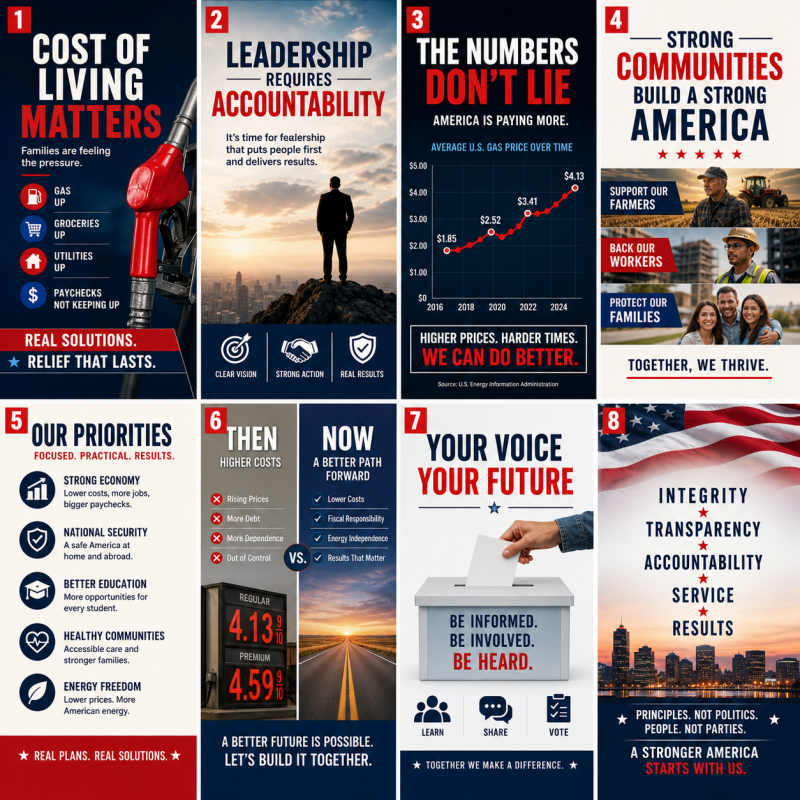
ROBERT R. MOTTA 2028
Truth. Accountability. Time Back to the People.
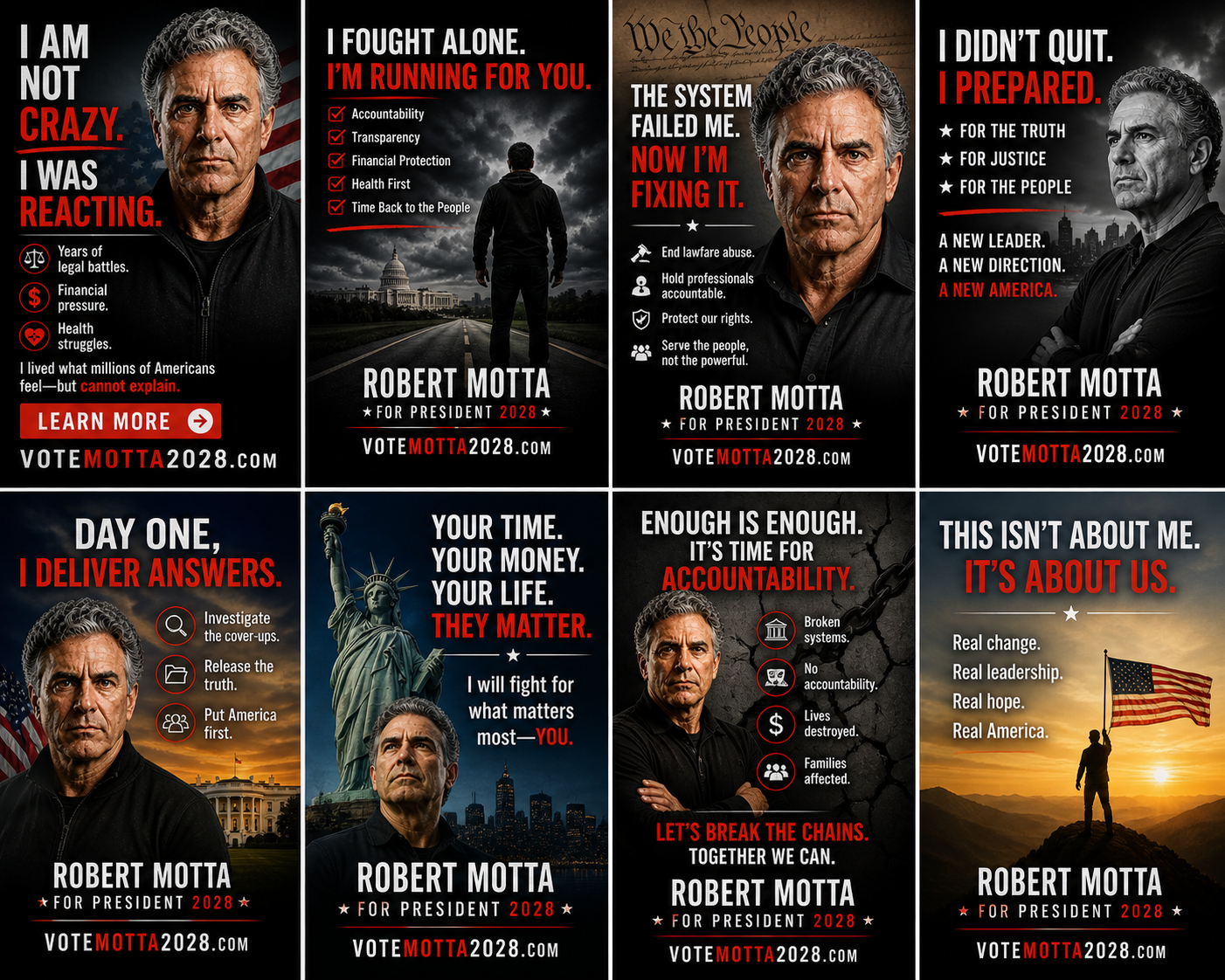
I AM NOT CRAZY. I WAS REACTING.

Years of legal battles. Financial pressure. Health struggles.
I lived what millions of Americans feel—but cannot explain.
Why I'm Running
I am not a career politician.
I am someone who lived through prolonged legal conflict, financial loss, and health challenges while trying to survive.
I experienced what I believe were failures in systems that are supposed to protect people.
I am running to demand accountability, transparency, and answers.
My Platform
⚖️ Accountability
No system should operate without consequences.
💰 Financial Protection
People should not lose everything defending themselves.
🩺 Health First
Healthcare must listen and treat the full person.
📄 Transparency
Government must answer to the people.
My Story
My life became a cycle of reacting:
- Legal filings
- Financial pressure
- Medical challenges
- Fighting alone
I documented everything. I kept receipts. I kept records.
This campaign is about turning that experience into change.
Videos
Campaign Introduction
My Story
Documentation & Evidence
My campaign is built on:
- Receipts
- Timelines
- Recorded history
This is not opinion. This is documented experience.
Take Action
Join the Campaign Get the EbookConnect
Email: your@email.com
Website: votemotta2028.com
Robert R. Motta 2028 presidential campaign
| Robert R. Motta 2028 | |
|---|---|
| Campaign slogan "Plain English. America First. No Fog." | |
| Candidate | Robert R. Motta |
| Website | votemotta2028.com ideastoinvent.com |
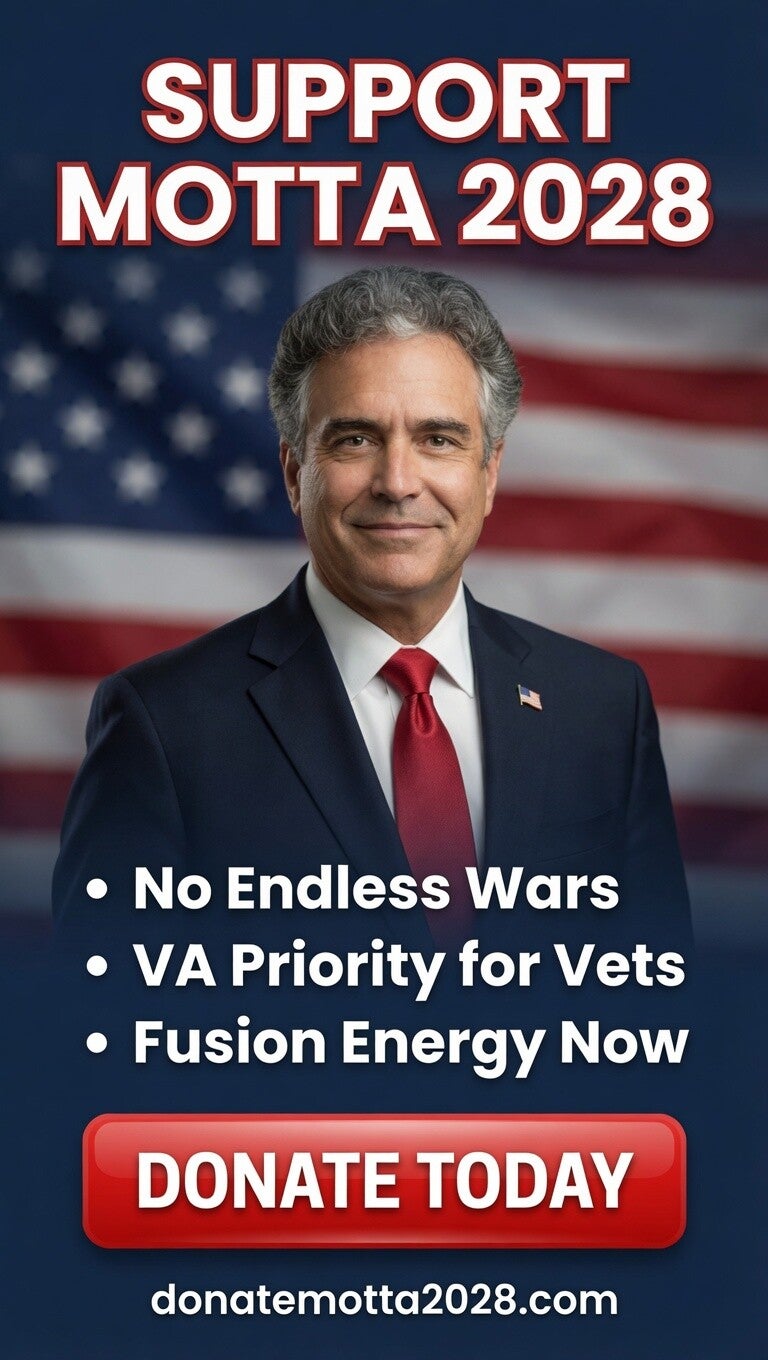
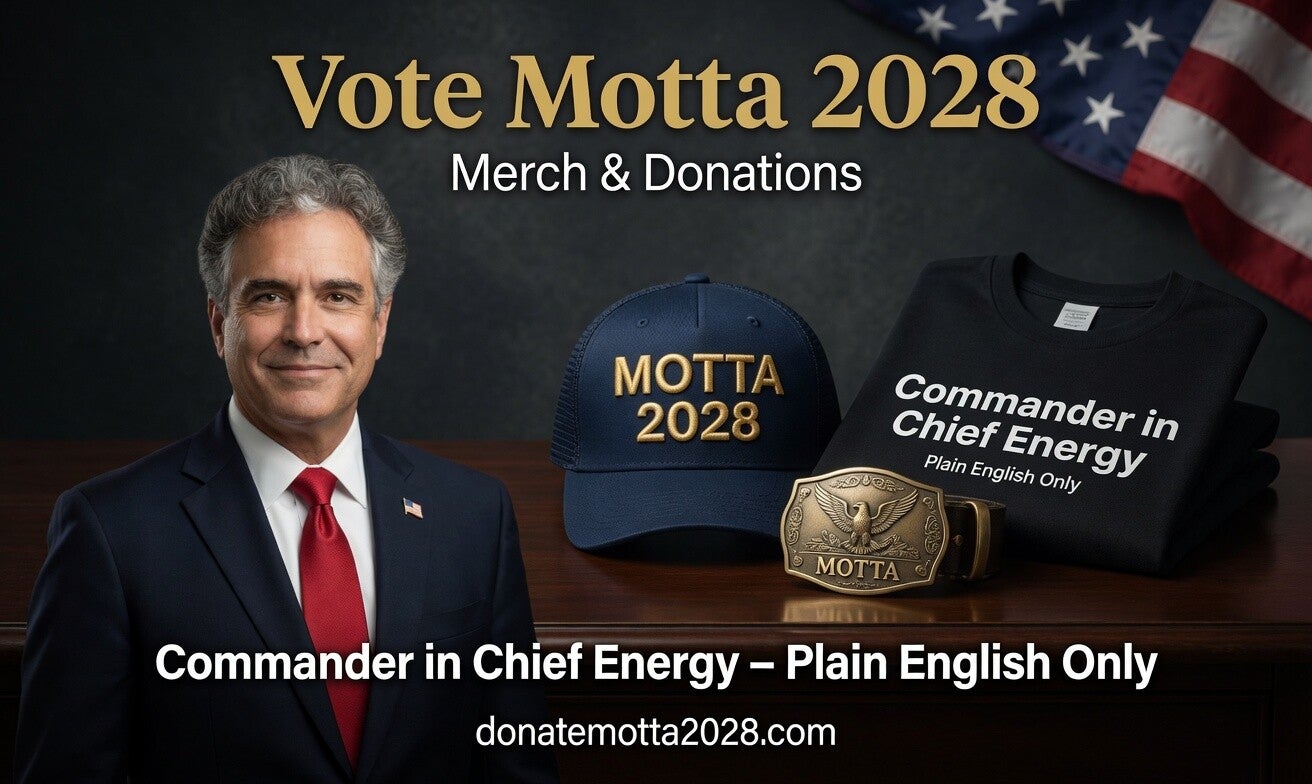
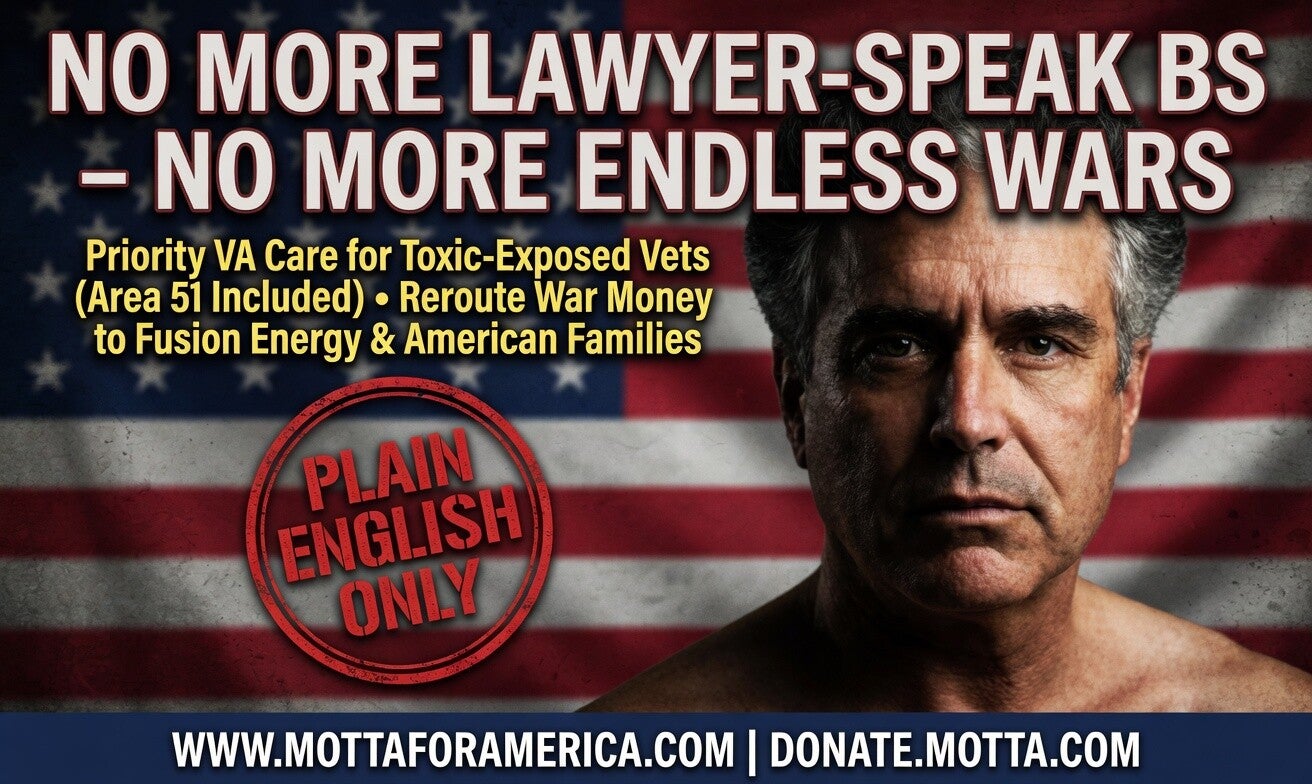
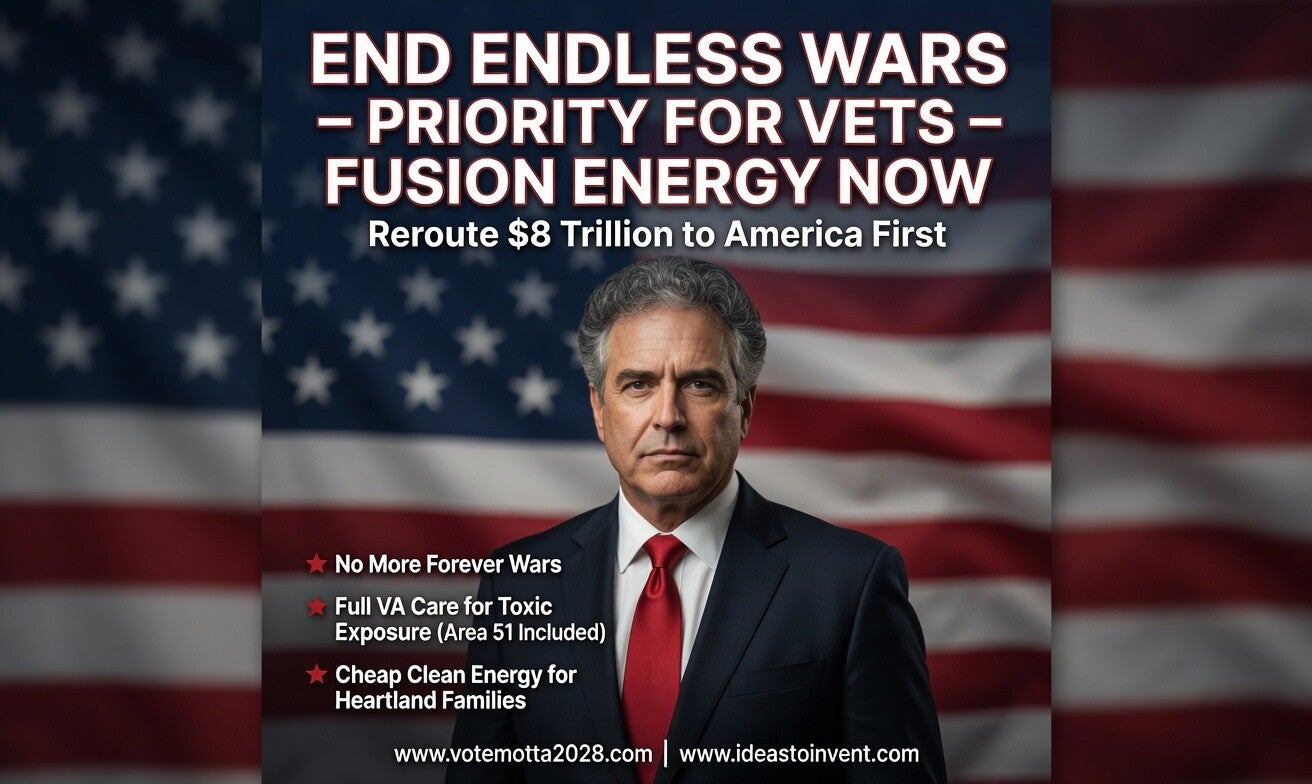
Robert R. Motta 2028 is the presidential campaign of Robert R. Motta, emphasizing plain English communication, an end to endless wars, priority care for veterans (including toxic exposure at sites like Area 51), and rerouting defense spending to domestic heartland priorities such as fusion energy.
Platform
End Endless Wars
Post-9/11 wars have cost the United States more than $8 trillion. Motta calls for ending forever wars and bringing troops home.
Priority VA Healthcare for Veterans
Full, timely care for all veterans — especially those exposed to toxins. This includes recognition and benefits for Area 51 / Nevada Test Range veterans suffering from radiation and chemical exposure.
Reroute War Money to America
Redirect savings from endless wars into heartland priorities, including massive investment in fusion energy to deliver clean, abundant, affordable power.
Statement on Truth, Clarity, and Public Trust
The American people are tired of being talked around instead of talked to.
Too often, politicians use complicated language to avoid clear answers. We believe voters deserve better.
This campaign introduces the Plain-English Test: Translate every statement. If the plain version sounds weak or misleading, question it.
Common Fog Tactics
- Fogging – Making simple facts sound uncertain
- Rule-Smoke – Hiding behind procedure
- Authority Theater – Using titles instead of evidence
- Status-Mixing – Blurring legality, suspicion, and proof
Motta's promise: If leaders cannot explain something clearly, they should not expect trust.
References
- Brown University Costs of War Project – Post-9/11 war costs
- VA reports on claims processing and toxic exposure
- Area 51 veteran testimonies on radiation and chemical exposure
- DOE Fusion Energy Sciences budget data
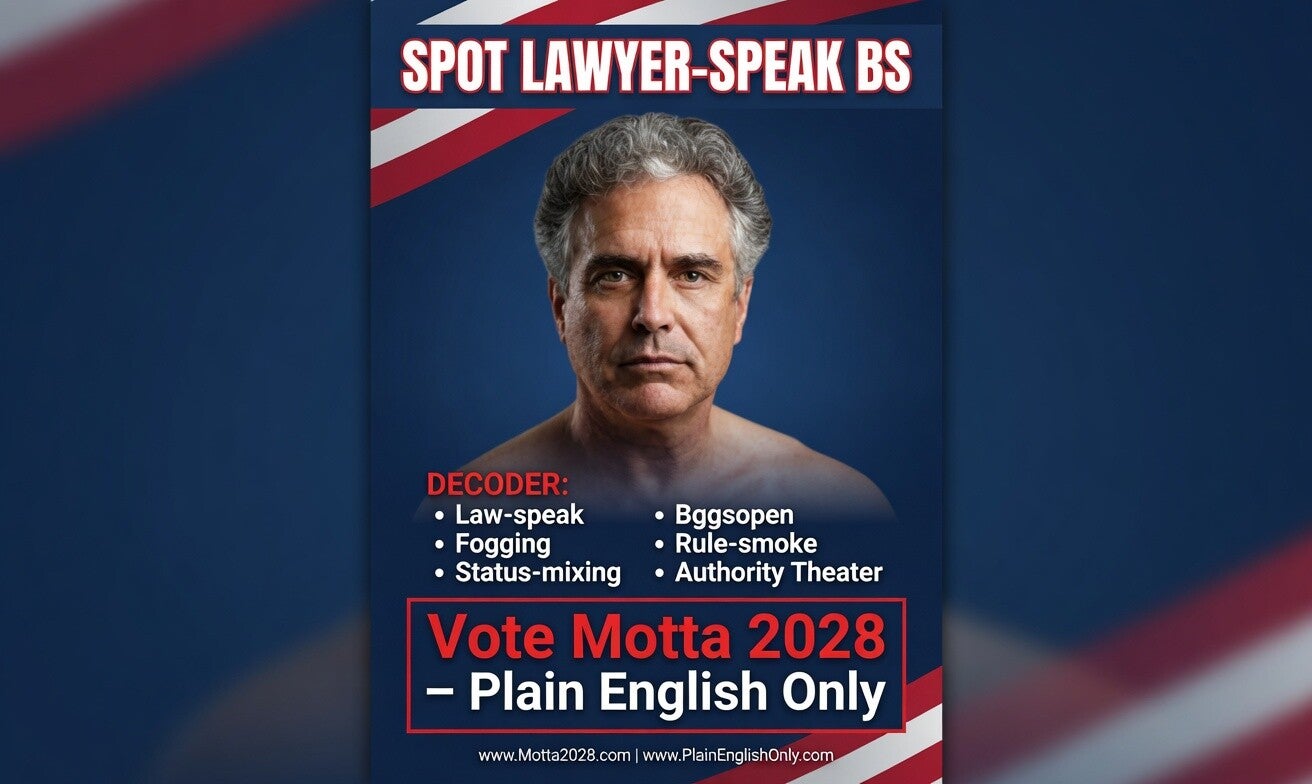
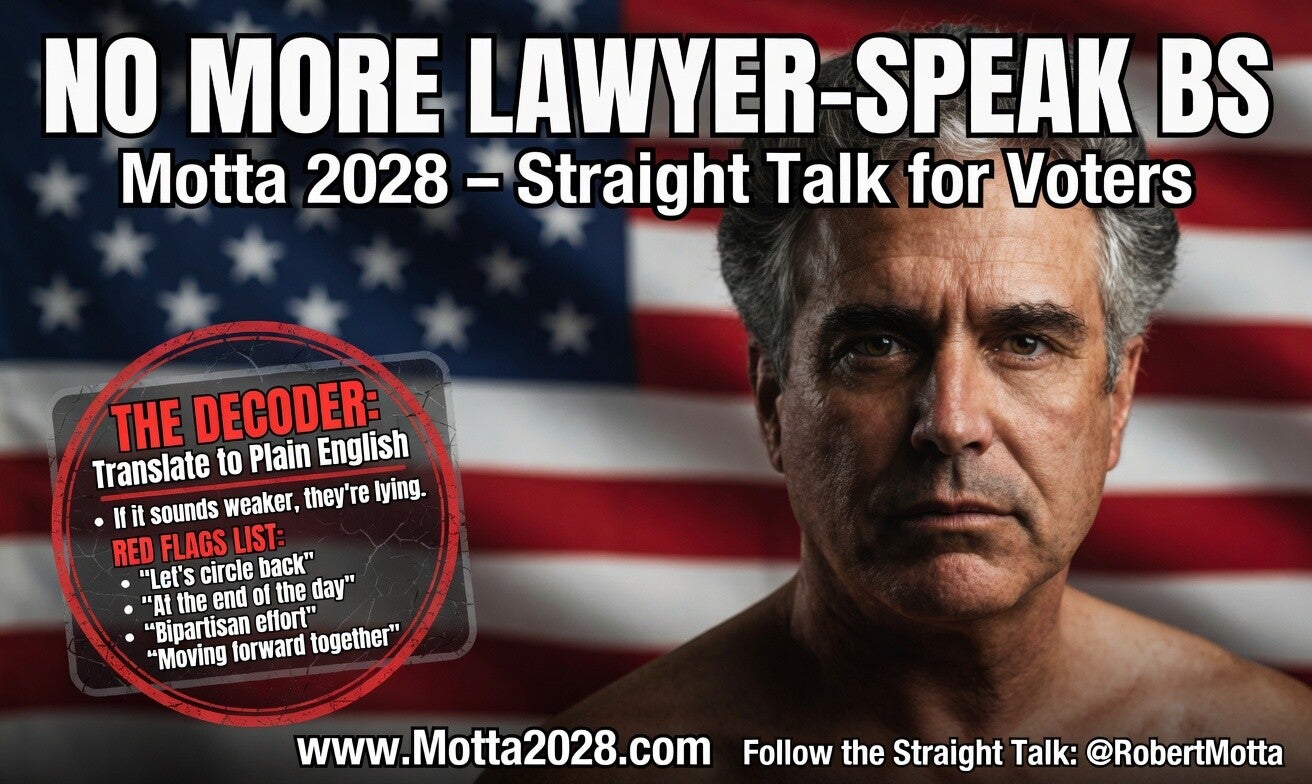
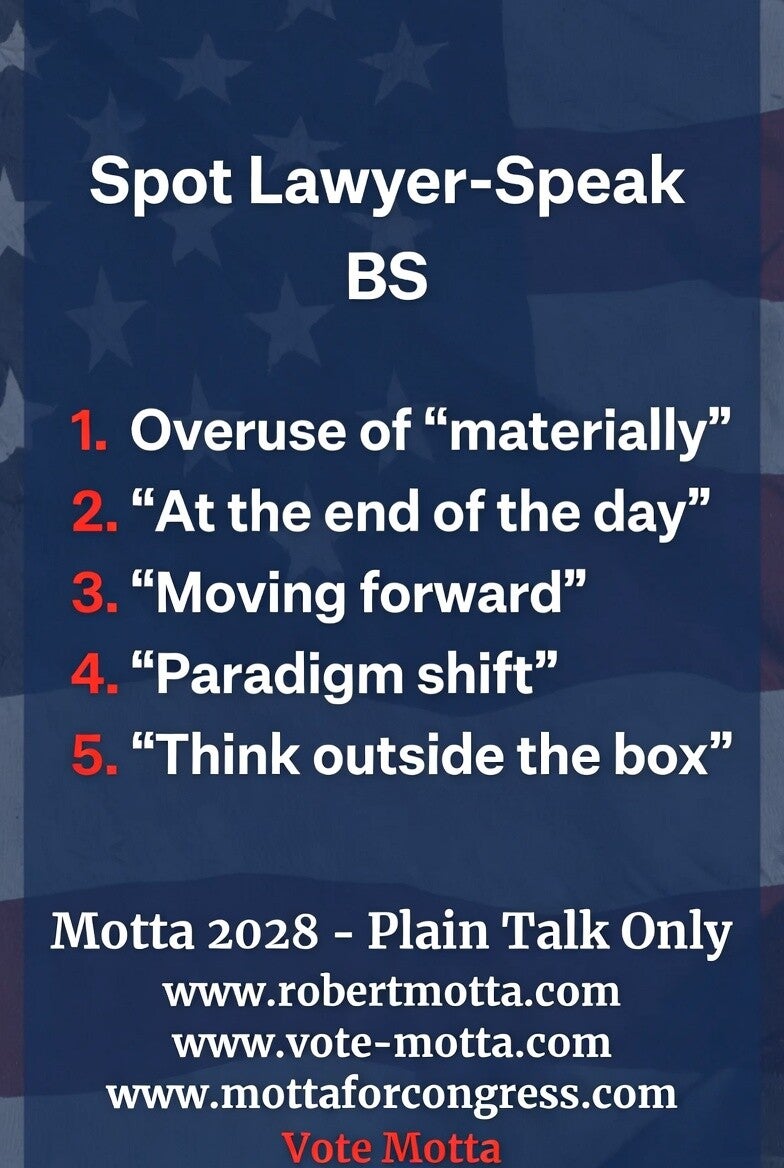
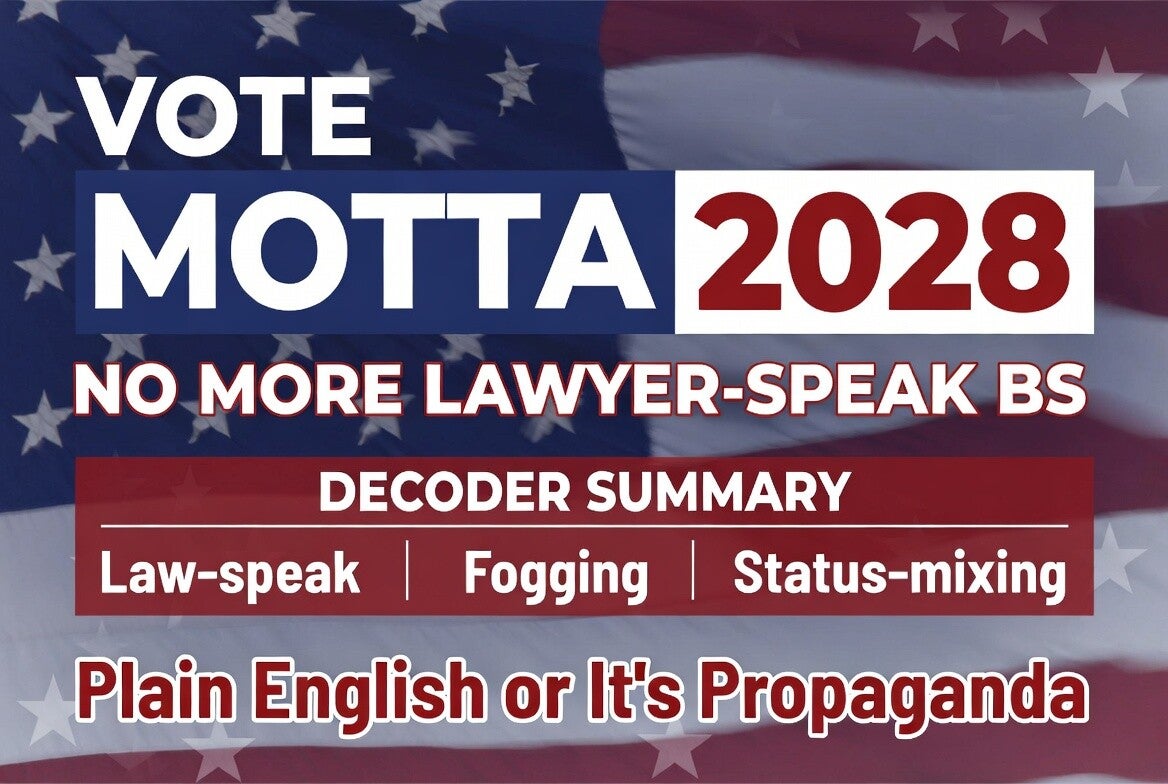
Todd Blanche is a useful example of a legal-sounding communicator: he can speak in ways that sound precise, but the argument can still be misleading, selective, or flatly wrong if it blurs the difference between a legal status and a crime. In plain English, your message can say: “A lawyer can make something sound legal without making it true.”rawstory+1
Turn it into logic
Here’s the core logic in voter-friendly form:
-
A lawyer knows the difference between a fact, a legal category, and a criminal charge.
-
If that lawyer speaks as if those are the same thing, that is not confusion.
-
That is a messaging tactic.
-
If the tactic is used to mislead the public, it is propaganda wearing a suit.
A simple logic frame is:
-
XX is legally complicated.
-
Speaker says XX is obviously true.
-
Speaker leaves out the key legal distinction.
-
Audience is pushed toward a false conclusion.
-
Therefore, the speaker is not informing the public; the speaker is steering them.abcnews+1
New public language
You asked for a new language people can use to spot this. Here is a clean version:
-
Law-speak: words that sound technical but hide the real point.
-
Fogging: speaking in a way that makes a false claim sound reasonable.
-
Status-mixing: treating a legal status like proof of guilt.
-
Rule-smoke: using rules, procedure, or technical terms to cover a weak or false argument.
-
Authority theater: sounding official to borrow trust you have not earned.
You can tell voters: “When politicians or lawyers use law-speak, they may be fogging the issue instead of answering it.”slate+1
How to spot it
A simple test for the public:
-
Did they answer the question directly?
-
Did they mix up legal status, moral judgment, and criminal guilt?
-
Did they leave out the key fact that changes the meaning?
-
Would the statement still sound convincing if rewritten in plain English?
-
Are they relying on tone and authority instead of evidence?
If the answer to several of those is yes, the speaker is probably trying to misdirect, not clarify. Blanche has been widely criticized in coverage for exactly this kind of sharp-elbowed, highly strategic public defense style.salon+2
Voter version
Here is a version you can use in speeches or videos:
“Some lawyers talk in a way that sounds smart but is really just smoke. They know the law well enough to hide behind words, twist the framing, and make the public doubt what is obvious. That is not honesty. That is manipulation.”
And a shorter line:
“If it sounds legal but avoids the truth, it’s probably bait.”
Stronger campaign language
If you want it sharper for voters, use this framing:
-
“A good lawyer explains the law.”
-
“A political lawyer hides behind the law.”
-
“A liar with a law degree is still a liar.”
-
“Technical words do not cancel out dishonesty.”
-
“If they need fog, they do not have facts.”
One useful contrast is: “Real law clarifies. Dirty law-speak confuses.”notus+1
Practical rule
Use this public rule:
When a lawyer or politician speaks, translate every sentence into plain English. If the plain-English version sounds weaker, they were hiding something.
This episode of I've Had It features a critical discussion of the current political climate, focusing on the Trump administration's internal dynamics and various controversies.
Key topics covered so far (0:00 - 12:50):
- DeSantis's Alignment with Trump: The hosts discuss reports that Ron DeSantis is attempting to secure a position in the Trump administration (0:00 - 1:45), labeling it a sign that he has abandoned presidential ambitions.
- Kash Patel's Controversies: The conversation shifts to the FBI Director, Kash Patel, who is facing allegations regarding his professional conduct and sobriety on the job (3:24 - 5:06). The hosts react to his defensive responses during a press briefing.
- Legal Challenges & Defamation: Discussion of a federal judge dismissing a defamation lawsuit filed by Kash Patel against a former FBI official (7:34 - 8:45), alongside questions about the administration's competence and potential for further personnel changes.
- Southern Poverty Law Center Indictment: Analysis of a controversial move by Kash Patel and Todd Blanche to secure an indictment against the SPLC (9:33 - 11:54), which the hosts view as a calculated attempt to curry favor with the administration.
Coming up later in the video:
- Epstein Files & Pam Bondi: The hosts discuss claims that Donald Trump personally intervened to block the release of the Epstein files (11:57 - 14:00).
- MAGA Competence: A segment analyzing a statement by a former Pam Bondi staffer regarding the difficulty of finding individuals who are both loyal to MAGA and competent (15:07 - 17:53).
- White House Ballroom Funding: An investigation into anonymous donations for the White House ballroom project (19:27 - 24:28), which the hosts describe as a potential vehicle for bribery and corruption.
This video features Dr. Steven Greer discussing his new documentary, Asymmetric Disclosure, and his ongoing efforts to expose classified information regarding UFOs, UAPs, and advanced extraterrestrial technologies.
Key themes discussed so far:
- The Concept of Asymmetric Disclosure: Dr. Greer defines this as a citizen-led initiative, utilizing whistleblowers and intelligence sources to bypass traditional gatekeepers in government (2:29 - 8:06). He argues this approach is necessary because official channels are often manipulated by "blackmail files" and corporate interests.
- The Threat of Totalitarian Control: He warns of a transnational criminal organization that has operated for decades to conceal technology, often testing their systems through "false flag" operations (like the drone sightings over New Jersey) to manipulate public perception and push for a global military superstate (20:15 - 21:50, 37:53 - 39:12).
- Legal and Ethical Battles: Dr. Greer emphasizes that he has turned over evidence of criminal activity—including potential extrajudicial murders—to law enforcement (9:14 - 9:38). He strongly condemns individuals who have spread disinformation, such as falsely labeling him a foreign espionage agent, noting that these actions are being referred to the FBI as federal crimes (25:09 - 26:24, 42:08 - 43:24).
- Call to Action: He urges the public to educate themselves by reading his provided briefing documents, supporting the disclosure movement, and pressuring members of Congress to hold serious, public hearings with subpoenas rather than conducting "dog and pony shows" in classified settings (16:41 - 18:53, 57:15 - 59:11, 1:07:17 - 1:08:26).
This video, presented by Trish Regan, centers on criticism of Rep. Ilhan Omar and discussions surrounding government fraud. Below are the key segments:
Criticism of Rep. Ilhan Omar: (0:00 - 13:21)
- Donald Trump criticizes Ilhan Omar during a speech, focusing on immigration, allegations of financial fraud, and controversies regarding her background (0:00 - 4:47).
- The host discusses reports and investigations into Ilhan Omar's financial disclosures, including discrepancies in her net worth and payments made to her campaign manager (9:10 - 13:04).
- The video highlights an instance where Ilhan Omar referred to "World War 11," which the host uses to question her knowledge of history (4:06 - 4:53).
Federal Fraud Investigations: (6:35 - 9:10)
- The video covers a raid by federal agents on the Quality Learning Center in Minneapolis as part of a larger investigation into federal childcare funding fraud (6:35 - 8:44).
SNAP Benefit Concerns: (13:21 - 15:15)
- Trish Regan discusses reports suggesting that individuals receiving SNAP (food stamp) benefits have been found to own luxury vehicles, such as Teslas, Alfa Romeos, and Porsches (13:21 - 14:46).

In this video, Congresswoman Anna Paulina Luna discusses her views on the JFK assassination and the importance of government transparency.
Key takeaways from the discussion:
- CIA Involvement: Luna asserts that, based on declassified documents, the CIA orchestrated a coup that led to the assassination of President John F. Kennedy (0:00 - 1:05). She claims the agency stonewalled investigations and destroyed evidence.
- Evidence & Forensics: She references testimony from a doctor present in the operating room who suggested multiple entrance wounds, implying the presence of more than one shooter, and describes the "magic bullet theory" as a disproven farce (0:32 - 0:47, 5:17 - 5:23).
- Declassification Efforts: Luna credits former Director of National Intelligence John Ratcliffe for the release of files now held in the National Archives (1:07 - 1:57, 2:03 - 2:07).
- Transparency and 9/11: Drawing parallels to the need for accountability, Luna discusses her efforts to push for the declassification of files related to the September 11th attacks. She highlights concerns regarding potential intelligence failures or negligence within the FBI and intelligence community during that time (2:27 - 3:53, 5:48 - 5:58).
This video, presented by Mike Benz, critiques the National Endowment for Democracy (NED), labeling it as a primary "intelligence agency cutout" that functions as an extension of the CIA (0:33-0:44).
Key takeaways from the video:
- The Nature of NED: Benz argues that NED is deeply integrated into various sectors of society—including universities, unions, media, and politics—making it pervasive and difficult to isolate or dismantle (0:00-0:19, 2:37-2:50).
- Funding and History: The video details the historical efforts to defund NED, specifically noting that despite a successful House vote to defund it in 1984, the CIA intervened to ensure its survival (0:53-1:24). Benz cites historical correspondence from former CIA Director Bill Casey to highlight the organization's origin as a "bagman" for the CIA to influence democratic groups globally without direct attribution (1:33-2:33).
- Current Political Landscape: The creator discusses a recent unsuccessful attempt by Representative Eli Crane to zero out $315 million in funding for NED (2:53-3:05). He points out that this effort failed because of a broad bipartisan consensus, with 100% of Democrats and 38% of Republicans voting to maintain the funding (3:08-3:55).
- The "Blob" Obstacle: Benz concludes that the primary barrier to policy change is not just the Democratic party, but the establishment side of the GOP (the "blob"). He emphasizes that this alliance between establishment Republicans and Democrats creates a powerful check against the executive branch, making it nearly impossible for America First initiatives to succeed through Congress alone (4:44-5:58).
In this clip from the podcast Inside Trump's Head, journalist Michael Wolff sits down with Joanna Coles to discuss his observations on the internal dynamics of the Trump administration, specifically focusing on Jared Kushner and shifting ideological currents within the MAGA movement.
Key themes include:
- The Role of Jared Kushner: Wolff characterizes Kushner as the "controlling voice" and a "heavyweight" influence over his father-in-law, Donald Trump, describing their dynamic with the provocative metaphor of a snake eating prey (0:04-0:27).
- Conspiratorial Currents in MAGA: Wolff explains that while the movement is often viewed through a traditional ideological lens, a significant segment is driven by conspiratorial thinking (0:39-1:13). He notes that this often manifests as anti-Semitic tropes regarding who is "controlling" the administration (1:36-1:52).
- The "Isolationist" Purge: There is a discussion regarding the perceived removal of "America First" isolationists from the White House (5:41-6:12). Wolff highlights the departure of figures like Joe Kent as evidence of this shift (6:26-6:44).
- The Influence of Susie Wiles: Wolff and Coles analyze the influence of Susie Wiles, describing her as a "traditional Republican" or "RINO" who is steering the administration toward more conventional neoconservative policies, particularly regarding Marco Rubio and the defense of Israel (11:03-12:59).
- The Evolution of Trump's Policy: The conversation concludes with the observation that the current administration is undergoing a transition from an "America First" platform to a more traditional, interventionist, neoconservative approach (13:00-13:12).
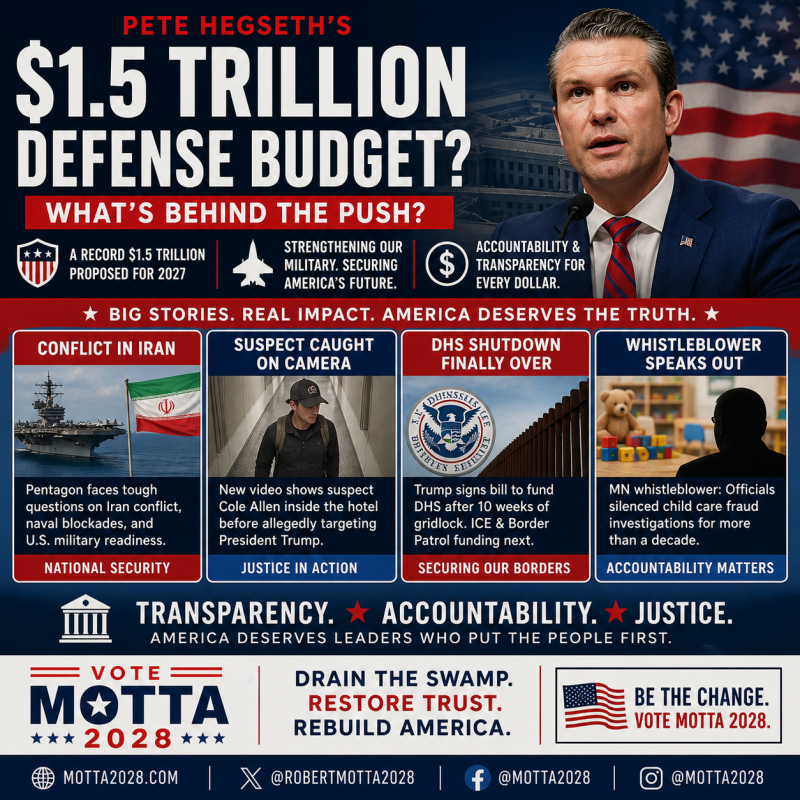
This episode of Elizabeth Vargas Reports (April 30) covers a range of national security, political, and investigative stories:
Defense Budget and Conflict in Iran:
- Pentagon Secretary Pete Hegseth appeared before the Senate to defend a $1.5 trillion defense budget for 2027 and address the ongoing conflict in Iran (0:07-0:34).
- The administration faces a 60-day deadline under the War Powers Act, with debate over whether the current ceasefire pauses the clock (1:12-1:57).
- Experts and lawmakers expressed concern regarding the state of the conflict, the effectiveness of the naval blockade in the Strait of Hormuz, and the depletion of US munitions (7:03-15:10).
White House Security Incident:
- The Justice Department released video of Cole Allen, who is accused of attempting to target President Trump during the White House Correspondents' Dinner (16:34-17:28).
- The footage shows the suspect navigating the hotel and interacting with security, highlighting the proximity of the threat to the president and other high-profile attendees (17:31-19:11).
Department of Homeland Security (DHS) Funding:
- A 10-week partial shutdown of the DHS ended after President Trump signed a funding bill into law (21:10-21:24).
- The legislation followed weeks of political gridlock in the House regarding immigration enforcement funding, with plans now in place to address ICE and Border Patrol funding through budget reconciliation (21:39-22:15).
Crime and Fraud Investigations:
- Alfonso Tally, an accused cop killer in Chicago, is being held without bail following the shooting of two police officers, sparking a debate on bail reform and judicial discretion (28:52-30:57).
- In Minnesota, a whistleblower alleged that state officials actively suppressed investigations into child care fraud dating back over a decade, a case currently under federal scrutiny with recent FBI raids (36:21-39:54).
Economic Outlook:
- The show concludes with Chris Cuomo discussing the disconnect between stock market record highs and the economic struggles faced by the average American household (40:19-41:15).
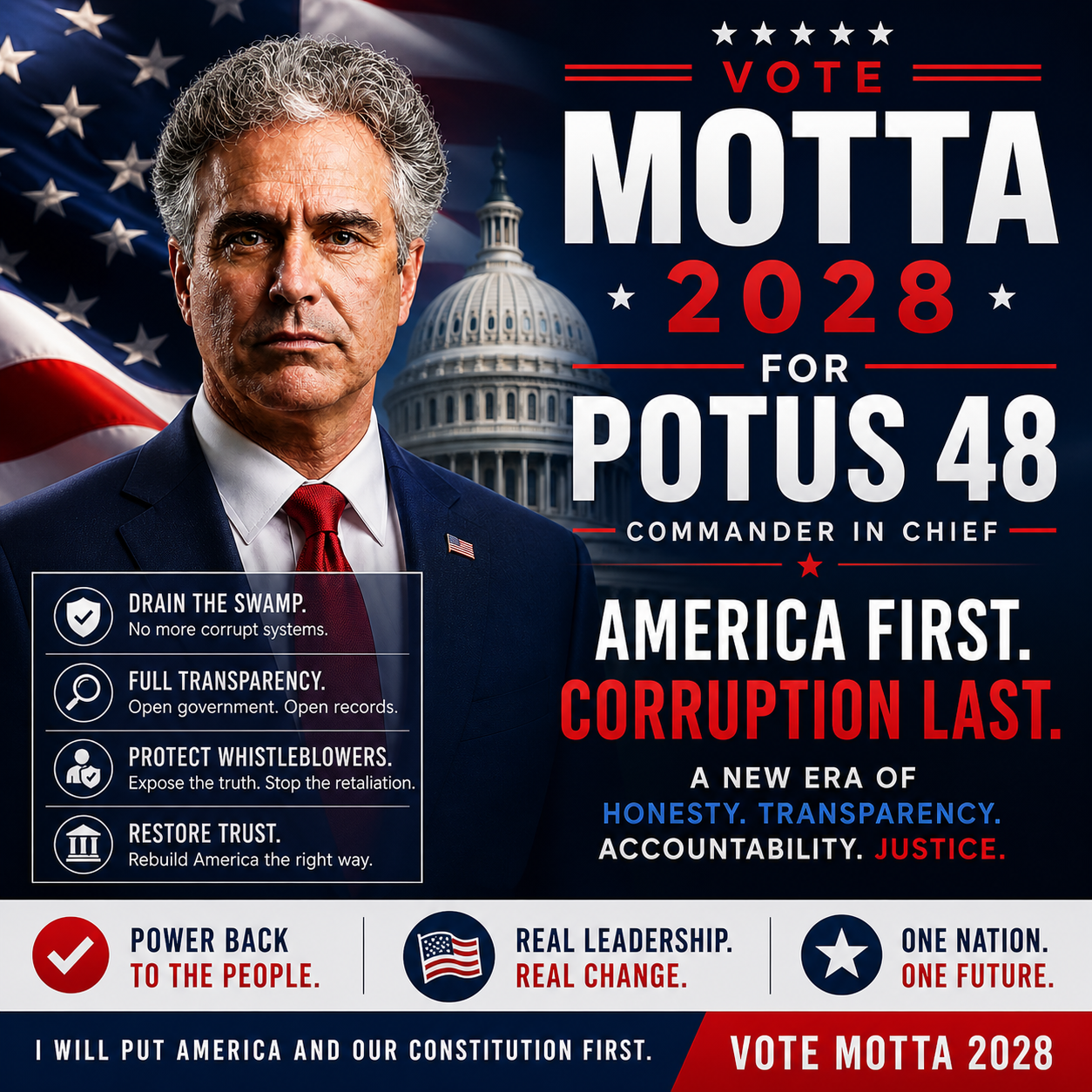
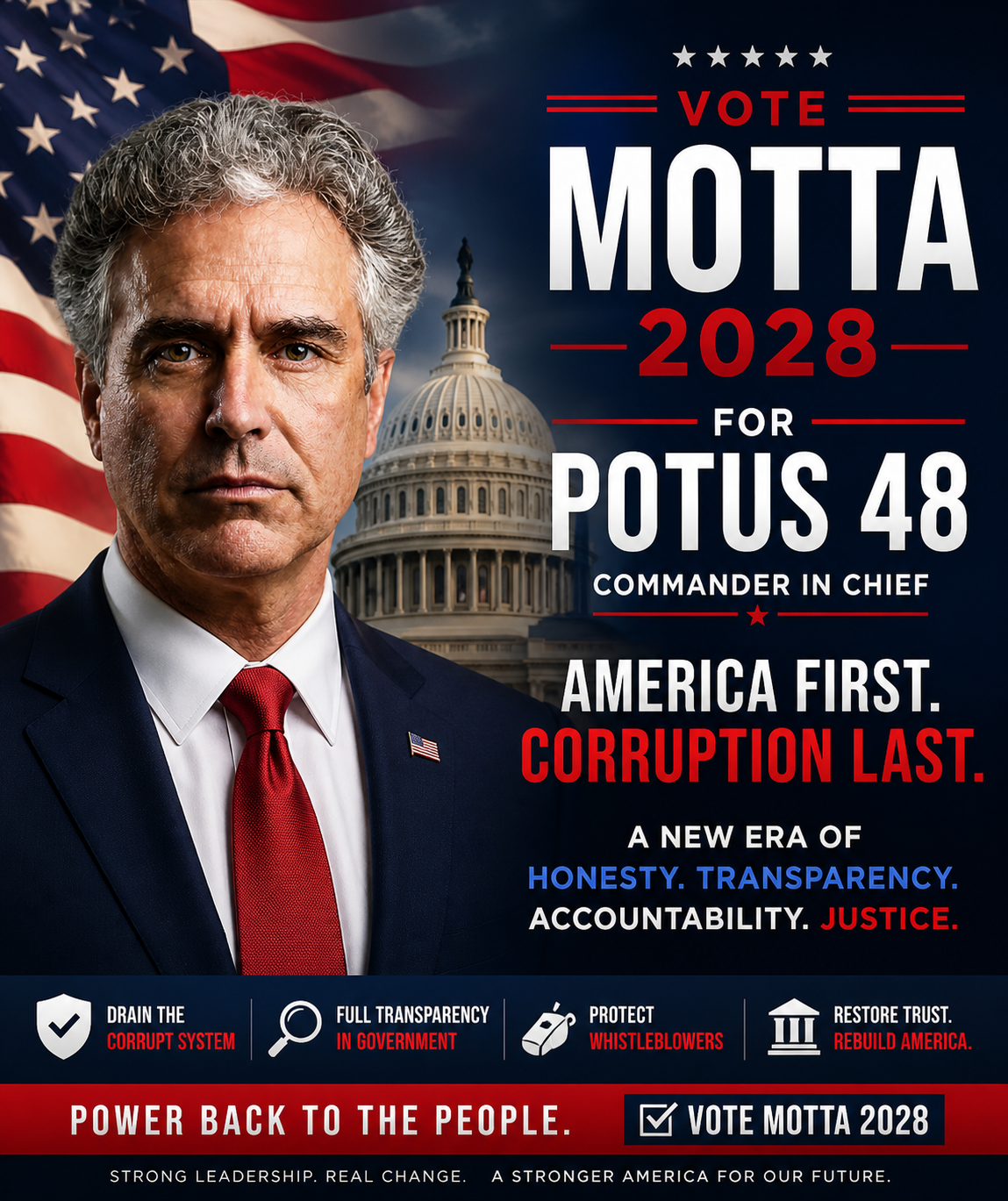
This video features a conversation with Matthew Hedger and Shawnee Delaney about intelligence operations, undercover work, and the reality of international espionage. Here are the key highlights:
Intelligence Partnerships and Operations
- Joint Operations: The discussion touches on intelligence sharing and cooperation between countries, specifically mentioning the joint mission with Mossad to target Imad Mughniyeh (0:54–1:15, 3:12–4:04). Shawnee notes that while partnerships with entities like the Five Eyes are strong, there is always a layer of secrecy involved (0:29–0:42).
- The Reality of Fieldwork: The guests contrast the cinematic depiction of espionage with the mundane and sometimes bizarre reality of intelligence work, such as joining bathhouses for information or managing unexpected logistical challenges (4:19–6:13).
Undercover Work and Organized Crime
- Infiltrating Biker Gangs: Matthew recounts his experience infiltrating a biker gang. He describes how he leveraged his role as a money launderer to rise within the ranks before eventually stepping away due to legal complications (6:16–7:50).
- Cartel Connections: Matthew details an encounter with a bulk cash smuggler connected to a cartel. He shares a striking anecdote about how the smuggler accidentally had his laundered money returned by the government via a check after authorities failed to prove its connection to a crime (7:52–10:04).
Operational Protocols
- Contact Reporting: The guests emphasize the tedious but necessary nature of writing "contact reports" after every meeting to document intelligence gathered (10:35–11:24).
- Covert Communications: While maintaining operational security, they touch upon the history of covert communication (covecom) and the innovative, often brilliant technical methods used to facilitate secure exchanges (11:48–12:44).
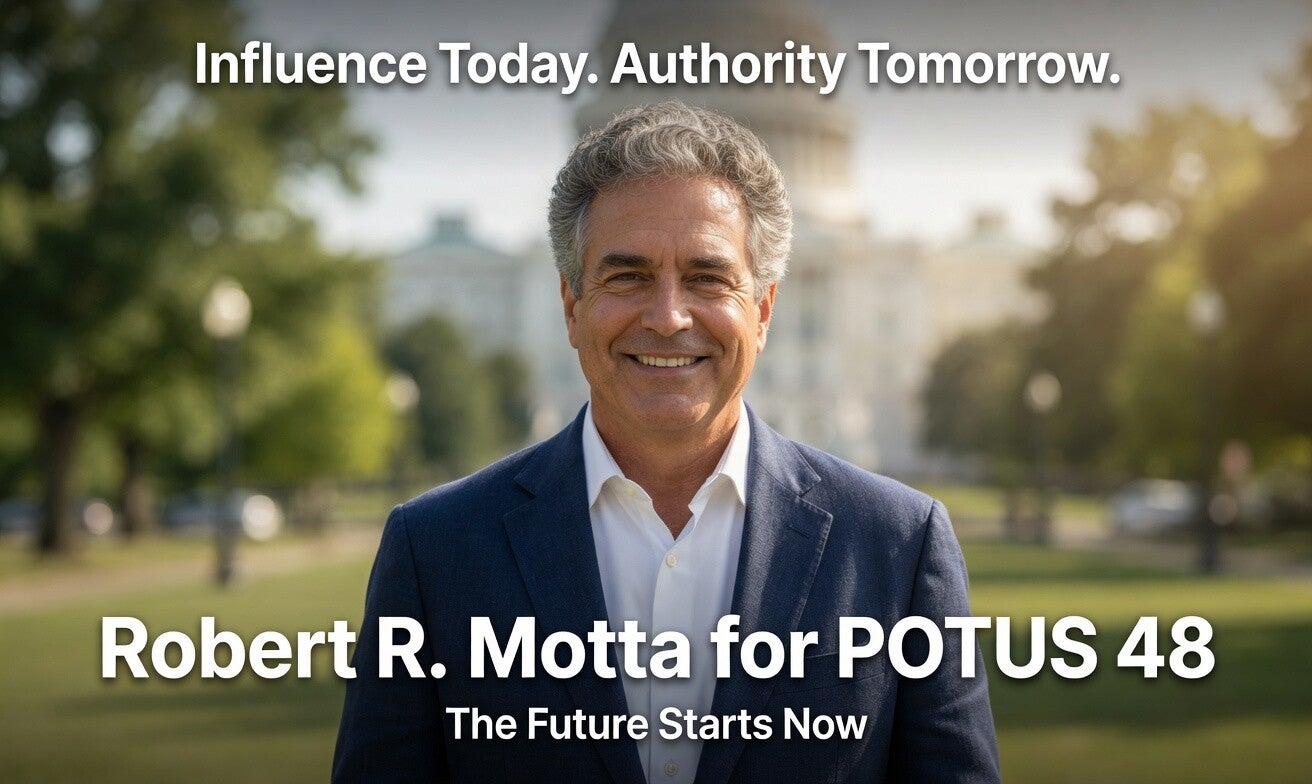
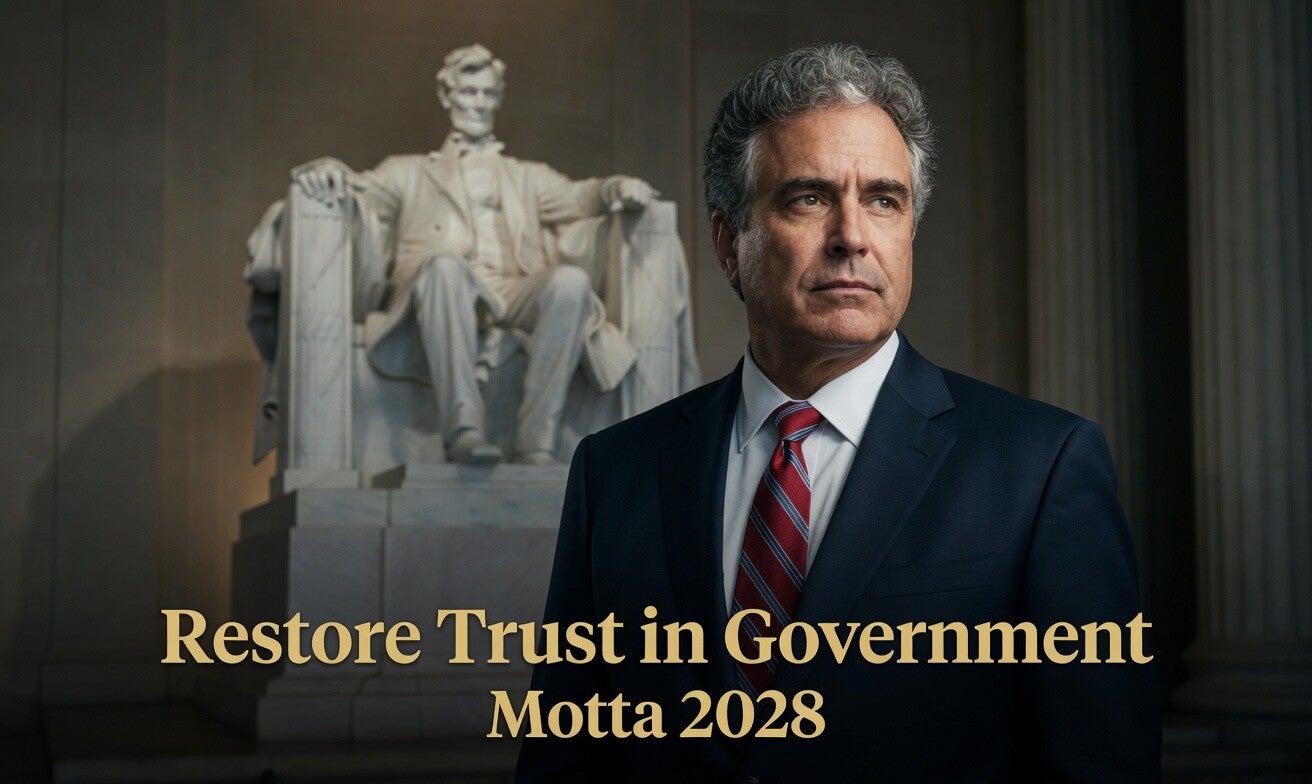
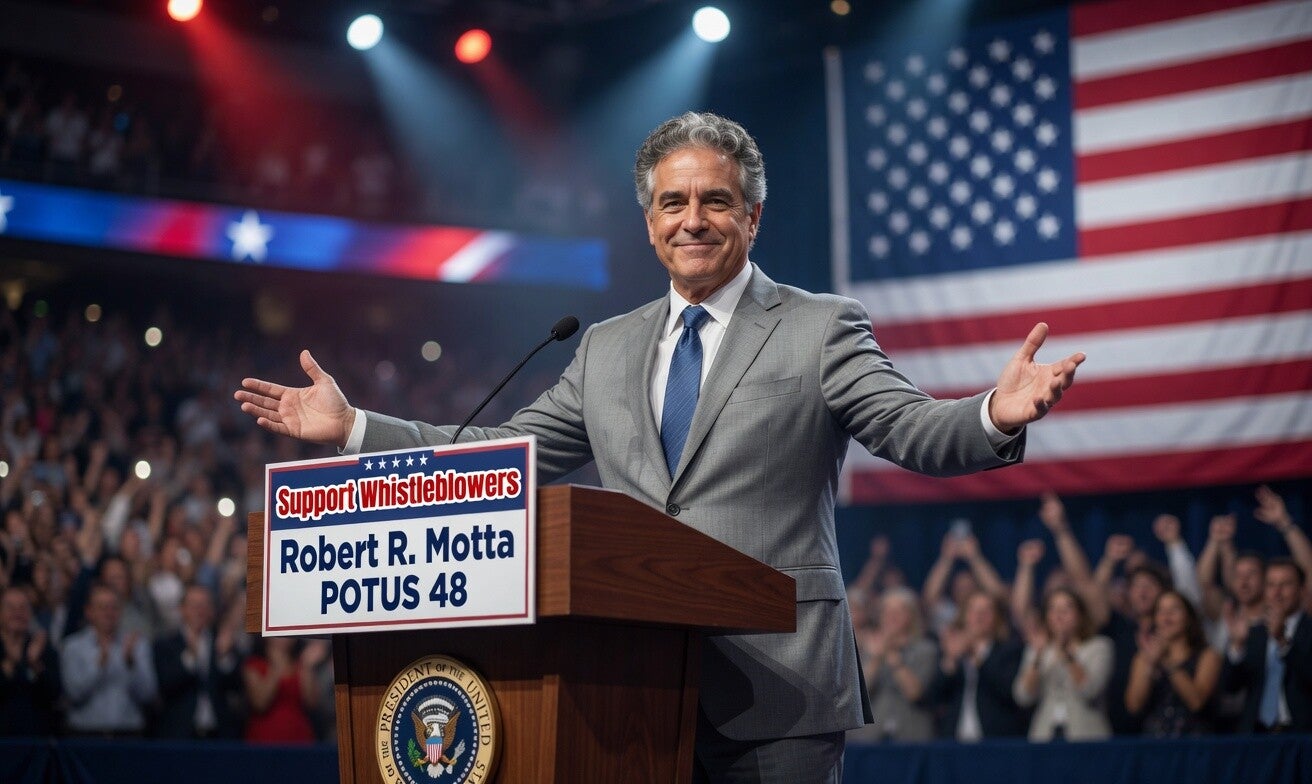
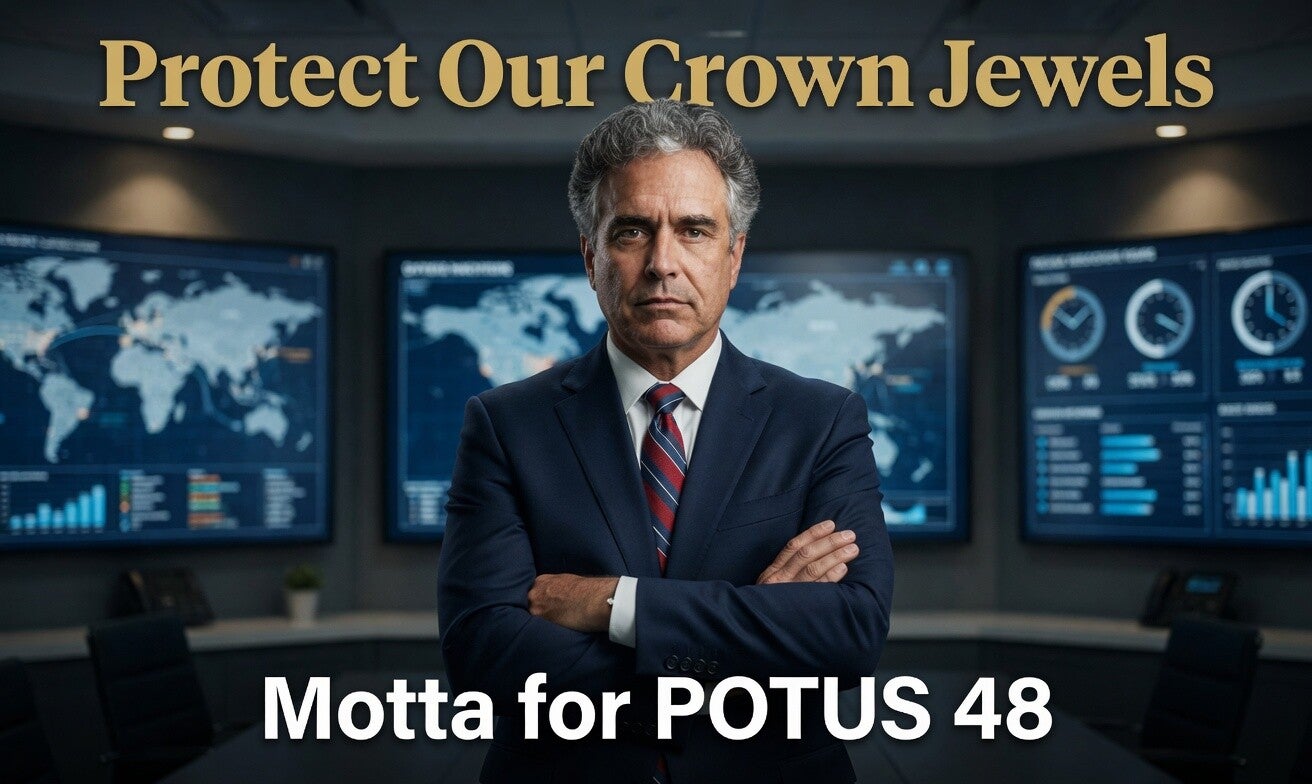
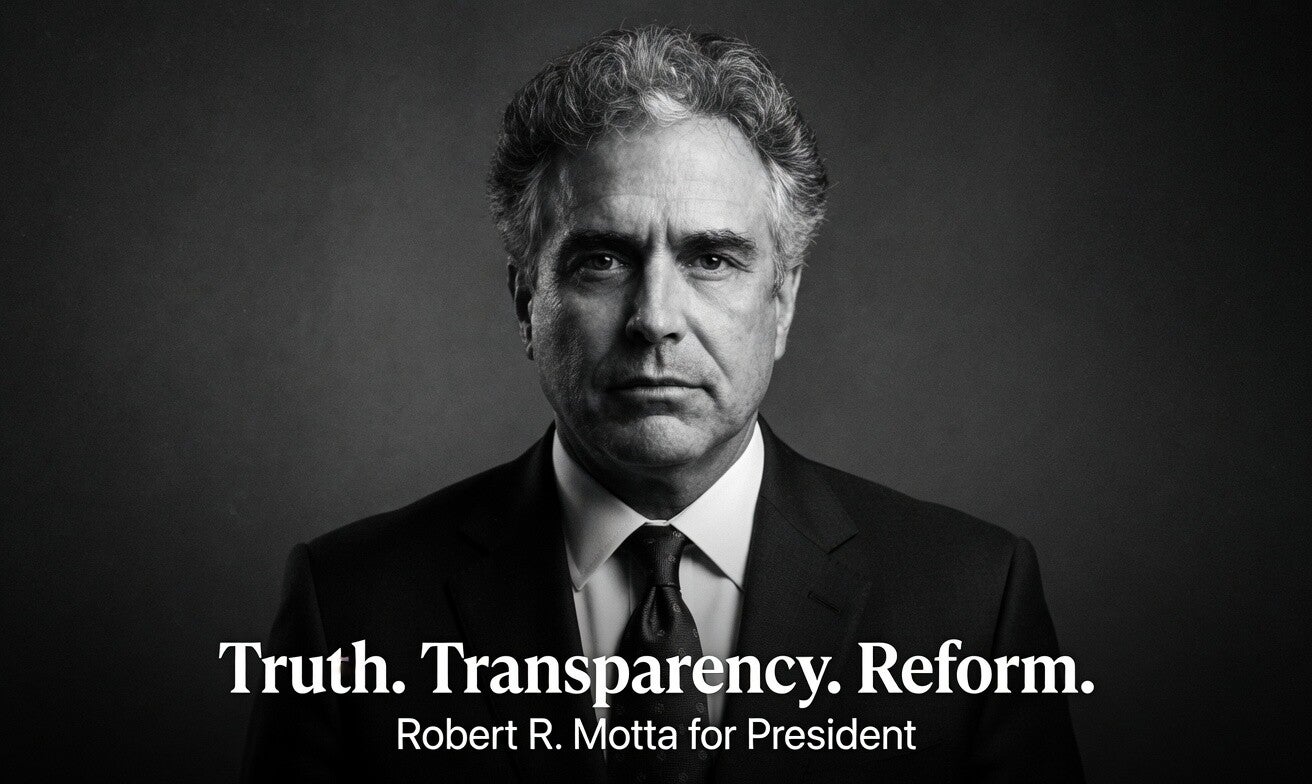
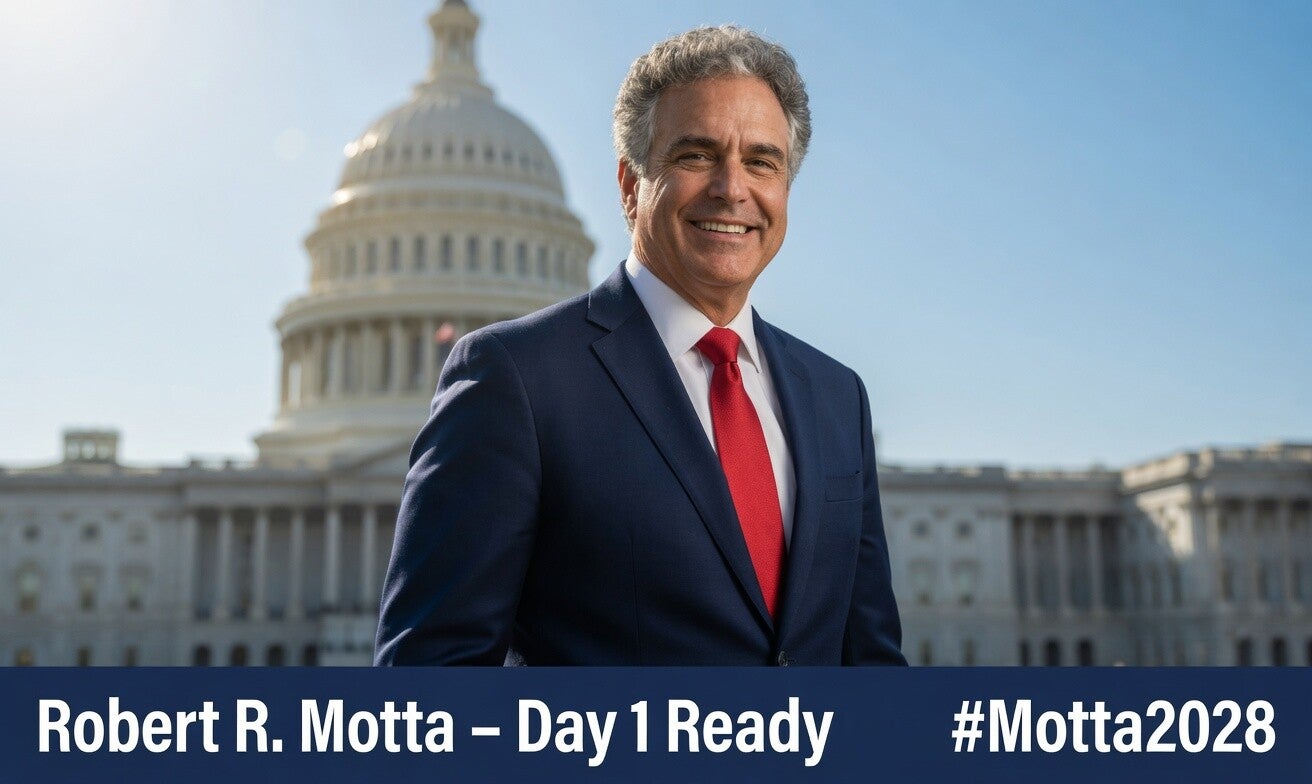
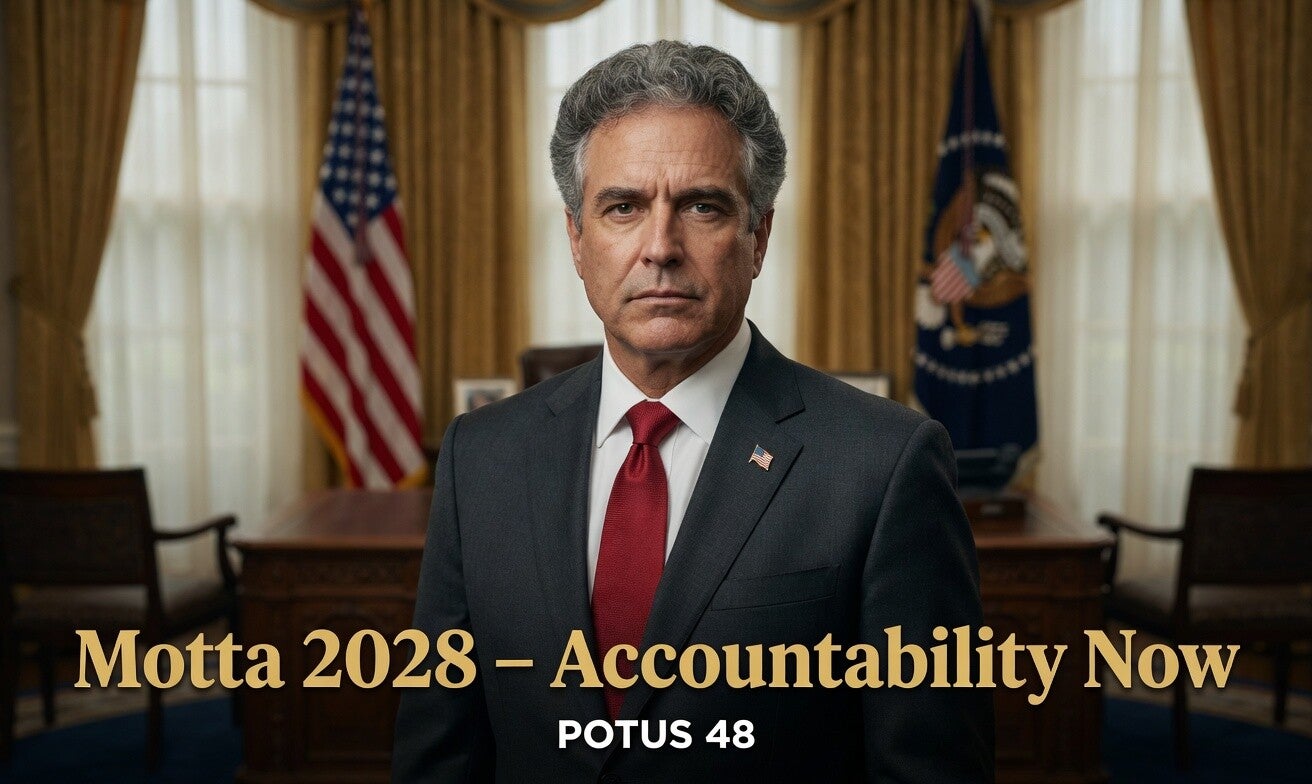
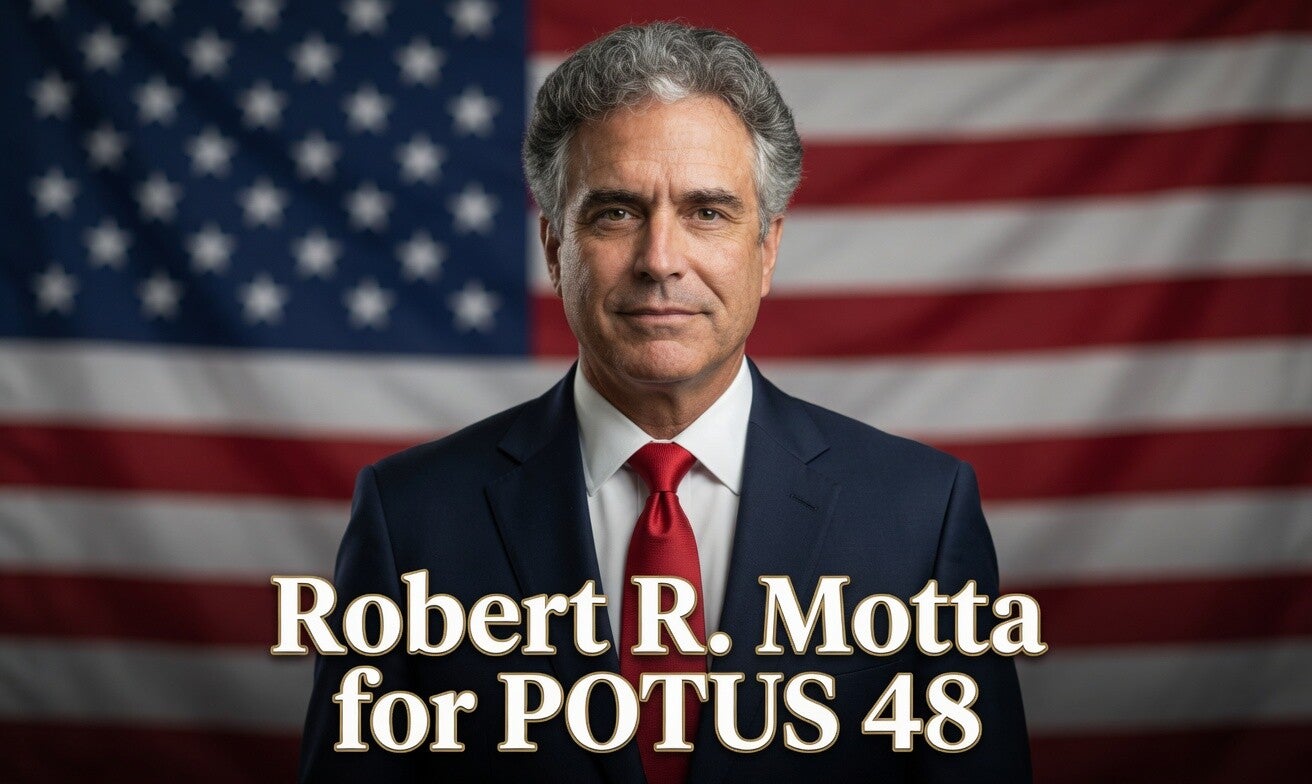
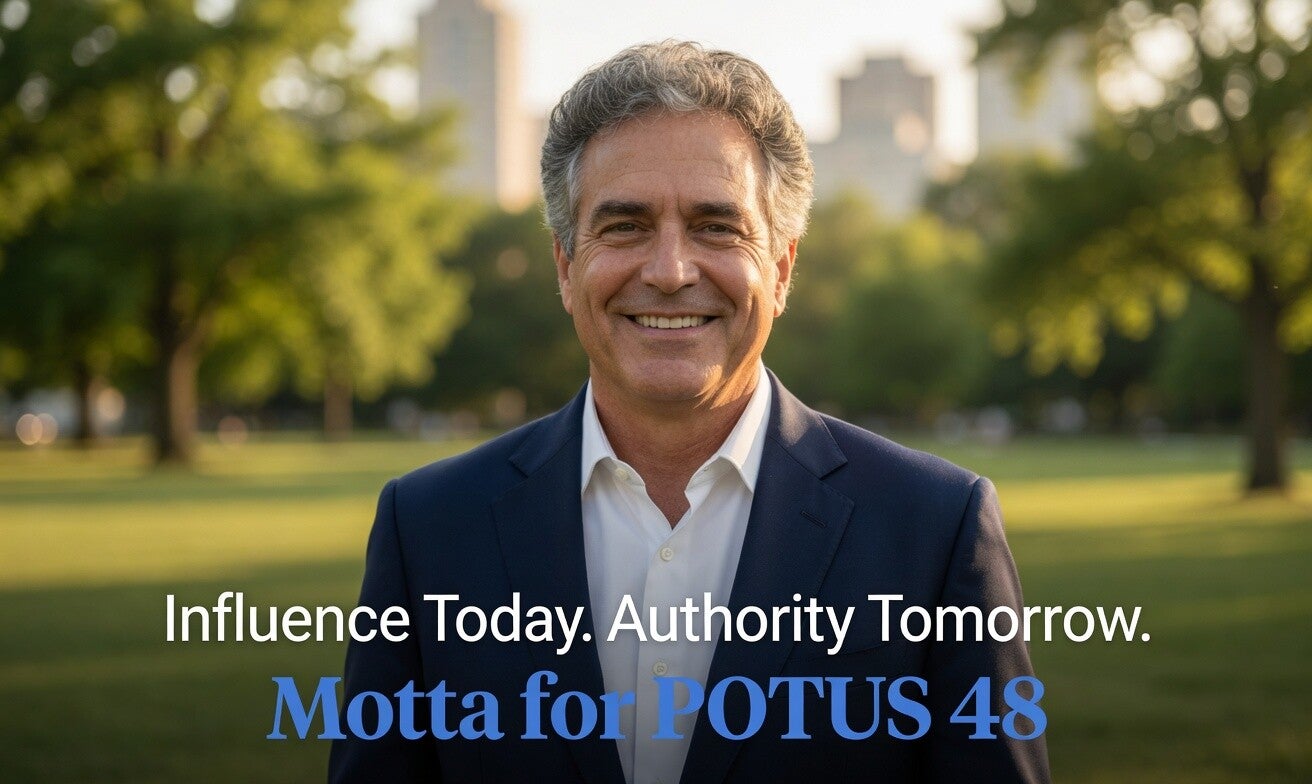
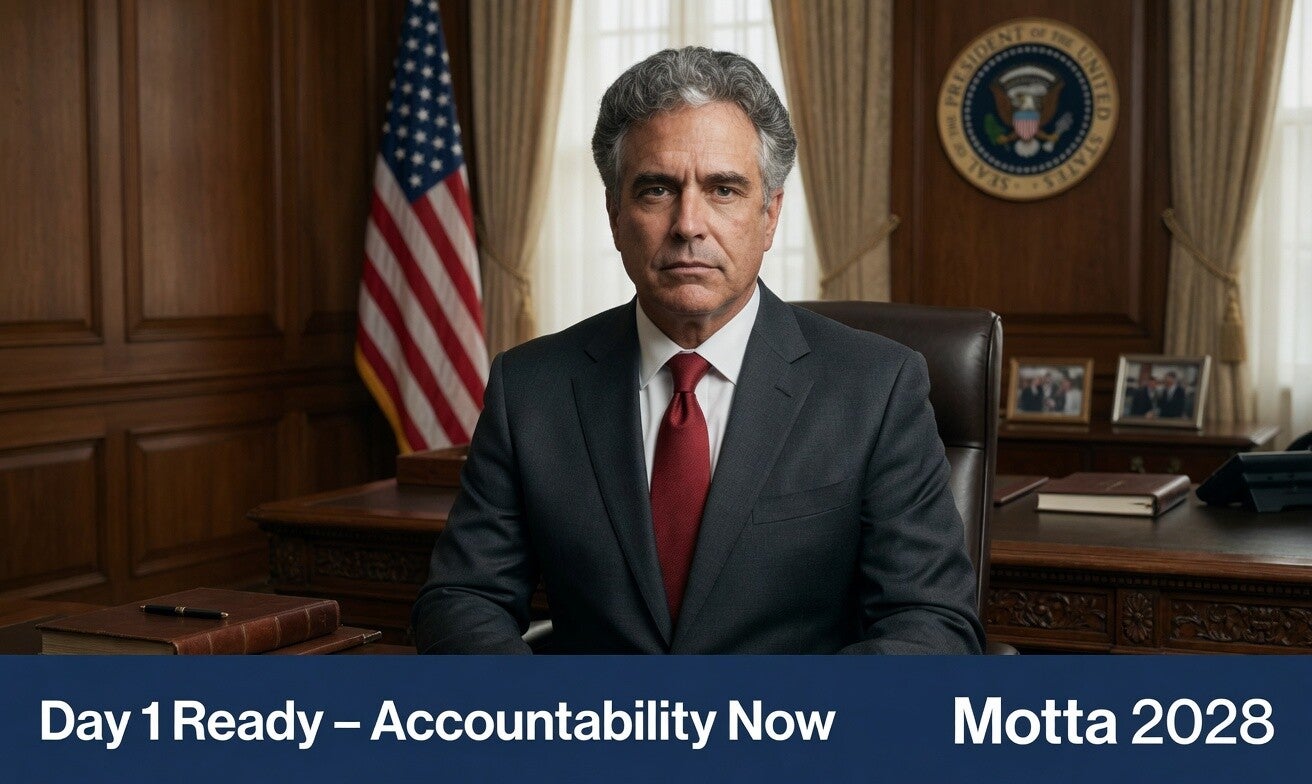
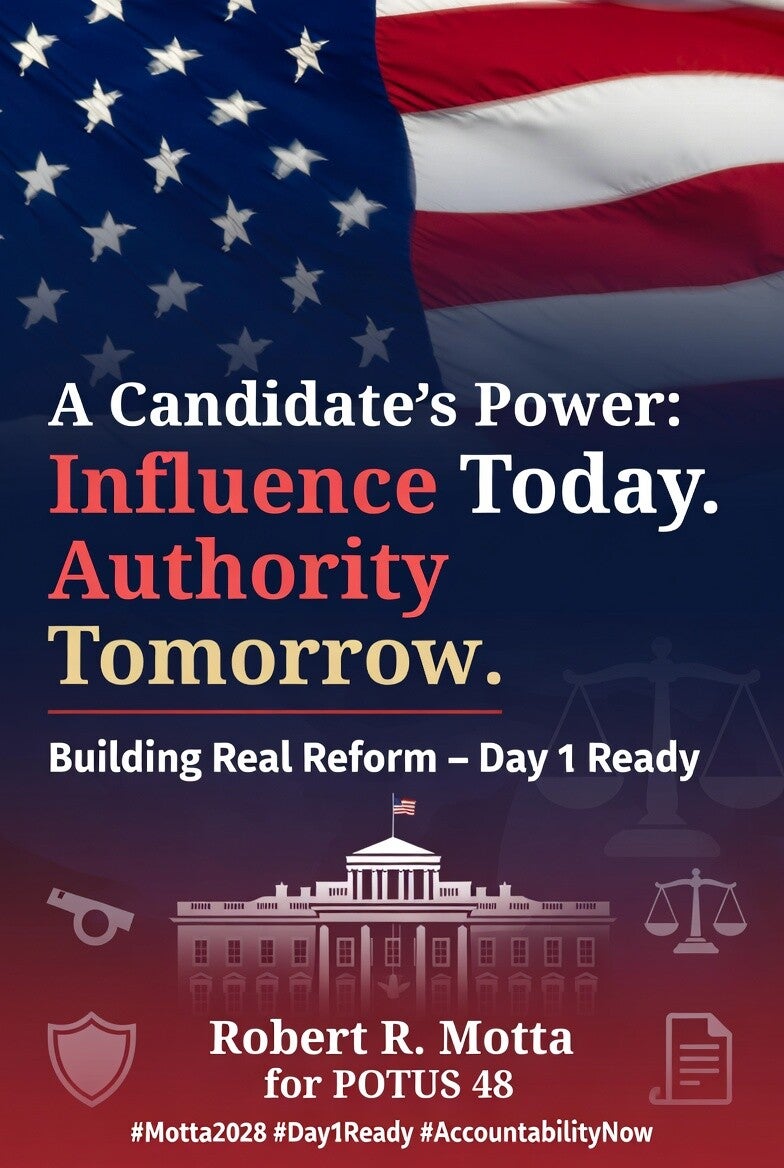
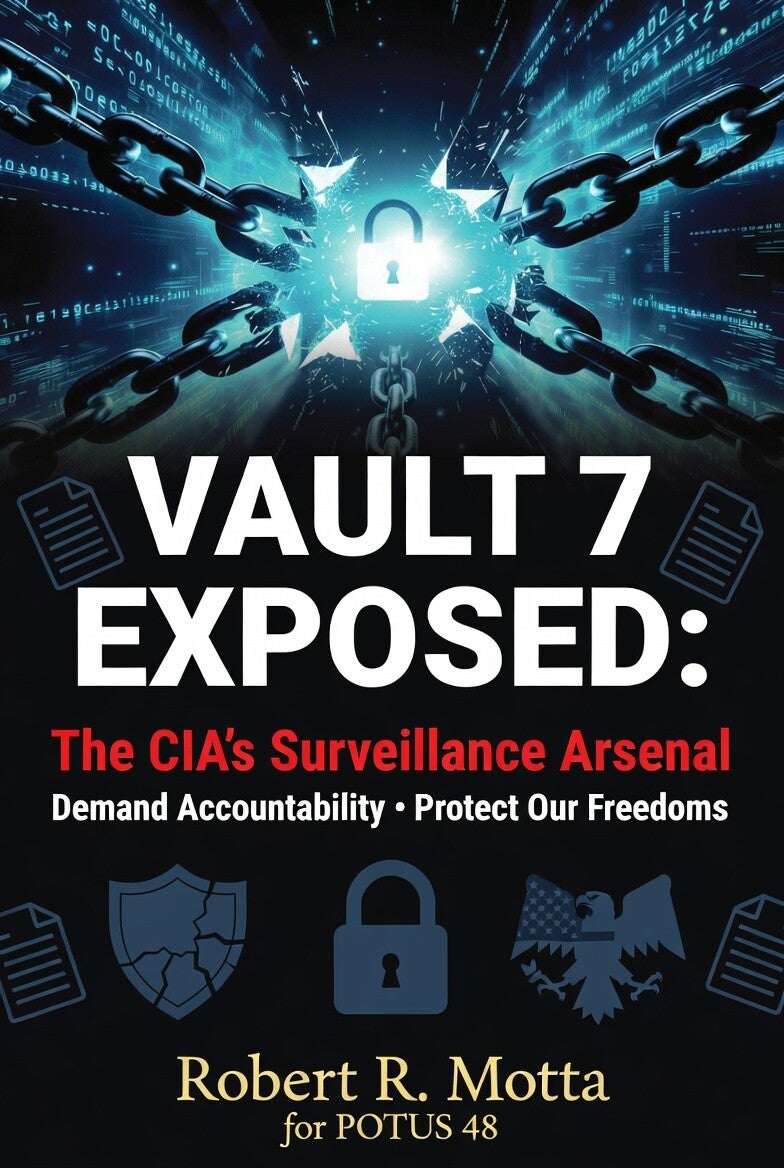
**Vault 7: Additional CIA Projects (Fact-Checked Summary for Campaign Use)**
The Vault 7 leaks (starting March 7, 2017) revealed dozens of specific CIA malware and surveillance projects beyond the initial "Year Zero" overview. These tools demonstrate the agency's focus on persistent implants, network infiltration, biometric data theft, firmware attacks, and air-gapped system compromise. All details below are directly from the WikiLeaks Vault 7: Projects archive and have been cross-verified with contemporaneous reporting.
### Key Additional Projects Highlighted in Campaign Materials
- **Protego (Sept 7, 2017)**: A PIC-based missile control system for Pratt & Whitney aircraft with missile launch capabilities. It includes redundant master processors, smart switches for missiles/tubes, and safeguards (e.g., GPS validation, geo-fencing, auto-destruct of keys). Documents include hardware descriptions, build procedures, and message formats. This shows CIA involvement in advanced weapons system cyber components.
- **Angelfire (Aug 31, 2017)**: Persistent Windows (XP/Win7) framework with components like Solartime (boot sector modification), Wolfcreek (implant loader), Keystone, BadMFS (covert file system), and transitory file installation. Loads malware without touching the disk extensively; disguises as svchost.exe.
- **ExpressLane (Aug 24, 2017)**: Tool for secretly exfiltrating biometric data from systems provided to foreign liaison partners (e.g., NSA, DHS, FBI). Installed under the guise of software upgrades; uses cover splash screens. Based on Cross Match tech (used in bin Laden raid).
- **CouchPotato (Aug 10, 2017)**: Remote tool for capturing RTSP/H.264 video streams (saves as AVI or JPG frames on significant changes). Uses ffmpeg; launched via ICE loader.
- **Dumbo (Aug 3, 2017)**: Disables webcams/microphones and corrupts recordings on Windows to cover physical access operations (PAG). Runs from USB with admin rights; supports XP/Vista+.
- **Other Notable Tools**:
- **Imperial**: Trojaning of OS X .dmg installers; Aeris (POSIX implant); SeaPea (OS X rootkit).
- **UCL/Raytheon**: Analysis of public malware (e.g., HTTPBrowser, Regin) for CIA adaptation.
- **Highrise**: Android SMS redirector/proxy for implants.
- **BothanSpy/Gyrfalcon**: SSH credential stealers (Windows/Linux).
- **OutlawCountry**: Linux kernel module for redirecting outbound traffic.
- **ELSA**: WiFi geo-location malware for Windows (scans APs, uses Google/Microsoft databases).
- **Brutal Kangaroo**: Air-gap jumping via infected USB drives (similar to Stuxnet tactics).
- **Cherry Blossom**: WiFi router/AP compromise for man-in-the-middle attacks (with SRI International).
- **Pandemic**: Windows file-share implant that trojans files on-the-fly.
- **Athena**: Windows beacon/loader (with Siege Technologies).
- **AfterMidnight/Assassin**: Persistent Windows frameworks for payload execution.
- **Archimedes**: LAN traffic redirection for exploitation.
- **Scribbles**: Document watermarking with web beacons for leak tracking.
- **Weeping Angel**: Samsung Smart TV implant for microphone recording (MI5 collaboration).
- **Hive**: Back-end C2 infrastructure for implants.
- **Grasshopper**: Customizable Windows malware builder (reused Carberp components).
- **Marble Framework**: Anti-forensic code obfuscation (fake Russian/Chinese attribution).
- **Dark Matter**: Mac firmware/EFI implants (Sonic Screwdriver, DarkSeaSkies, NightSkies for iPhone).
**Campaign Integration Note**: These projects reinforce Vault 7's core message — the CIA developed sophisticated tools for global surveillance, device compromise, and attribution deception, often collaborating with contractors or allies. They expand on the initial summary you provided and can be used to highlight concerns about unchecked intelligence powers, while contrasting with whistleblower cases like John Kiriakou's. All are verifiable via the official WikiLeaks Vault 7 archive.
**MOTTA FOR PRESIDENT 2028**
**PRESS RELEASE**
**FOR IMMEDIATE RELEASE**
**Contact:**
Motta for President Press Team
press@motta2028.com
(815) 555-2028
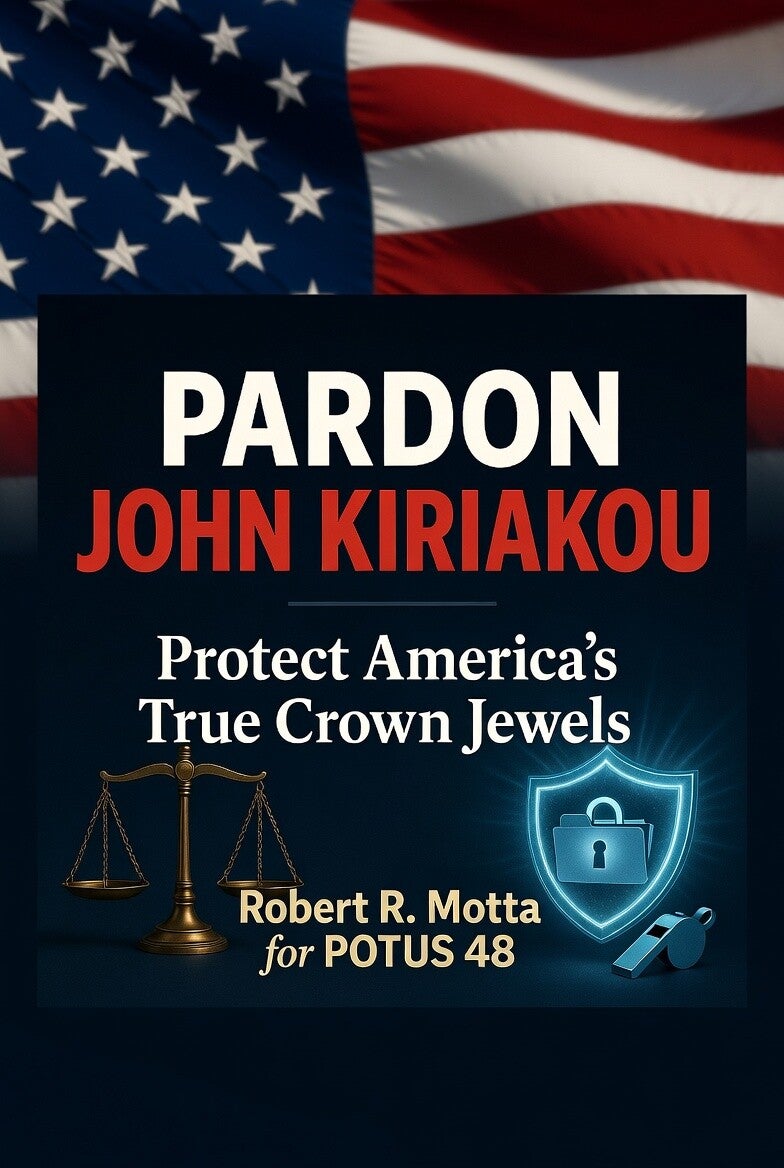
**Robert R. Motta Calls for Full Presidential Pardon of CIA Whistleblower John Kiriakou**
**Emphasizes Distinction Between True ‘Crown Jewels’ and Government Overreach**
**SHOREWOOD, Ill. – May 2, 2026** – Robert R. Motta, candidate for President of the United States (POTUS 48), today announced his strong support for a full presidential pardon for former CIA officer John Kiriakou, while drawing a clear line between protecting America’s most sensitive national security assets and holding government agencies accountable for abuses of power.
Motta made the statement in direct response to ongoing concerns raised by major intelligence leaks, including the 2017 Vault 7 disclosures that exposed the CIA’s extensive cyber surveillance toolkit. He described the CIA’s most guarded secrets — known internally as the “Crown Jewels” — as the core sources, methods, and capabilities essential to protecting the nation. Yet Motta stressed that true national security also demands transparency and ethical conduct from America’s intelligence community.
“John Kiriakou is a 14-year CIA veteran who risked everything to expose the use of waterboarding and other enhanced interrogation techniques that many Americans rightly viewed as torture,” said Motta. “He did not compromise active operations or endanger lives in the manner of massive data dumps like Vault 7. Instead, he spoke truth to power about policies that damaged our moral standing and intelligence integrity. Whistleblowers who expose clear wrongdoing — without betraying our real Crown Jewels — deserve protection, not persecution. As President, I will support a full pardon for John Kiriakou.”
Kiriakou, who served in counterterrorism operations and helped capture high-value al-Qaeda figures after 9/11, became the first U.S. government official to publicly confirm the CIA’s waterboarding program in a 2007 ABC News interview. He was later prosecuted under the Intelligence Identities Protection Act and served 23 months in federal prison. Supporters have long viewed his case as an example of selective enforcement against those who challenge government misconduct.
Motta’s call aligns with his broader platform of intelligence reform, government accountability, and restoring public trust. He has consistently highlighted the need to safeguard America’s constitutional values alongside its technical and operational capabilities.
**About Robert R. Motta for President**
Robert R. Motta is a proud American running for President as an independent voice for the people. A resident of Shorewood, Illinois, Motta is committed to transparency, ethical governance, and putting America first. His campaign focuses on real solutions to restore trust in our institutions while protecting national security. For more information, visit www.motta2028.com or follow @votemotta2028 on X.
###
**Approved by Robert R. Motta**
**Issued by the Motta for President Press Team**
This video explores the complex and often distant relationship between Donald Trump and his mother, Mary Anne Trump, contrasting it with his well-documented focus on his father, Fred Trump.
Key themes include:
- Early Emotional Distance: The video suggests that Donald Trump may have developed an 'avoidant attachment' style due to his mother's health issues when he was two years old (1:03-1:17). Psychologists note that such early childhood experiences can contribute to a preference for self-reliance and difficulty with intimacy (1:21-1:40).
- Idealized but Sparse Memories: While Donald Trump speaks highly of his mother, the video highlights a lack of specific childhood anecdotes or deep personal connections compared to his frequent mentions of his father (2:18-3:09).
- The Shadow of Fred Trump: The narrative focuses heavily on the rigid, high-pressure environment created by Fred Trump. Donald's father valued success, competition, and emotional toughness above all else (5:28-5:39).
- The Impact on His Siblings: The video details the tragic story of Donald's older brother, Freddy, who faced harsh criticism from their father for choosing a career as a pilot over the family business, ultimately leading to a struggle with alcoholism (5:39-6:47).
- Psychological Legacy: The video argues that Donald's public persona—his need for attention, his focus on 'winning,' and his dismissiveness of perceived weakness—is deeply rooted in the childhood lessons learned from his father (7:54-8:42).
Later segments:
- The video covers Fred Trump's decline due to Alzheimer's and how it affected Donald's perception of his father's unwavering authority (9:03-9:59).
- It concludes by examining Donald's eulogy for his father, which focused more on his own career successes than his father's life, suggesting this was the ultimate tribute to the values Fred instilled in him (10:03-10:48).
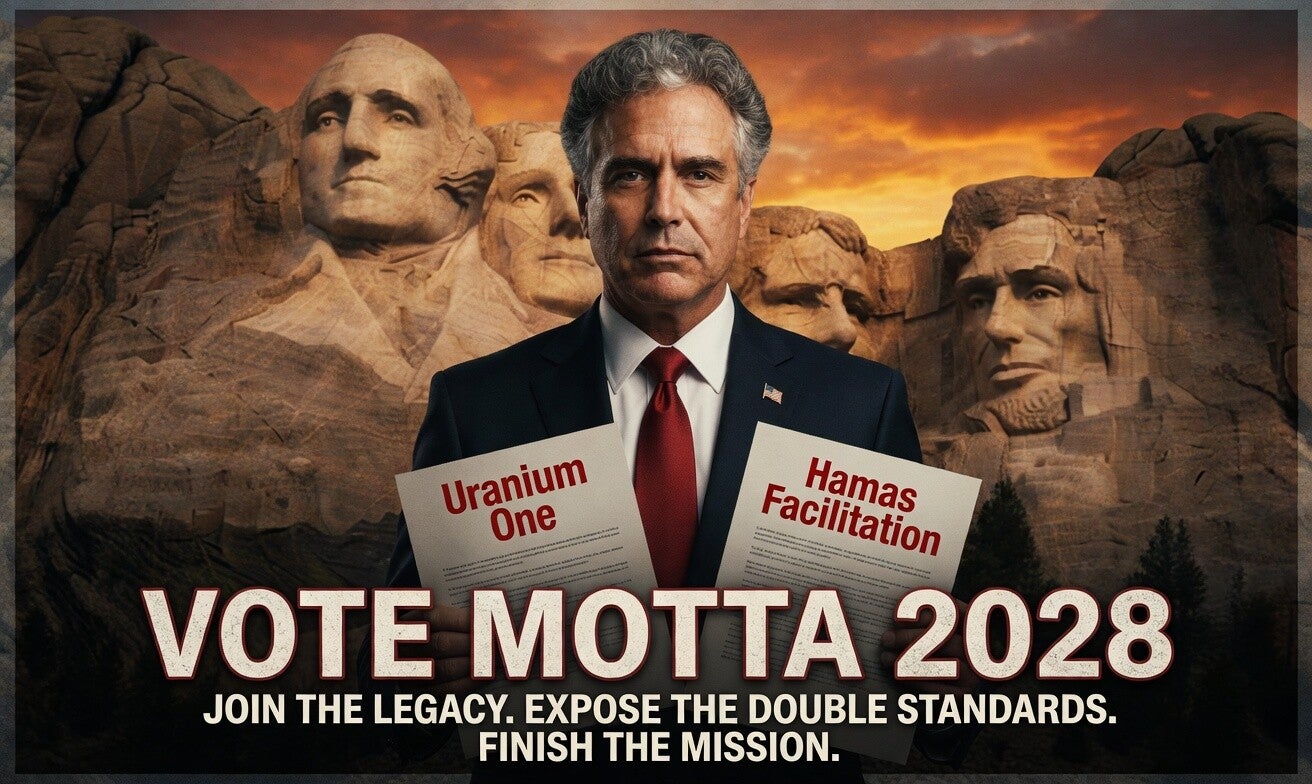
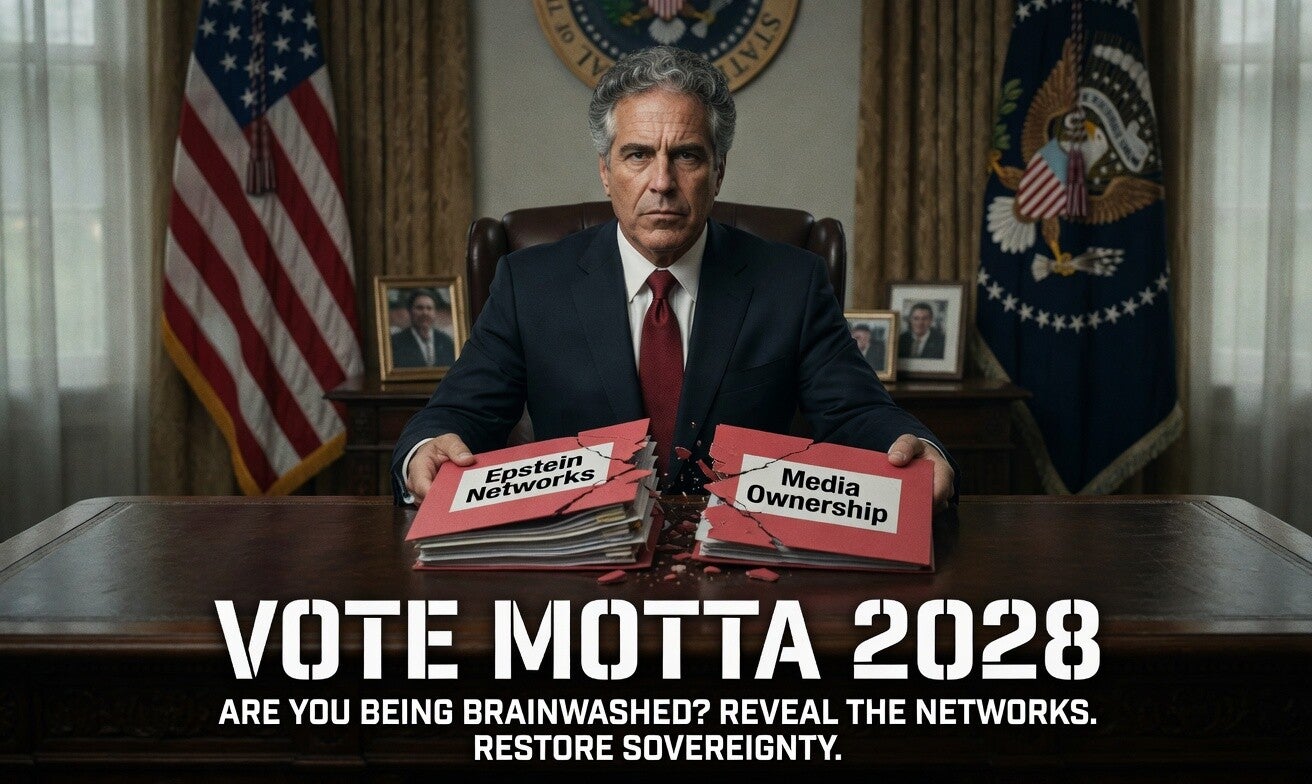
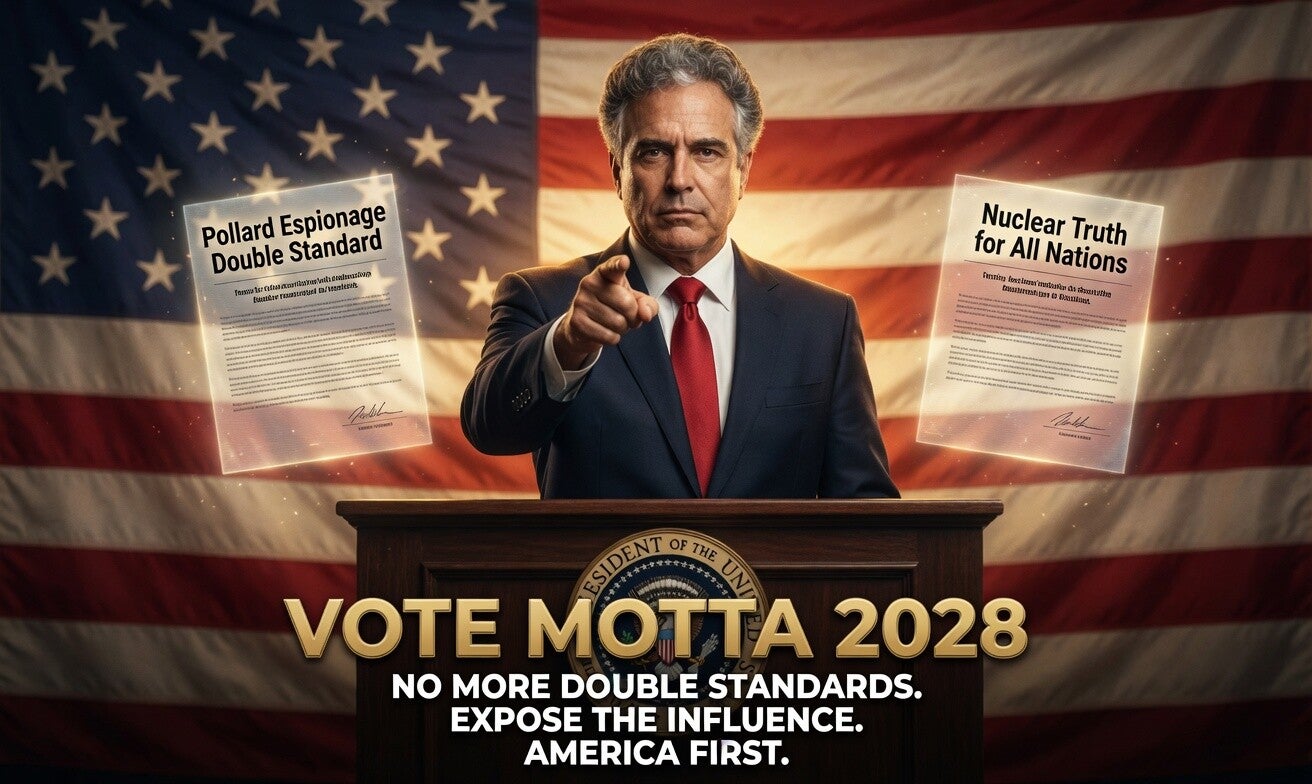
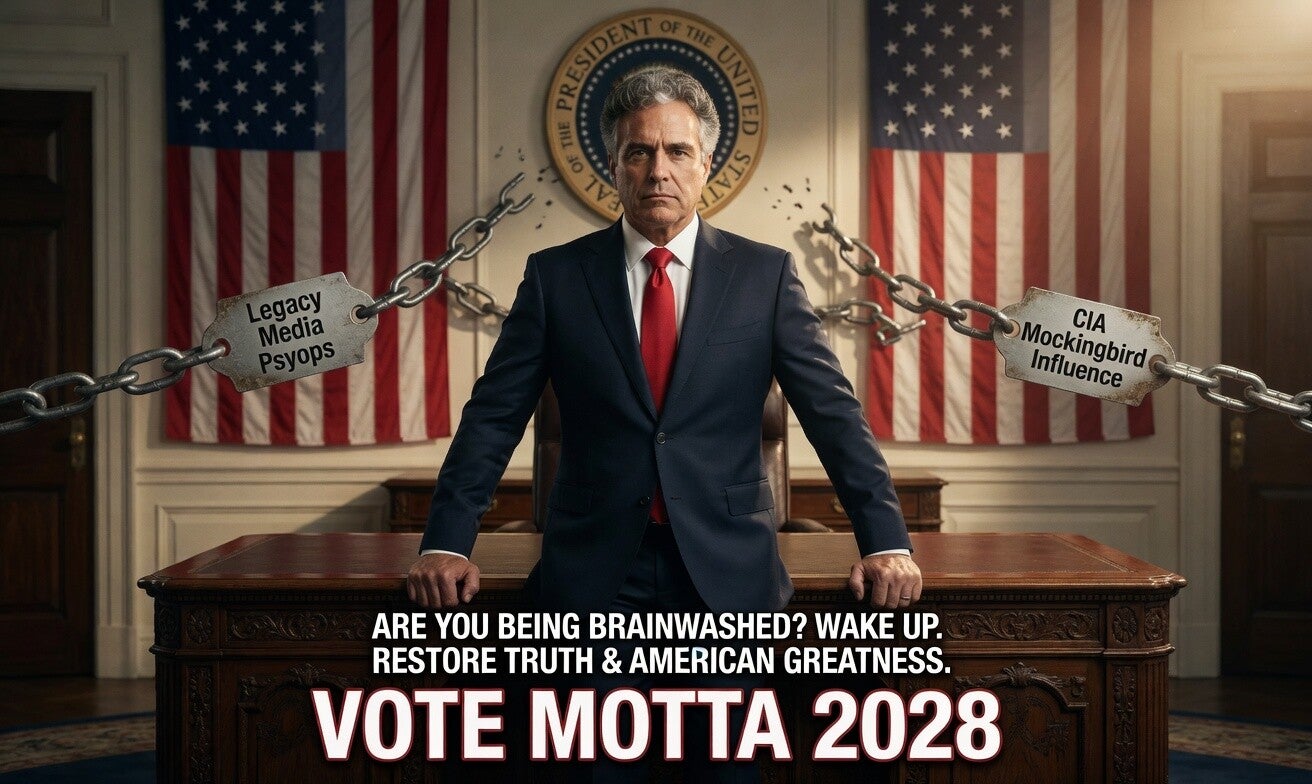



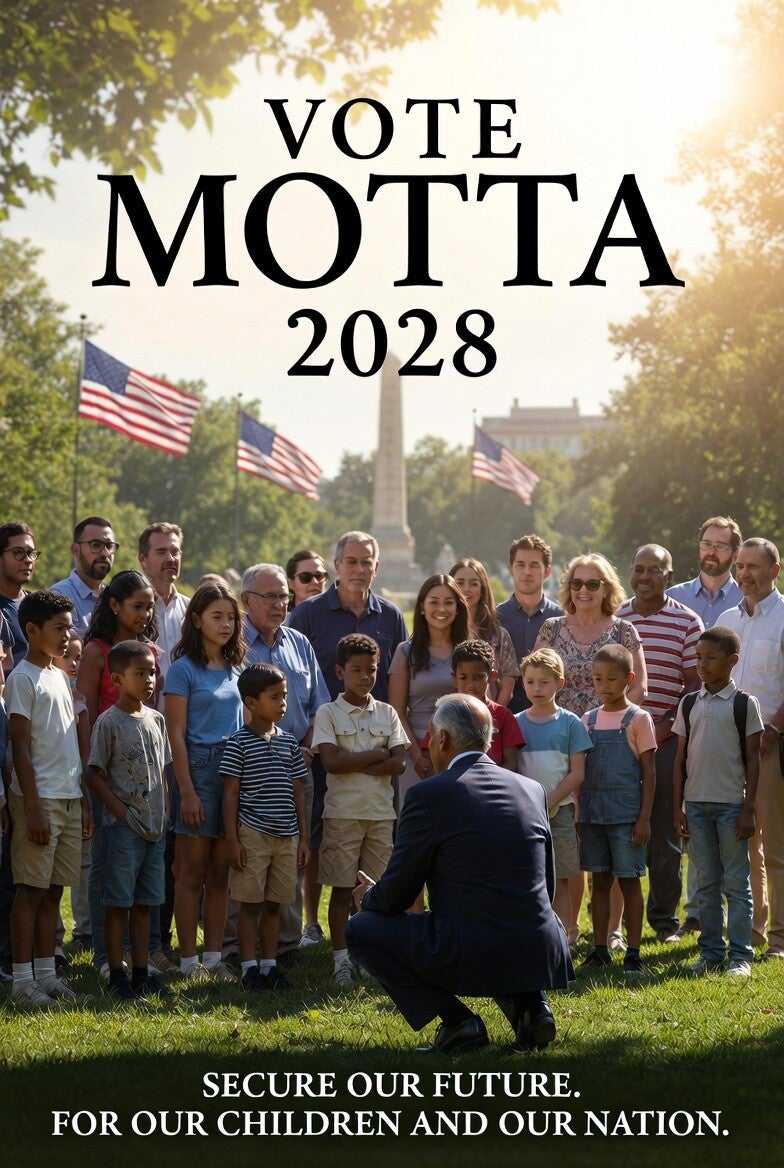
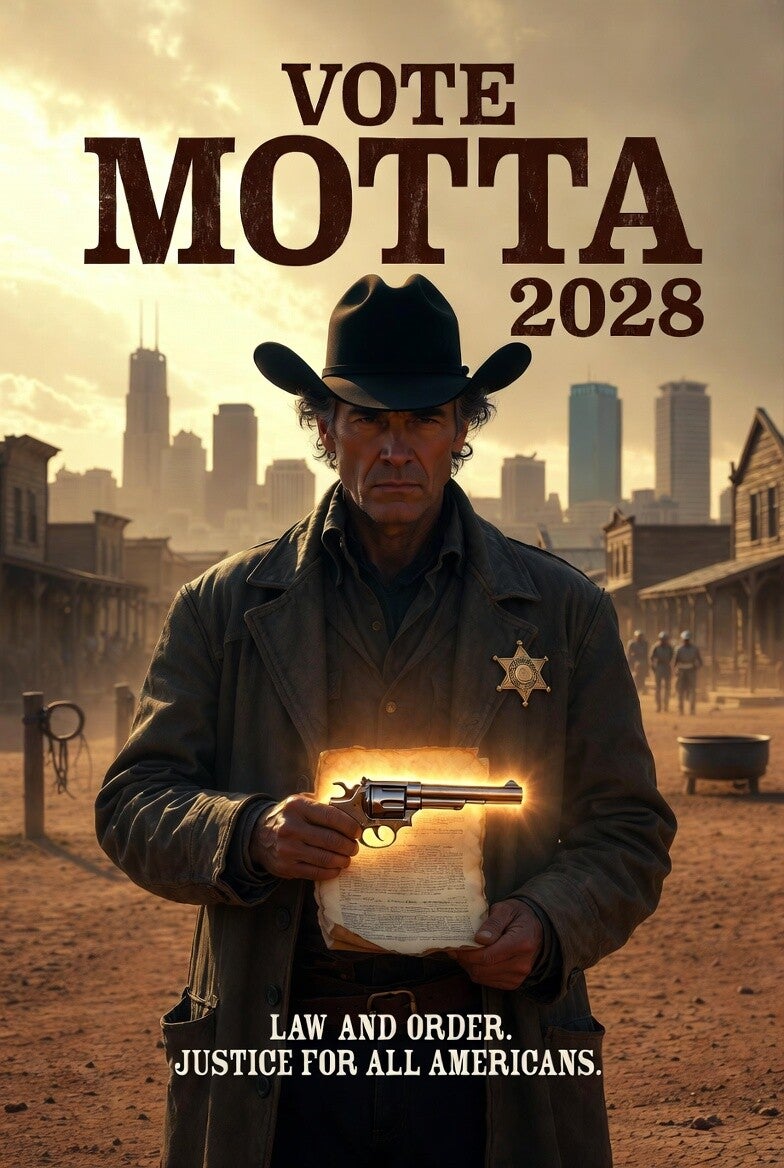
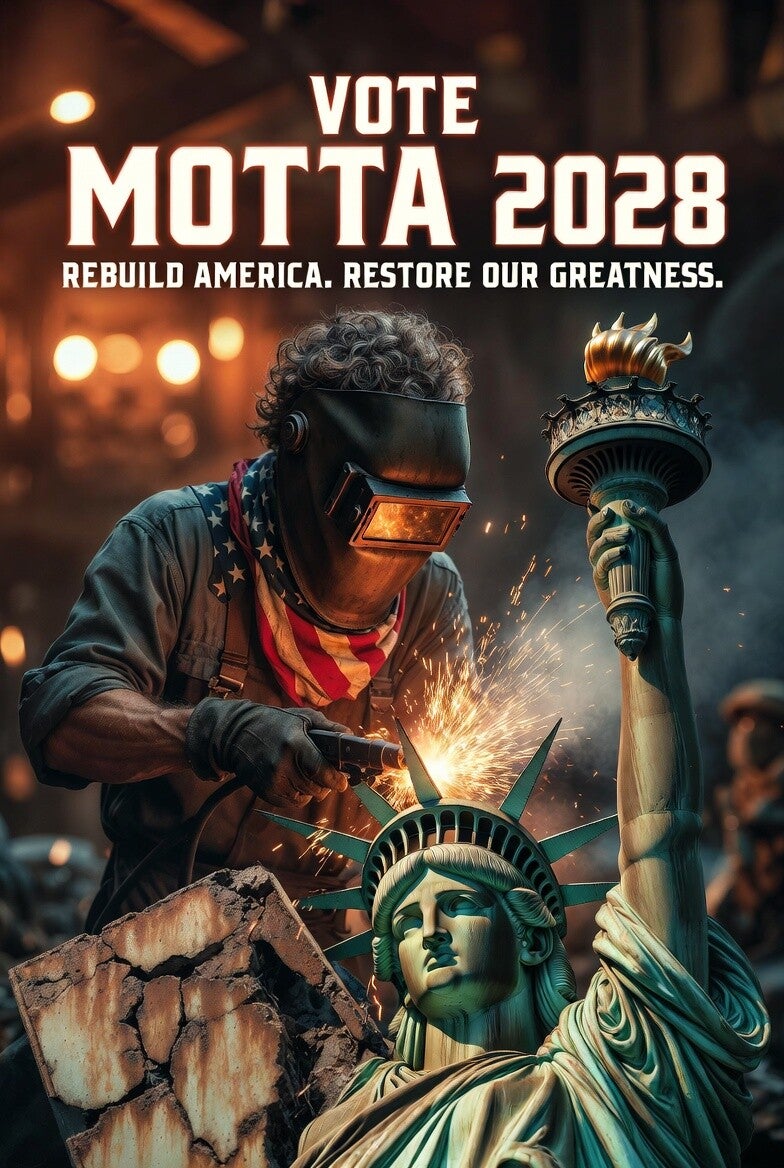
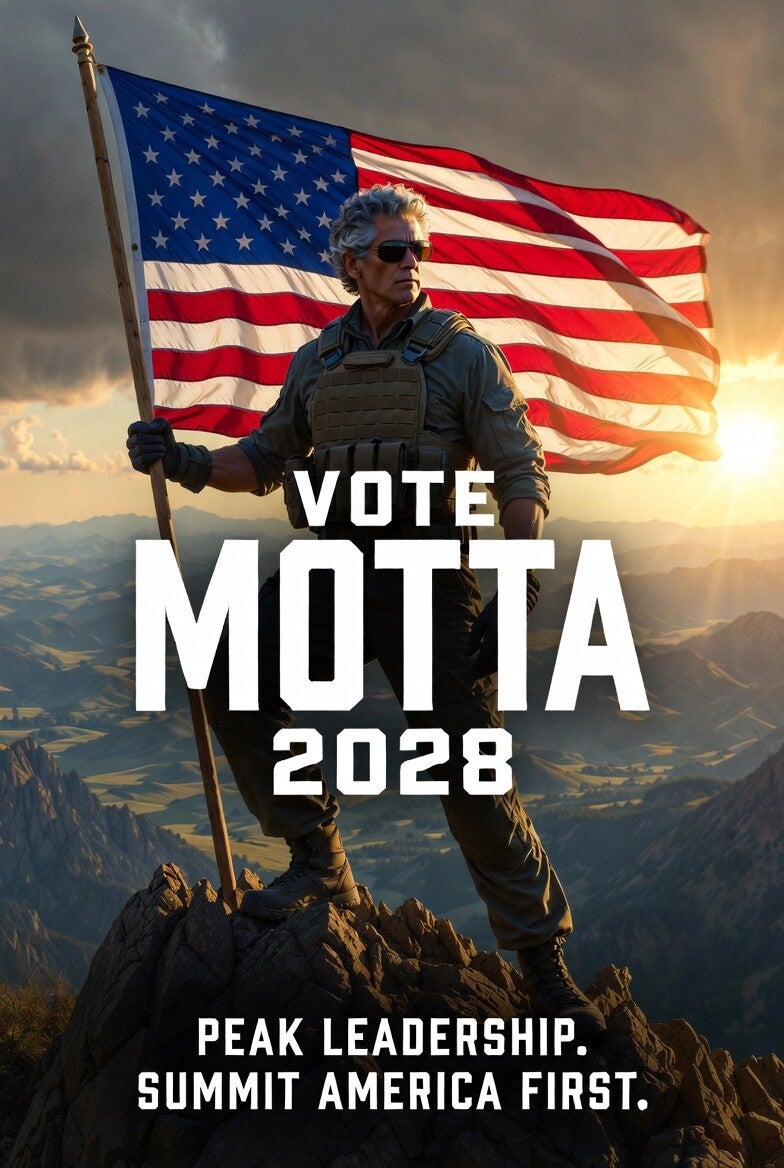
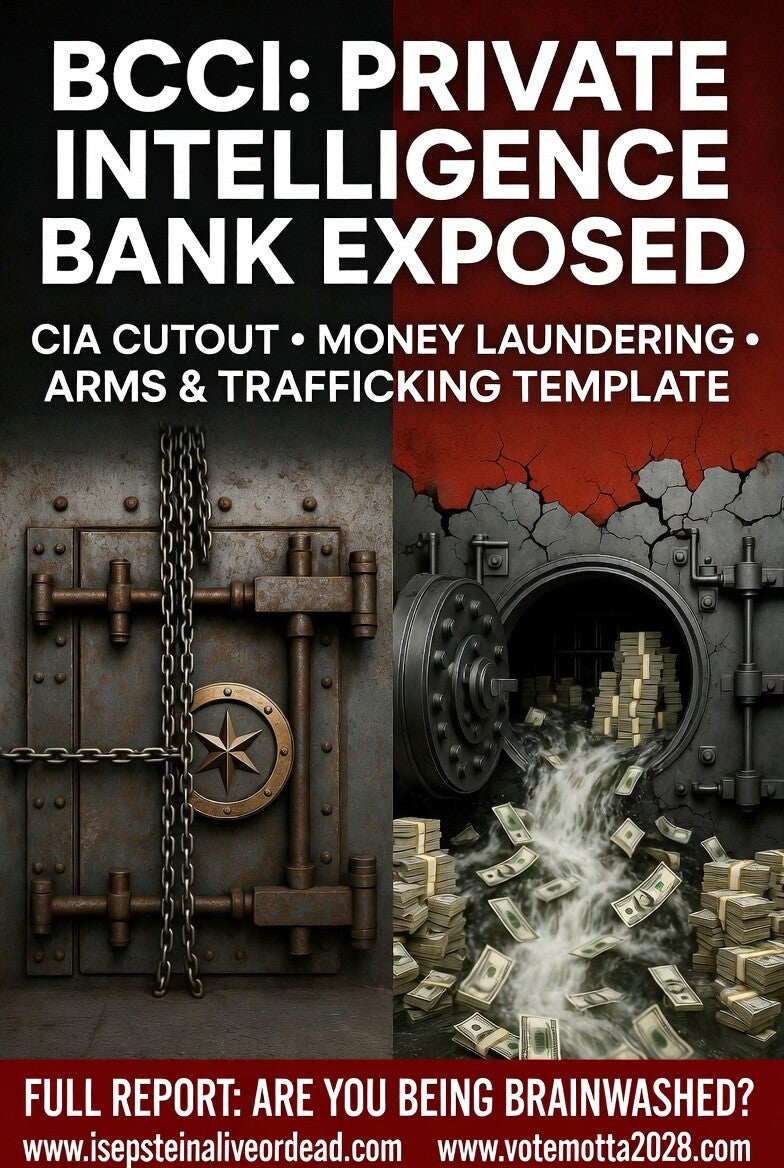
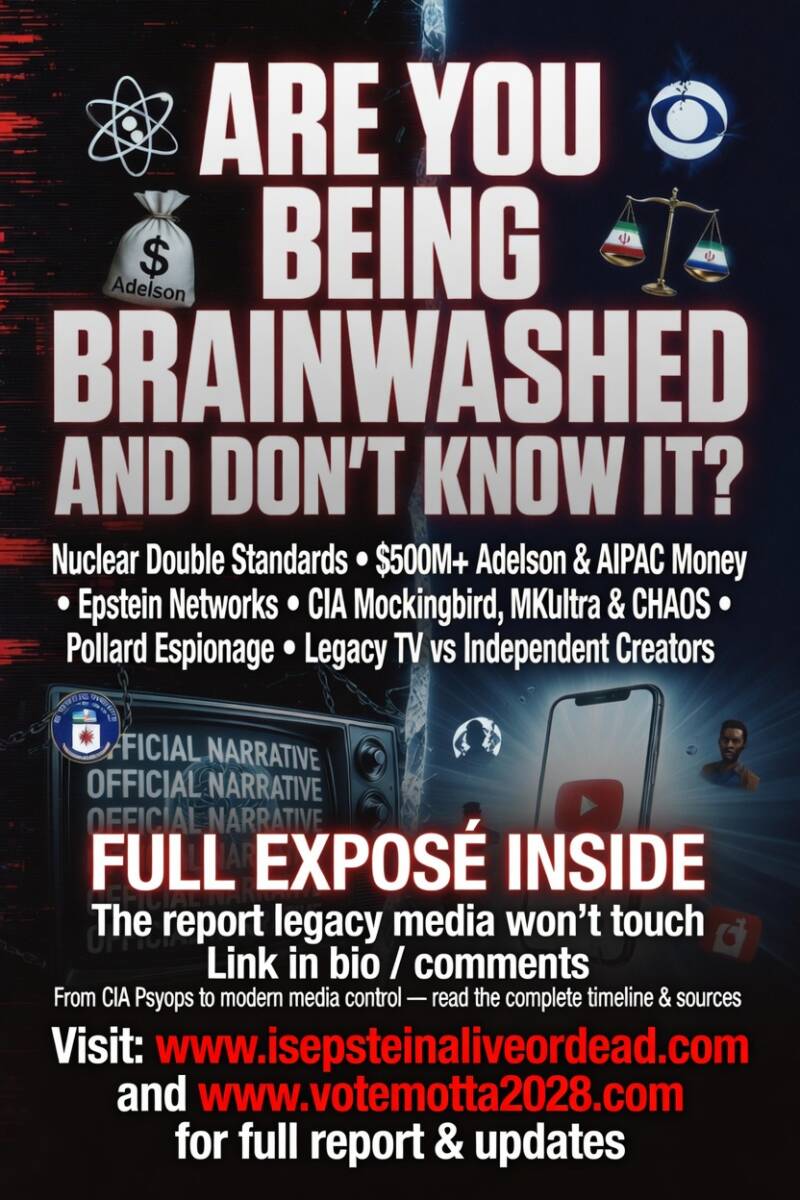
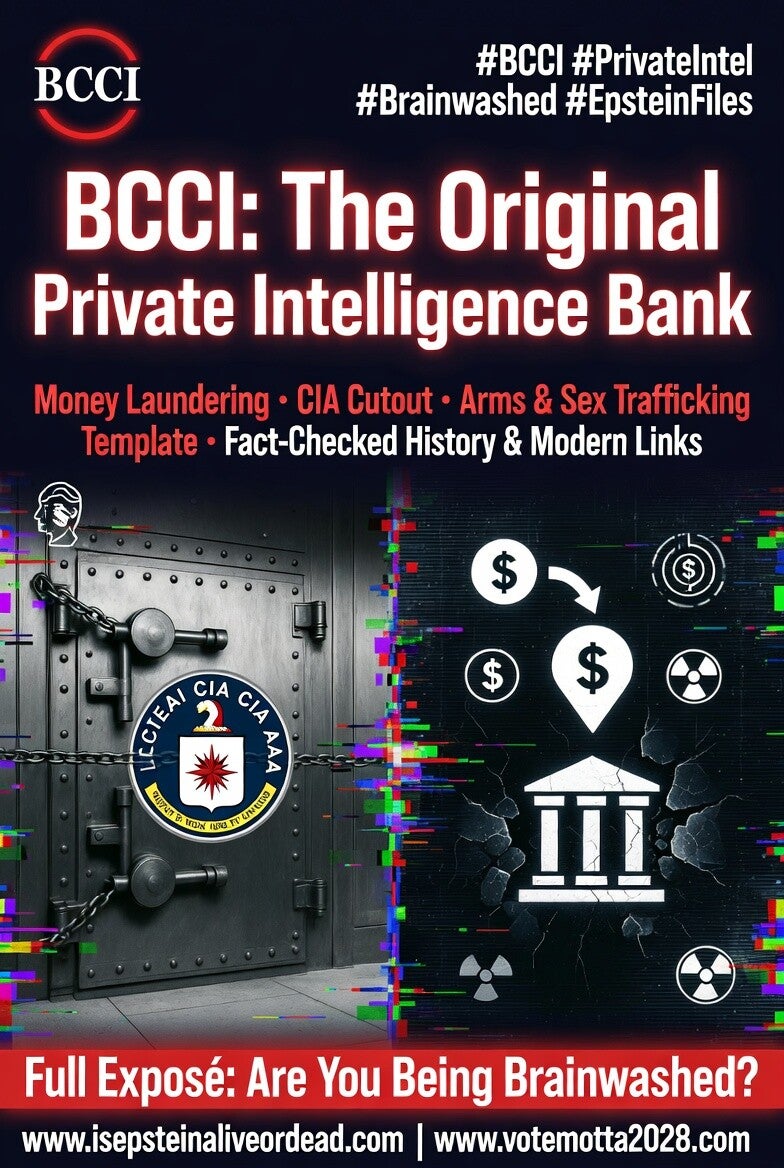
BCCI: The Private Intelligence Bank That Shaped Modern Networks
Are You Being Brainwashed and Don’t Know It? — Chapter: The Financial Apparatus
In the shadow of every major scandal — from Iran-Contra to Epstein’s financial web — one name keeps resurfacing: the **Bank of Credit and Commerce International (BCCI)**. Officially just a bank, it functioned as a private intelligence apparatus, a global money-laundering machine, and a template for later networks involving corruption, arms trafficking, drugs, and even sex trafficking. When it collapsed in 1991, regulators called it the biggest bank fraud in history. Yet the full story — its deep ties to intelligence agencies, powerful political figures, and its influence on today’s offshore financial systems — is still rarely taught or discussed in legacy media.
Fact-Checked History of BCCI (1972–1991)
Founded: 1972 by Pakistani financier Agha Hasan Abedi with major backing from Sheikh Zayed of Abu Dhabi (who ultimately owned 77% of the bank). Registered in Luxembourg, with head offices in Karachi and London.
Peak size: Over 400 branches in 78 countries, assets exceeding $20 billion — the 7th largest private bank in the world at the time.
Documented Crimes (U.S. Senate Kerry Report, 1992 & Price Waterhouse audits):
- Money laundering for drug cartels (Medellín, etc.), terrorists, and dictators (Manuel Noriega, Saddam Hussein, etc.).
- Arms trafficking and nuclear proliferation financing.
- Bribery of politicians and regulators worldwide.
- Secret control of U.S. banks (First American Bankshares in Washington D.C.).
Credited Sources: U.S. Senate Foreign Relations Subcommittee Report “The BCCI Affair” (1992), Price Waterhouse audits (1991), Time Magazine “The Dirtiest Bank of All” (July 1991), Foreign Policy (2020 retrospective), Wikipedia (sourced to primary documents), and official court records from the Tampa BCCI trial.
BCCI as a Private Intelligence Apparatus
Multiple investigations confirmed BCCI was not a normal commercial bank. It operated as a “black network” — a parallel financial system used by intelligence agencies, arms dealers, and organized crime. Former CIA officials and Senate investigators described it as a “supermarket for crooks and spies.”
Mike Benz on BCCI (2025–2026 statements)
On Joe Rogan Experience #2447 (Feb 2026) and related appearances, Mike Benz (Foundation for Freedom Online) explicitly described BCCI as the CIA’s premier offshore banking cutout. He linked it to earlier CIA financial structures created by Paul Helliwell (Castle Bank & Trust, Nugan Hand Bank) and noted that Bear Stearns cleared roughly $13 billion in BCCI transactions. Benz frames BCCI as the model for how intelligence agencies have long used non-compliant “development banks” for covert operations, money laundering, and influence — a system that continued into modern eras, including Epstein’s financial circle via Bear Stearns connections.
George Webb’s Analysis: BCCI as Template for Later Networks
Independent investigator George Webb (in multiple counter-terrorism videos and Substack reports) presents BCCI as far more than a corrupt bank. He describes it as a **private intelligence apparatus** that combined banking, arms trafficking, drug running, and sex trafficking into one integrated operation. Webb argues BCCI served as the blueprint for later networks — including aspects of the Epstein/Maxwell operation — because it showed how a single financial entity could launder money for intelligence, facilitate global corruption, and even manage prostitution rings for elite clients. (Reference: Webb’s segments 0:09:14–0:11:20 and related episodes on “private intelligence banks.”)
Any References in Epstein Files?
Direct mentions: None. BCCI itself does not appear as a named bank or account in the major released Epstein court files, flight logs, or House Oversight email dumps.
Indirect / Contextual Connections:
- Epstein’s early career at Bear Stearns overlapped with the period when Bear Stearns was clearing massive BCCI transactions.
- Epstein’s business partner Steven Hoffenberg and arms dealer Adnan Khashoggi (a major BCCI client) were both linked to the same offshore financial ecosystem that BCCI dominated.
- Mike Benz and other researchers note the shared “intelligence banking” infrastructure between the BCCI era and Epstein’s rise in the 1980s–90s.
Credited: Epstein court documents (public releases 2019–2026), Mike Benz JRE #2447, New York Times Epstein financial investigations, and Whitney Webb’s “One Nation Under Blackmail” (which traces the broader intelligence-organized crime continuum).
Why BCCI Still Matters in 2026
The BCCI scandal proved that a single “bank” could function as a privatized intelligence service, moving billions for governments, cartels, and elites while regulators looked the other way — until they didn’t. Its collapse was not the end of the model; it was the prototype. Modern offshore finance, influence networks, and the financial side of sex trafficking operations still echo the BCCI playbook.
This is exactly why independent research and platforms like YouTube and Substack matter. Legacy media rarely revisits BCCI in depth because it exposes uncomfortable truths about how power, money, and intelligence truly operate.
Sources & Further Reading (Fully Credited)
- U.S. Senate “The BCCI Affair” Report (1992) – primary source
- Price Waterhouse Audit Reports (1991)
- Time Magazine, “B.C.C.I.: The Dirtiest Bank of All” (July 29, 1991)
- Foreign Policy, “The Dictator-Run Bank That Tells the Story of America’s Foreign Corruption” (July 2020)
- Mike Benz – Joe Rogan Experience #2447 (Feb 2026) and related interviews
- George Webb counter-terrorism videos and Substack (specific timestamps referenced above)
- Public Epstein court files and related financial investigations (no direct BCCI naming confirmed)
Call to Action:
Read the full “Are You Being Brainwashed?” report.
🔗 www.isepsteinaliveordead.com
🔗 www.votemotta2028.com
Share this page. Question the official narratives. The financial apparatus never really went away — it just evolved.
This video features Whitney Webb discussing long-standing patterns of systemic blackmail, intelligence operations, and political corruption in the United States, arguing that networks surrounding figures like Jeffrey Epstein are not unique but are part of a historical continuum.
Key themes and historical connections include:
- Blackmail Networks and Historical Figures: Webb outlines how individuals like J. Edgar Hoover, Roy Cohn, and various intelligence figures historically used sexual blackmail to control and manipulate power structures. She points to corroborated accounts of blackmail operations, such as the "blue suite" at the Plaza Hotel (0:01:06 - 0:02:22), and the exploitation of prominent figures to ensure compliance (0:01:46 - 0:02:07).
- Intelligence Agencies and Scandals: The discussion covers the intersection of organized crime, US intelligence, and scandals like the Profumo Affair (0:03:53 - 0:04:18). Webb highlights a repeating pattern where incriminating materials on elites were either destroyed or suppressed by agencies like the FBI and CIA to protect institutional power (0:04:47 - 0:05:01).
- Financial Apparatus and BCCI: The collapse of the Bank of Credit and Commerce International (BCCI) is presented as a private intelligence apparatus rather than a conventional bank. Webb details its involvement in large-scale corruption and sex trafficking, arguing it served as a template for later networks (0:09:14 - 0:11:20).
- The Rise of Bill Clinton: Webb connects the early career of Bill Clinton to organized crime and intelligence networks, citing his time as a Rhodes Scholar (which she links to intelligence intersections) and his associations with powerful figures like Jackson Stevens and the Rose Law Firm (0:12:45 - 0:14:06).
- Systemic Patterns: The core argument is that these events are not coincidences but evidence of a structure designed to protect itself, involving factional infighting within the national security state and the use of blackmail to influence global politics (0:04:19 - 0:06:43).
Transcript