Area 51 veterans, classified exposure, and the cost of silence
A family history, a national issue, and the veterans still seeking answers.
By Robert R. Motta
Publication: VMAG / www.isepsteinaliveordead.com
Issue: National Security & Veterans Health
Issued: [[date]] • Updated: [[date]]
This page exists for one reason: veterans who served their country in classified environments deserve transparency, medical recognition, and accountability—even decades later. The story of Area 51 veterans is not just a government story. For me, it is also a family story.
Area 51 Veterans, Classified Exposure, and the Cost of Silence
A Family History, a National Issue, and the Veterans Still Seeking Answers
By Robert R. Motta
Publication: VMAG / IdeasToInvent.com
Issue: National Security & Veterans Health
Issued: {{DATE}} • Updated: {{DATE}}
Editor’s Introduction
This page exists for one reason: veterans who served their country in classified environments deserve transparency, medical recognition, and accountability—even decades later.
The story of Area 51 veterans is not just a government story. For me, it is also a family story.
My Family’s Service to the United States
My father, Raymond E. Motta, was a United States Marine and a Purple Heart recipient. His service shaped our family’s understanding of duty, sacrifice, and the long-term costs of military service—costs that often do not end when a uniform comes off.
Our family history includes multiple generations of service and sacrifice:
-
Uncle Louis ({{PLACEHOLDER: service details}})
-
Aunt June ({{PLACEHOLDER}})
-
Eugene Finley, Aunt June’s brother ({{PLACEHOLDER: service / defense-related work if applicable}})
Placeholders above are intentionally marked for insertion of documents, photos, DD-214s, or personal records.
This family context matters, because it explains why the Area 51 veterans’ story resonates deeply with me—not as speculation, but as a pattern seen across generations of service members.
Area 51 Veterans: What Is Publicly Known
Area 51 (also known as Groom Lake) has long been associated with classified military and aerospace programs. While the missions themselves remain classified, veterans who worked there have publicly raised concerns about:
-
exposure to toxic substances
-
environmental hazards tied to classified disposal practices
-
long-term illnesses allegedly linked to service conditions
-
difficulty obtaining medical acknowledgment due to secrecy
These concerns have been reported by mainstream media, including 60 Minutes, which has aired segments featuring Area 51 veterans describing health issues and barriers to recognition.
Key point: These reports do not require belief in speculation. They rely on veteran testimony, medical records, and government classification conflicts.
The Central Problem: Classification vs. Care
Area 51 veterans face a unique dilemma:
-
To receive medical benefits, veterans must often prove where and how exposure occurred
-
Classified work prevents disclosure
-
Lack of disclosure prevents recognition
-
Lack of recognition prevents care
This creates what many veterans describe as a closed loop of denial.
This is not about secrecy for national defense—it is about whether secrecy should override veteran health.
Media Coverage and Accountability Gaps
Investigative reporting has shown:
-
Veterans describing serious illnesses after service
-
Government acknowledgment of facilities without full disclosure of activities
-
Ongoing disputes over documentation and causation
What remains unresolved is not whether these veterans served—but whether the system has adapted to care for them.
Why This Matters Beyond Area 51
Area 51 veterans represent a broader national issue:
-
Classified service exists across many defense programs
-
Exposure risks are not limited to one base
-
Future veterans may face the same barriers unless policy changes
A system that cannot care for veterans because their service is classified is a system that fails the people it depends on most.
Personal Perspective: Service, Health, and Silence
Watching my father live with the consequences of military service—and seeing other veterans struggle to be heard—clarifies one truth:
Silence does not equal safety.
Silence often equals abandonment.
Honoring service means addressing consequences, not hiding them.
What Veterans Are Asking For (As Reported)
Area 51 veterans and their advocates have consistently called for:
-
medical acknowledgment of exposure risks
-
special review processes for classified service
-
independent health studies
-
transparency compatible with national security
These requests are not radical. They are administrative and ethical.
VMAG Series: Area 51 Veterans
This page is part of an ongoing VMAG series that will include:
-
documented media coverage summaries
-
veteran testimony (with consent)
-
family military histories
-
policy analysis on classified exposure
-
links to official statements and hearings
Each update will be:
-
time-stamped
-
sourced
-
corrected publicly if needed
Closing Note
This is not a story about UFOs or speculation.
It is a story about veterans, health, and accountability.
If the United States can ask for secrecy in service, it must also provide care in silence—without forcing veterans to prove what they are forbidden to say.
Optional Sub-Titles You Can Use
-
Area 51 Veterans and the Price of Classified Service
-
When National Security Collides With Veteran Health
-
Service in Silence, Illness in the Open

My family’s service to the United States
My father, Raymond E. Motta, was a United States Marine and a Purple Heart recipient. His service shaped our family’s understanding of duty, sacrifice, and the long-term costs of military service—costs that often do not end when a uniform comes off.
Our family history includes multiple generations of service and sacrifice:
- Uncle Louis ([[placeholder: service details]])
- Aunt June ([[placeholder]])
- Eugene Finley, Aunt June’s brother ([[placeholder: service / defense-related work if applicable]])
Placeholders above are intentionally marked for insertion of documents, photos, DD-214s, or personal records.
This family context matters, because it explains why the Area 51 veterans’ story resonates deeply with me—not as speculation, but as a pattern seen across generations of service members.

Area 51 veterans: What is publicly known
Area 51 (also known as Groom Lake) has long been associated with classified military and aerospace programs. While the missions themselves remain classified, veterans who worked there have publicly raised concerns about:
- exposure to toxic substances
- environmental hazards tied to classified disposal practices
- long-term illnesses allegedly linked to service conditions
- difficulty obtaining medical acknowledgment due to secrecy
These concerns have been reported by mainstream media, including 60 Minutes, which has aired segments featuring Area 51 veterans describing health issues and barriers to recognition.
Key point: These reports do not require belief in speculation. They rely on veteran testimony, medical records, and government classification conflicts.

The central problem: Classification vs. care
Area 51 veterans face a unique dilemma:
- To receive medical benefits, veterans must often prove where and how exposure occurred
- Classified work prevents disclosure
- Lack of disclosure prevents recognition
- Lack of recognition prevents care
This creates what many veterans describe as a closed loop of denial.
This is not about secrecy for national defense—it is about whether secrecy should override veteran health.

Media coverage and accountability gaps
Investigative reporting has shown:
- Veterans describing serious illnesses after service
- Government acknowledgment of facilities without full disclosure of activities
- Ongoing disputes over documentation and causation
What remains unresolved is not whether these veterans served—but whether the system has adapted to care for them.

Why this matters beyond Area 51
Area 51 veterans represent a broader national issue:
- Classified service exists across many defense programs
- Exposure risks are not limited to one base
- Future veterans may face the same barriers unless policy changes
A system that cannot care for veterans because their service is classified is a system that fails the people it depends on most.
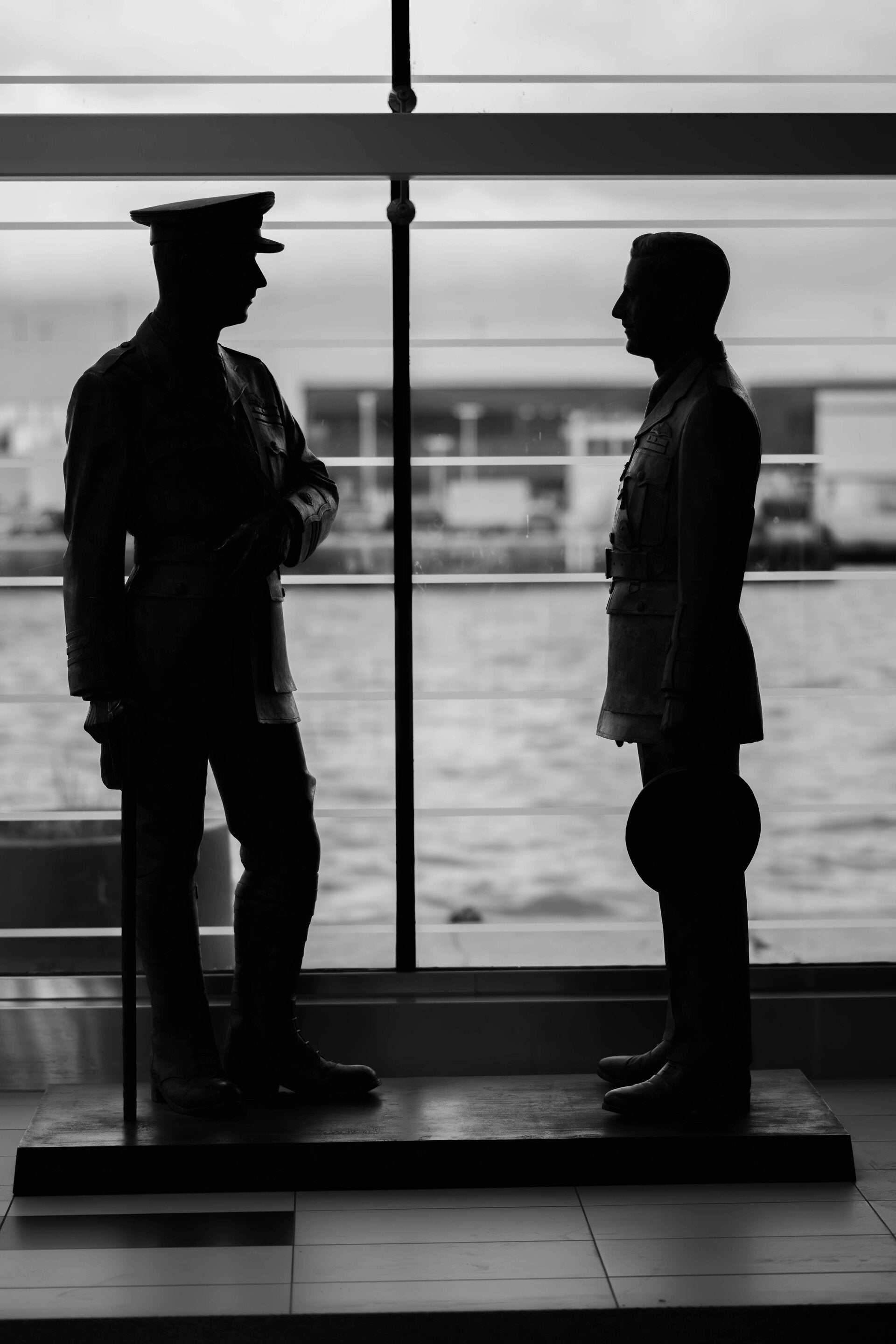
Personal perspective: Service, health, and silence
Watching my father live with the consequences of military service—and seeing other veterans struggle to be heard—clarifies one truth:
Silence does not equal safety.
Silence often equals abandonment.
Honoring service means addressing consequences, not hiding them.

What veterans are asking for (as reported)
Area 51 veterans and their advocates have consistently called for:
- medical acknowledgment of exposure risks
- special review processes for classified service
- independent health studies
- transparency compatible with national security
These requests are not radical. They are administrative and ethical.

VMAG series: Area 51 veterans
This page is part of an ongoing VMAG series that will include:
- documented media coverage summaries
- veteran testimony (with consent)
- family military histories
- policy analysis on classified exposure
- links to official statements and hearings
Each update will be:
- time-stamped
- sourced
- corrected publicly if needed
Closing note
This is not a story about UFOs or speculation.
It is a story about veterans, health, and accountability.
If the United States can ask for secrecy in service, it must also provide care in silence—without forcing veterans to prove what they are forbidden to say.
Join the conversation
We invite you to engage with this important topic. Your support helps us amplify the voices of those who served.