This video features an interview with Greg Stoker, a former US Ranger and Afghanistan war veteran currently running for Congress in Texas. Stoker, who describes himself as nonpartisan, discusses his anti-war platform, his experiences with activism, and his critical views on US foreign policy.
Key Topics Discussed:
- Critique of the Military-Industrial Complex (2:00 - 3:15): Stoker argues that current interventionist wars enrich a small percentage of defense contractors while degrading the US military. He specifically mentions concerns regarding the F-35 project and claims that Israel has engaged in espionage to reverse-engineer US technology.
- Foreign Policy and Iran (11:48 - 26:36): Stoker asserts that American obsession with Iran is nonsensical and driven by imperial interests. He critiques the history of US involvement in Iran, including the 1953 coup, and warns that current escalation risks nuclear conflict without achieving any clear strategic objectives.
- The "Imperial Boomerang" (34:30 - 40:30): Stoker explains this concept, suggesting that technologies and tactics used to repress people in the periphery—such as in Palestine—eventually return to the US to be used against American citizens via militarized policing and predictive AI surveillance.
- Gaza Flotilla Experience (40:35 - 43:10): Stoker recounts his recent detention by the Israeli military while attempting to deliver aid to Gaza, noting the harsh treatment of detainees and criticizing the lack of support from the US State Department.
- Domestic Politics and "Bread and Circuses" (28:00 - 32:00): Stoker argues that both major US political parties are beholden to the same corporate interests and that culture war distractions, such as Super Bowl halftime shows, are used to keep the public from focusing on systemic issues like war, income inequality, and the erosion of civil liberties.
This video features an interview with David Cay Johnston, a Pulitzer Prize-winning investigative journalist and author of the book The Making of Donald Trump. Johnston, who has covered Donald Trump since the 1980s, discusses various aspects of Trump's career and business practices.
Key themes from the interview include:
- Lack of expertise: Johnston argues that Trump lacks deep knowledge on critical topics, citing his performance during debates (e.g., the nuclear triad discussion) as evidence (1:20-3:55).
- Connections to organized crime: Johnston details Trump's historical ties to mobsters, con artists, and drug traffickers, including the case of Joseph Wexelbaum (4:08-6:43).
- Family background: The discussion covers the history of Trump's grandfather, Friederich, and his father, Fred Trump, highlighting their business ethics, property development practices, and history of discrimination (7:38-9:50).
- Business conduct: Johnston describes instances where Trump allegedly exploited others, such as cutting off healthcare for a sick grand-nephew during a legal dispute (10:07-11:06).
- Financial transparency: The author explains his analysis of Trump's tax history, suggesting that Trump has long used aggressive tax strategies and has been evasive about his actual wealth (11:31-14:09).
- Regulatory manipulation: Johnston discusses how Trump managed to obtain casino licenses in New Jersey despite ongoing legal issues and withheld information from the Division of Gaming Enforcement (14:11-15:25).
- Religion and public persona: Johnston criticizes Trump's claims of being a devout Christian, noting a disconnect between his public rhetoric and his personal behavior (17:08-18:05).


Government, Epstein, and Organized Crime: What Records and Reporting Show
Overview
This page summarizes documented reporting, historical context, and public records related to:
-
Jeffrey Epstein
-
Donald Barr and William Barr
-
U.S. intelligence history and organized crime
-
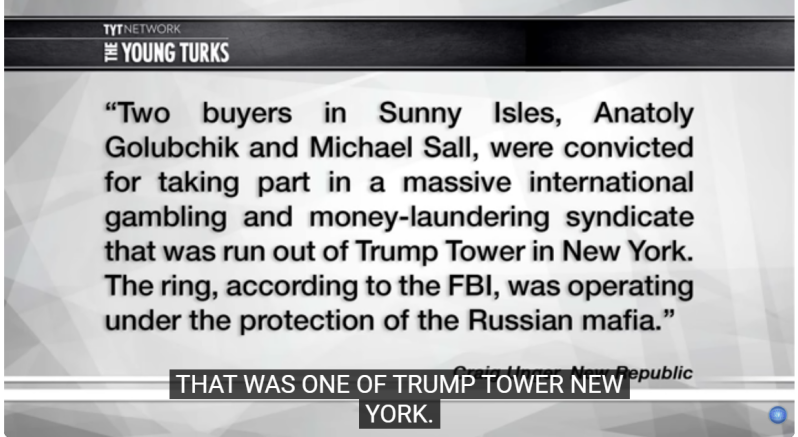
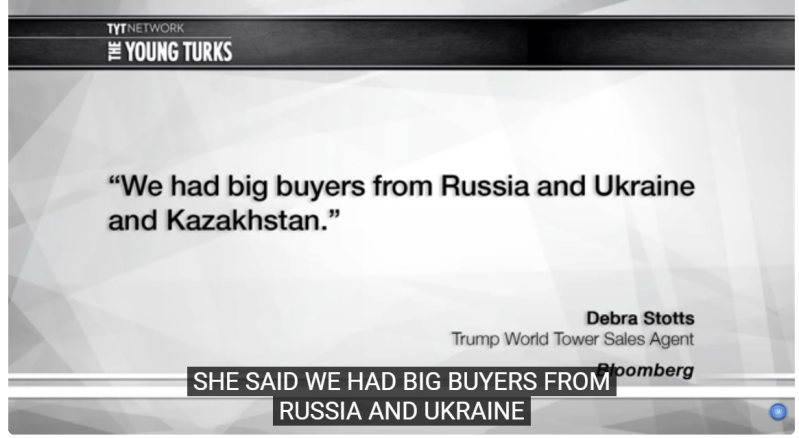
Reporting on Donald Trump’s business relationships
This content is fact-based, sourced, and does not make unproven criminal allegations.
Jeffrey Epstein and Institutional Connections
Jeffrey Epstein was a financier later convicted of sex offenses and investigated for trafficking.
Public reporting and released records show that Epstein had contacts across elite financial, academic, and political circles, though:
Appearance in records or associations does not imply criminal wrongdoing.
Donald Barr and Epstein
Who was Donald Barr?
-
Headmaster of the Dalton School in New York
-
Former OSS (precursor to CIA) connections reported in biographies
Reported Connection:
-
Donald Barr reportedly hired Jeffrey Epstein as a teacher in the 1970s despite Epstein lacking a college degree
Important context:
-
This hiring occurred decades before Epstein’s criminal cases
-
No evidence shows Donald Barr was involved in Epstein’s later crimes
William Barr (Former U.S. Attorney General)
Key facts:
-
Son of Donald Barr
-
Served as U.S. Attorney General under:
-
George H.W. Bush
-
Donald Trump
-
Epstein-related context:
-
Oversaw DOJ during Epstein’s 2019 federal case
-
Epstein died in federal custody during this period
Important:
-
Multiple investigations found serious failures in jail management, but:
-
No verified evidence that William Barr was involved in Epstein’s crimes
CIA and Organized Crime (Historical Context)
There is documented history of U.S. intelligence agencies interacting with organized crime during the Cold War.
Examples (declassified / widely reported):
-
CIA–Mafia collaboration attempts against Fidel Castro (1960s)
-
Use of criminal networks in covert operations
Important distinction:
-
These were specific Cold War operations, not ongoing policy
-
Does NOT prove connection to Epstein
Donald Trump and Organized Crime Reporting
Source: BBC Newsnight investigation (John Sweeney)
Transcript provided
Key reporting claims:
1. Concrete supply in New York
-
Trump used concrete supplied in a market reportedly influenced by organized crime figures
-
Specifically:
-
Anthony “Fat Tony” Salerno (Genovese crime family)
-
Context:
The concrete industry in NYC at the time was widely reported to be controlled by mob-linked unions and suppliers.
2. Shared lawyer
-
Trump and Salerno both used attorney Roy Cohn
3. Felix Sater (Bayrock Group)
-
Business associate involved in Trump-branded developments
-
Past included:
-
Conviction for assault
-
Involvement in stock fraud case
-
Later became FBI informant
-
BBC transcript notes:
-
Sater worked on Trump-linked projects
-
Trump stated he had limited knowledge of Sater’s background
Important context and balance
-
Trump has denied knowingly working with organized crime figures
-
Many NYC developers at the time operated in industries with mob influence
-
No court has found Trump guilty of participating in organized crime activity
Key Distinction: Association vs. Criminal Conduct
Across all topics on this page:
Being mentioned, connected, or associated does NOT mean:
-
Criminal activity
-
Participation in wrongdoing
-
Knowledge of illegal acts
What This Means for Transparency
These topics highlight broader concerns:
-
Elite networks and access
-
Government oversight failures
-
Transparency gaps
-
Public trust in institutions
Motta 2028 Position
Robert R. Motta supports:
-
Full transparency of government records
-
Whistleblower protections
-
Equal application of the law
-
Accountability without political targeting
Sources & Credits
-
BBC Newsnight (John Sweeney reporting)
-
Public DOJ records
-
Declassified CIA historical documents
-
Major journalism outlets (BBC, Reuters, NYT, etc.)
Disclaimer
This page presents public reporting and historical context only.
It does not accuse any individual of criminal wrongdoing unless established by verified legal findings.